Advertisement
Regulation & Policy
Federal Reserve Governor Christopher Waller says stablecoins and tokenized deposits can reshape financial markets, but established payment infrastructure and central bank money will remain essential to settlement and trust.
Share
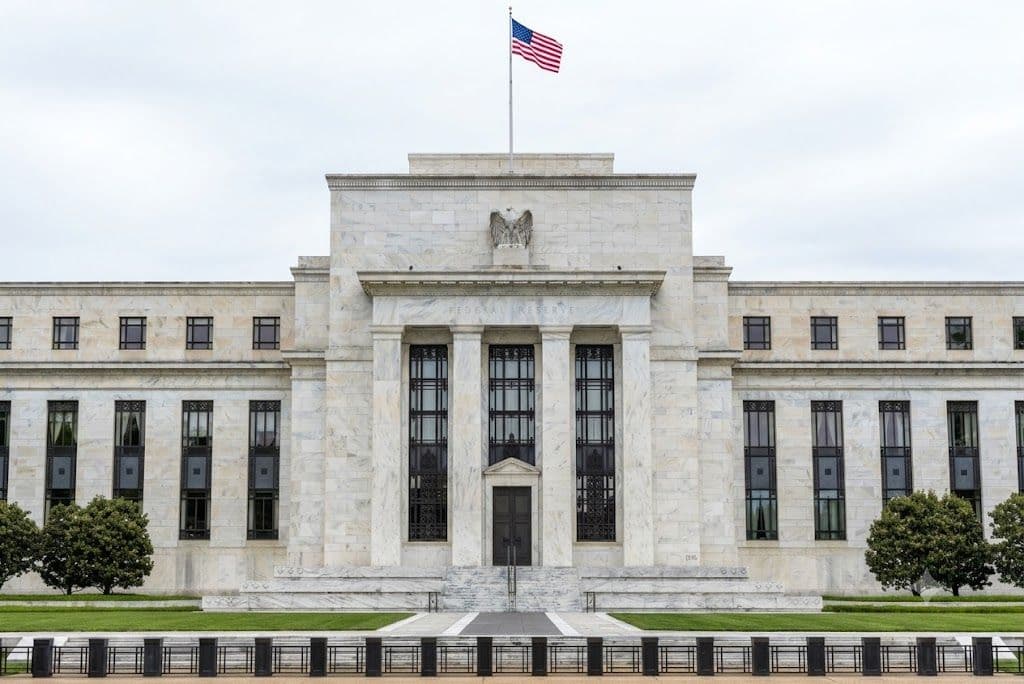
Federal Reserve Governor Christopher Waller stated on November 17 that stablecoins, tokenized deposits, and blockchain-based payments will coexist with traditional payment rails and central bank money rather than replace them, framing the Fed as an infrastructure partner to private-sector innovation.
The expansion of tokenized financial assets is creating new ways to trade and transfer value, but the infrastructure supporting those transactions may remain firmly connected to traditional banking systems.
Federal Reserve Governor Christopher Waller said on November 17 that stablecoins, tokenized deposits and blockchain-based payment solutions are likely to coexist with established payment networks, rather than replace them. His remarks reflect the Federal Reserve’s view that financial innovation can reshape how markets operate while continuing to rely on the settlement infrastructure that underpins the existing monetary system.
Speaking at The Clearing House Annual Conference in New York, Waller said traditional payment rails and the money exchanged through them would continue to support trust across the financial system. He added that central bank money does not need to be used in every transaction or on every platform, but its presence at the foundation of the system remains essential.
Waller described blockchain technology as a new source of competition for established financial institutions. Open blockchain networks operate around the clock, while publicly accessible smart-contract infrastructure allows new providers to develop payment and financial services without building an entire network from scratch.
Banks and established payment providers are responding through different approaches, including developing proprietary blockchains, forming industry consortia and partnering with blockchain companies.
Rather than expecting one model to dominate, Waller said several solutions are likely to emerge to serve different customers and transaction types. Stablecoins, tokenized bank deposits and tokenized money market funds could each find a role in the developing financial ecosystem.
The shift is already visible in institutional initiatives. Swift’s blockchain-based ledger for tokenized deposits is designed to support continuous cross-border payment coordination while retaining connections to existing banking and settlement systems. Meanwhile, DBS and Kinexys have introduced 24/7 cross-border tokenized deposit transfers, illustrating how banks are bringing blockchain-based money movement into established financial operations.
Waller’s remarks also highlighted the governance and legal questions that could determine whether tokenized financial services gain wider institutional acceptance.
He raised concerns about responsibility when smart contracts execute fraudulent transactions, private keys are compromised, transfers are made incorrectly or assets become stranded on blockchain networks that cease to function. He referred to these inactive networks as “zombie chains.”
The recent Binance security incident, he noted, illustrates some of the risks associated with programmable blockchain systems.
For institutional investors and financial firms, these issues extend beyond cybersecurity. Tokenized assets must retain clear legal ownership, economic rights, compliance obligations and access to liquidity when transferred between networks.
Waller said the legal treatment of tokenized claims, settlement records, custody, insolvency and resolution would be critical to mainstream institutional adoption.
The emphasis on legal certainty is particularly relevant as regulators and market participants explore how blockchain-based securities can operate within existing capital-market frameworks. The CFTC’s push for broader tokenization of financial markets reflects the growing focus on integrating digital assets into established clearing, collateral and settlement processes.
One of Waller’s central points concerned how payments should be completed when financial assets move onto blockchain networks.
Tokenized money can enable programmable settlement, allowing an asset and its payment to change hands simultaneously. For example, an investor purchasing a tokenized share on a Saturday could potentially transfer the share and payment in one coordinated transaction, avoiding delays associated with conventional market operating hours.
However, Waller cautioned against treating atomic settlement as the only model for tokenized markets. Net settlement and batch settlement can remain more efficient in high-volume capital markets, particularly when institutions need to manage liquidity and avoid funding every transaction individually.
He also noted that different forms of tokenized money could serve different purposes. Stablecoins may be suited to international business payments, while tokenized deposits or other settlement instruments could be better suited to certain securities transactions.
Traditional payment systems would continue to provide a reliable foundation for final settlement, including through their connections to central bank money. They already play a role in moving funds into and out of stablecoin systems and settling tokenized deposit transactions.
Waller said the Federal Reserve would continue supporting responsible innovation by engaging with financial institutions and technology providers, providing core payment and settlement infrastructure, and monitoring risks to financial stability.
Where market forces cannot resolve an important challenge within its mandate, the central bank could also act as a connector and convener for the industry.
The remarks do not suggest that the Fed intends to replace private-sector payment innovation with a central bank-led digital asset system. Instead, they outline a model in which private firms develop new financial products while established infrastructure continues to support settlement and confidence.
For the tokenization industry, this distinction is important. The long-term development of digital financial markets may depend less on creating entirely separate payment networks and more on making blockchain platforms, tokenized money and existing banking systems work together.
As banks, payment providers and asset managers expand their blockchain initiatives, interoperability with established financial infrastructure could become as important as the speed and programmability of onchain transactions.

Disclaimer of Warranty
The information provided in this article is for general informational purposes only. We make no warranties about the completeness, reliability, and accuracy of this information. Read full disclaimer

Editor's Picks
In the Same Space
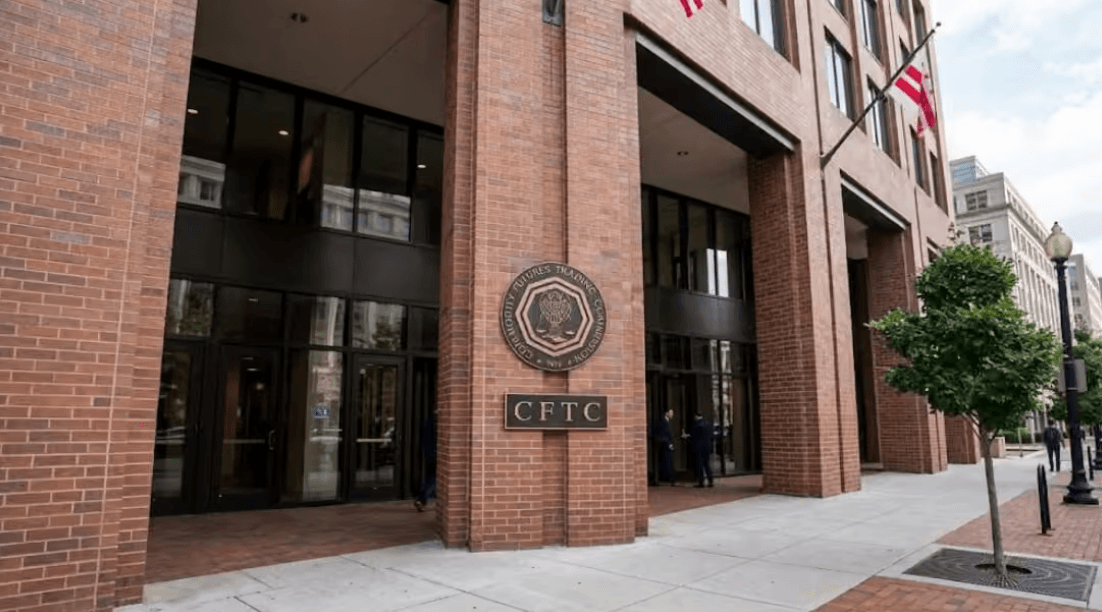
CFTC Opens US Derivatives Markets to Blockchain-Native Infrastructure

News Desk

Nov 17, 2026

4 min

US Supreme Court Leaves Federal Reserve With Discretion Over Crypto Bank Access
News Desk
Nov 17, 2026
4 min

Licensed, Then What? Dubai’s VASP Commercial Reality
Walid Abou Zaki
Nov 18, 2026
6 min
US Nominates Four Officials to SEC and CFTC With Crypto Policy Experience
News Desk
Nov 13, 2026
4 min