Advertisement
Regulation & Policy
Share
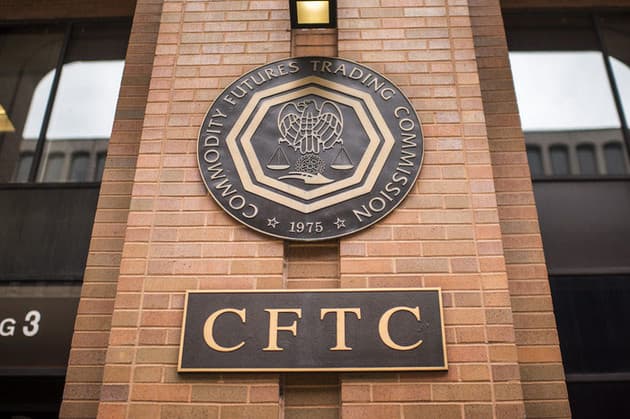
The White House nominated four bipartisan candidates — Nathan Anonick and Matthew Rowland for the CFTC, and Kristin N. Johnson and Steven Levine for the SEC, all with experience in digital asset regulation or legislation. This marks the first such nominations in roughly a year.
The White House has put forward four nominees to fill vacant positions at the US Securities and Exchange Commission (SEC) and the Commodity Futures Trading Commission (CFTC), marking the first round of nominations to the two regulatory agencies in approximately a year.
The nominations, announced through a White House submission to the Senate, include Nathan Anonick of Virginia and Matthew Rowland of the District of Columbia for CFTC commissioner positions. Kristin N. Johnson of Michigan and Steven Levine of Maryland have been selected for roles at the SEC.
The appointments reflect a bipartisan lineup, with Anonick and Levine representing the Republican Party, while Johnson and Rowland are Democrats. Their nominations will now move through the Senate confirmation process, with the Agriculture Committee overseeing the CFTC candidates and the Banking Committee reviewing those proposed for the SEC.
The candidates bring experience in financial regulation, digital assets and legislative policymaking, including involvement in efforts to establish a regulatory framework for the crypto industry.
Nathan Anonick currently works as legislative counsel to Senator John Boozman, chairman of the Senate Agriculture Committee. He also played a leading negotiating role in developing the committee's section of the Digital Asset Market Clarity Act, legislation intended to establish clearer regulatory responsibilities for digital asset markets.
Matthew Rowland is a CFTC attorney who has been assigned to work with the Senate Agriculture Committee. His previous work includes contributions to the Clarity Act and the committee's 2024 crypto legislation, giving him direct experience with congressional efforts to shape digital asset regulation.
On the Democratic side, Kristin N. Johnson previously served as a CFTC commissioner, where her work covered digital assets, risk management and market integrity. She has also addressed regulatory questions surrounding crypto custody, decentralized finance (DeFi) and artificial intelligence, highlighting the need for clearer oversight as financial technologies evolve.
Steven Levine, meanwhile, most recently held the positions of general counsel and senior adviser at the White House Council of Economic Advisers. His earlier experience includes serving at the SEC as counsel and deputy chief of staff to Commissioner Mark Uyeda.
Levine's nomination would place him in the position currently held by Hester Peirce, one of the SEC's most prominent voices advocating for a more accommodating regulatory approach to the crypto industry.
Peirce led the agency's Crypto Task Force and contributed to Chairman Paul Atkins' Project Crypto, an initiative aimed at updating securities regulations to account for digital asset innovation and support the administration's ambition to establish the US as a global crypto hub.
Her potential departure comes as the SEC continues to reconsider how existing securities rules should apply to digital assets, making the selection of her successor particularly relevant to the industry's regulatory outlook.
The proposed appointments have received a positive response from industry representatives.
Ji Kim, chief executive of the Crypto Council for Innovation, congratulated the four nominees in a post on X, emphasizing the importance of bipartisan participation in shaping a consistent regulatory framework.
Kim noted that both the SEC and CFTC have significant responsibilities within US financial markets, adding that the nominees' combined experience could help preserve the country's leadership in financial innovation.
He also stressed that effective regulation should balance market stability and consumer protection with the need to create an environment where innovation can continue to develop.
The four nominations come at a consequential time for the US digital asset sector, as lawmakers and regulators continue working toward a clearer division of responsibilities between the SEC and CFTC.
The Senate confirmation process will determine when the candidates can formally take up their positions and participate in shaping the agencies' future regulatory priorities.
The significance of these nominations extends beyond filling four vacant seats. The combination of legislative experience, regulatory expertise and previous involvement in crypto policymaking suggests that digital assets will remain an important consideration for both agencies. In particular, the potential transition at the SEC could influence the direction of Project Crypto and the regulatory approach developed under Peirce's leadership.
However, bipartisan representation alone does not guarantee agreement on how digital assets should be classified or supervised. The more important test will be whether the new commissioners can help translate ongoing legislative discussions into consistent rules, clarify the boundaries between SEC and CFTC authority, and provide businesses with greater regulatory certainty without restricting innovation.

Disclaimer of Warranty
The information provided in this article is for general informational purposes only. We make no warranties about the completeness, reliability, and accuracy of this information. Read full disclaimer

Editor's Picks
In the Same Space

Hyperliquid Strategies Seeks US License to Offer Regulated Perpetual Futures

News Desk

Nov 6, 2026

5 min

VARA and Mastercard Partner to Support the Future of Digital Assets in Dubai
News Desk
Nov 10, 2026
3 min

Wall Street Goes On-Chain: Justin Sun Brings 20 U.S. Assets to HTX, Declines to Discuss Previous SEC Case
News Desk
Nov 9, 2026
5 min

Coinbase Takes Crypto Custody Under the Federal Banking Umbrella, Secures Rare Approval
News Desk
Nov 9, 2026
4 min