Advertisement
Tokenization & RWA
Michael Selig points to tokenized collateral, stablecoins and onchain finance as key components of the next generation of U.S. financial-market infrastructure.
Share
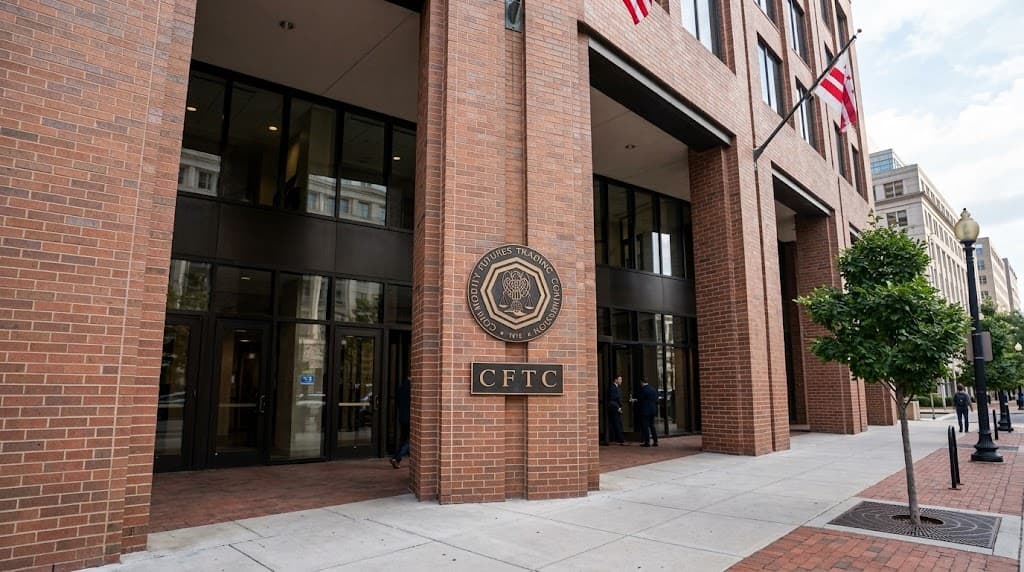
CFTC Chairman Michael Selig called for U.S. financial markets to prepare for 'mass tokenization,' citing tokenized collateral, stablecoins, and onchain finance as technologies that could reshape market infrastructure over the coming decade.
Commodity Futures Trading Commission (CFTC) Chairman Michael Selig said U.S. financial markets need to prepare for “mass tokenization,” highlighting tokenized real-world assets, stablecoins and onchain finance as technologies that could reshape market infrastructure.
Speaking at the 2026 U.S. Treasury Market Conference on September 22, Selig said regulators need to prepare markets for blockchain-based finance rather than simply modernizing existing systems. He pointed to tokenization, onchain finance and 24/7 markets as developments that could bring significant changes to financial markets over the coming decade.
Selig highlighted the tokenization of real-world assets as one of the most important developments, particularly when tokenized assets are used as collateral.
He said high-quality tokenized collateral could make liquidity more dynamic and markets more resilient by enabling near-instantaneous settlement and real-time collateral mobility between clearinghouses, intermediaries and end users.
The approach moves tokenization beyond simply representing securities or other assets on a blockchain. It also focuses on how those assets can move through financial markets and be used in processes such as collateral management and settlement.
The CFTC has already established a framework for tokenized collateral. Its guidance defines tokenized assets as digital representations of real-world assets, including U.S. Treasury securities, agency securities, corporate bonds, money-market fund shares and equities, recorded on a blockchain.
Selig also identified stablecoins as an important component of the CFTC’s approach to tokenized markets.
The agency expanded its list of eligible tokenized collateral earlier this year to include certain payment stablecoins issued by national trust banks. Selig said the CFTC will look for additional ways to encourage responsible stablecoin adoption among market participants, exchanges and clearinghouses.
This places stablecoins within a broader institutional use case: not only as payment instruments, but also as potential components of collateral and settlement infrastructure for regulated markets.
The CFTC has previously described collateral management as an important potential use case for stablecoins and tokenized assets. Its work on tokenized collateral has focused on improving the movement of collateral and reducing operational frictions in derivatives markets.
Selig's remarks also point to a broader shift in how blockchain could be incorporated into financial markets.
Rather than creating a separate system for digital assets, the CFTC is looking at how existing markets can accommodate blockchain-based infrastructure. Selig said the agency is committed to developing principles-based rules for tokenization and onchain finance, with the stated objective of making U.S. markets more efficient, resilient and competitive.
That could eventually allow tokenized assets to participate more directly in established financial-market processes, including clearing, settlement and collateral management.
The CFTC has already been working on regulatory guidance for tokenized collateral, including stablecoins, as part of a broader effort to integrate blockchain technology into derivatives-market infrastructure.
The CFTC is also examining the implications of markets that operate around the clock.
Selig said the agency has seen increased interest in continuous and 24/7 trading as trading platforms, connectivity and settlement technologies develop. The CFTC has been considering how continuous trading could apply to different derivatives markets rather than assuming that every asset class should operate on a 24/7 basis.
For tokenized markets, the development is significant because blockchain-based settlement can potentially operate continuously, while traditional financial infrastructure often remains tied to banking and market operating hours.
Selig's comments come as U.S. financial regulators expand their work on blockchain-based market infrastructure.
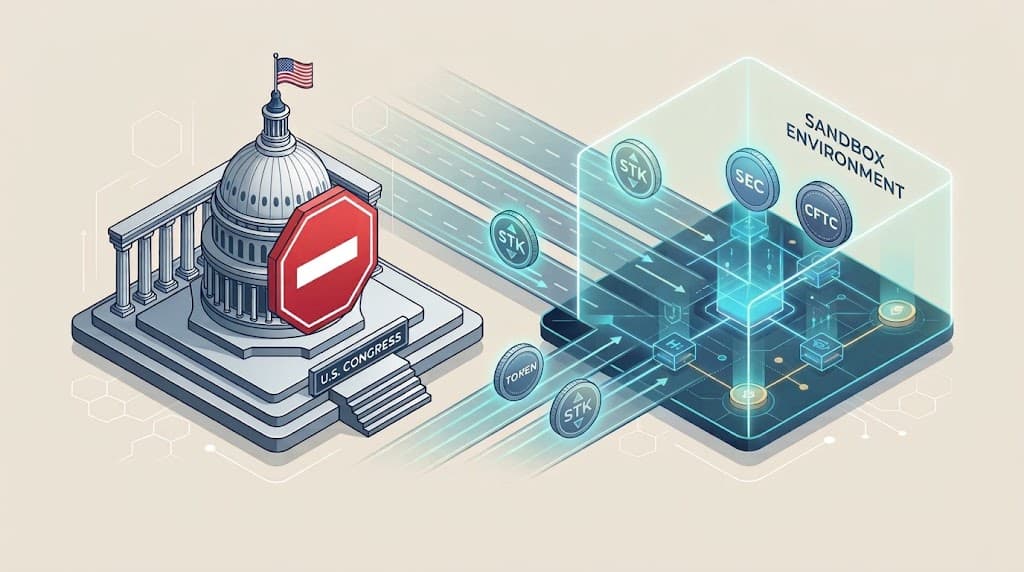
The Securities and Exchange Commission (SEC) recently introduced an innovation exemption designed to facilitate certain forms of onchain trading of tokenized securities, while the CFTC has been developing its own framework for tokenized collateral and blockchain-based market infrastructure.
Together, the developments point to a regulatory focus that extends beyond cryptocurrencies themselves toward the use of blockchain technology across traditional financial markets.
The CFTC's latest remarks therefore place tokenized assets, stablecoins and onchain settlement within the same emerging market-infrastructure framework—with collateral mobility and settlement efficiency among the practical applications regulators are now examining.

Disclaimer of Warranty
The information provided in this article is for general informational purposes only. We make no warranties about the completeness, reliability, and accuracy of this information. Read full disclaimer

Editor's Picks
In the Same Space

UK Weighs Exemption for Tokenized Gold as London Pushes Into Digital Markets

News Desk

Sep 14, 2026

6 min
Why Are Apple and Google Recruiting for Blockchain and Stablecoin Roles?
News Desk
Sep 21, 2026
7 min

Where Do the Dollars Behind the UAE’s Crypto Economy Sit?
Anna K.
Sep 21, 2026
9 min
UAE Stablecoin Market Expands as Digital Dirham Enters Next Phase
News Desk
Sep 18, 2026
7 min