Advertisement
Tokenization Infrastructure
Share
Moody's and Chainlink completed a testnet pilot using CCIP to distribute credit-rating data simultaneously across multiple permissioned and permissionless blockchains, testing infrastructure for tokenized financial markets.
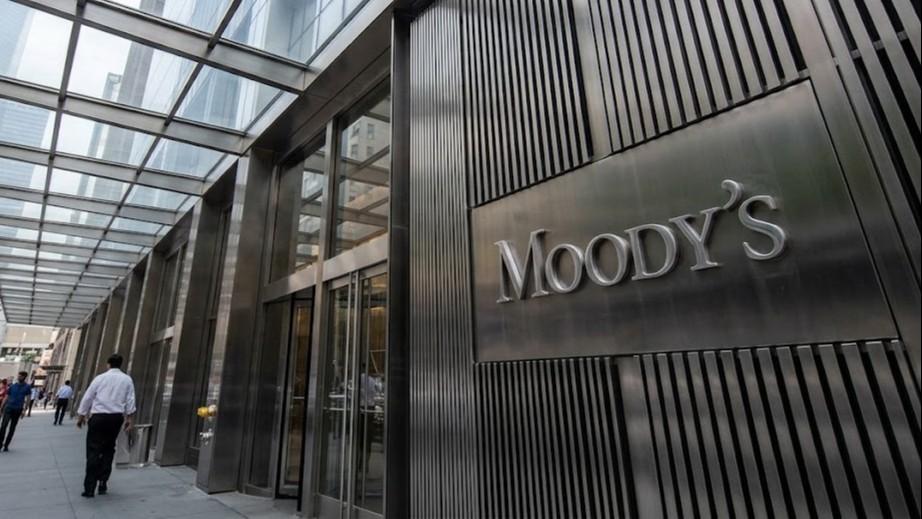
Moody's Ratings and Chainlink have completed a pilot demonstrating how credit-rating information can be distributed simultaneously across multiple blockchain networks, addressing the need for financial data to remain accessible as traditional assets move into tokenized markets.
The test used Chainlink's Cross-Chain Interoperability Protocol (CCIP) to connect Moody's Ratings Token Integration Engine (TIE) with multiple blockchain networks, including both permissioned and permissionless environments.
The November 10 announcement marks a step toward making credit assessments available across different blockchain ecosystems without requiring investors and institutions to rely on separate information systems for each network.
The pilot also explored how credit information could follow tokenized assets through their lifecycle, including future rating updates, while preserving Moody's existing publication and governance processes.
The pilot connected Moody's Ratings Token Integration Engine with Chainlink's CCIP, which enables the transfer of data and tokens between different blockchain networks.
TIE is designed to make credit ratings and related information available within blockchain-based financial environments, allowing market participants to access credit intelligence associated with tokenized assets.
Through the pilot, the companies demonstrated how the system could distribute credit information simultaneously across multiple permissioned and permissionless networks rather than requiring separate integrations for each blockchain.
The approach is intended to address a growing infrastructure requirement as tokenized financial products are issued across different networks. Without interoperable data systems, credit assessments and other relevant financial information may remain fragmented across blockchain environments.
The pilot also explored how future rating updates could be distributed through the same infrastructure while maintaining the controls governing Moody's rating publication process.
However, the demonstration took place in a testnet environment using representative data. No actual credit ratings or rating actions were published onchain, and no live rating dissemination was involved. The companies did not disclose the participating blockchain networks or announce a commercial deployment date.
The initiative addresses a broader challenge facing institutional tokenization: ensuring that essential financial information remains accessible alongside assets represented on blockchain networks.
Credit ratings influence how institutional investors assess the creditworthiness of issuers and financial instruments, determine risk exposure and make investment decisions.
As bonds, funds and other financial products move onto blockchain infrastructure, market participants will need access to the same credit information regardless of where those assets are issued, held or transferred.
"Credit ratings help institutions decide where to allocate capital and how they price risk. As more financial assets move onchain, credit intelligence has to move with them, across chains and through every rating change," said Johann Eid, chief business officer at Chainlink Labs.
Fabian Astic, global head of digital economy at Moody's Ratings, said the future of tokenized finance would likely involve multiple blockchain networks and market infrastructures rather than a single ecosystem.
The pilot explored how interoperability could make credit assessments available across these environments while preserving the governance and publication procedures underpinning Moody's analytical opinions.
Moody's said it had rated or assessed more than 70 digital issuances between January 2017 and October 2026, including digital bonds and tokenized funds.
The latest pilot builds on Moody's earlier efforts to bring its credit information onto blockchain infrastructure.
In March 2026, Moody's introduced its Token Integration Engine on the Canton Network, an institutional blockchain designed for financial markets. The initiative allowed participating issuers to make credit information available within tokenized financial environments while retaining Moody's control over its ratings.
In June, the ratings agency extended the system to Solana through a collaboration with Alphaledger, enabling issuers of tokenized fixed-income securities on the platform to make their Moody's ratings available onchain.
The Chainlink pilot extends this approach by testing simultaneous distribution across multiple networks through a common interoperability layer.
The development comes as traditional financial institutions continue expanding their tokenization initiatives. As Unlock Blockchain previously reported, Morgan Stanley has begun tokenizing US equities and Treasury securities through DTCC's new infrastructure, illustrating how established financial market participants are moving blockchain-based assets into institutional operations.
Other market participants are also testing transactions involving tokenized securities across different blockchain environments. In August, Unlock Blockchain covered how Wall Street firms moved beyond blockchain testing with live tokenized securities transactions, involving financial institutions and infrastructure providers including Chainlink.
The pilot also adds to Chainlink's work connecting blockchain networks with traditional financial infrastructure.
Through CCIP, the company provides cross-chain messaging and interoperability capabilities that allow data and assets to move between different blockchain environments.
Its institutional initiatives have included collaborations with Swift and UBS Asset Management to explore blockchain-based settlement for tokenized funds.
In that earlier initiative, Chainlink and UBS leveraged Swift's network in a tokenized fund settlement trial, examining how existing financial messaging infrastructure could connect with blockchain-based transactions.
The Moody's pilot applies cross-chain infrastructure to another component of financial markets: the distribution of credit information.
While the latest demonstration does not yet establish a live ratings distribution service, it illustrates how interoperability infrastructure could help maintain access to financial data as tokenized assets move across different networks.
For institutional tokenization, the challenge increasingly extends beyond representing traditional assets onchain to ensuring that the information, assessments and controls associated with those assets can operate across blockchain ecosystems.

Disclaimer of Warranty
The information provided in this article is for general informational purposes only. We make no warranties about the completeness, reliability, and accuracy of this information. Read full disclaimer

Editor's Picks

Binance After the $6.3B Hack: A Turning Point for the Exchange

Walid Abou Zaki

Nov 2, 2026

10 min
“One Financial System”: What OKX’s New Investors Are Backing
Walid Abou Zaki
Oct 8, 2026
6 min

When Assets Move—or Stop—Without Consent: The Limits of Crypto Wallet Control
Walid Abou Zaki
Sep 29, 2026
6 min
Read More Articles

In the Same Space

Is ETH the Next Bitcoin? Vitalik Reopens the Store-of-Value Debate
News Desk
Nov 9, 2026
7 min

Wall Street Puts $270M Behind a New Stablecoin
News Desk
Nov 11, 2026
5 min

Monad Joins Visa's Push to Make Stablecoin Settlement Multi-Chain
News Desk
Nov 11, 2026
5 min

Commercial Bank of Dubai (CBD) Completes Wholesale Digital Dirham Transaction With Bank of China Through UAE's Jisr
Anna K.
Nov 10, 2026
3 min