Advertisement
Regulation & Policy
Share
In a recent Cointelegraph article, Kokila Alagh, Founder and CEO of KARM legal discusses how the UAE is regulating crypto, and digital assets . As per the article while many countries are inclined to simply ban the use of Bitcoin and digital assets, regulators in the United Arab Emirates are taking a different approach. UAE is continuously working on new regulations, frameworks, and guidance for crypto asset businesses.
Kokila Alagh, founder and CEO of Karm Legal Consultants, shared a brief overview of the regulatory situation in the country. According to Alagh, the SCA, the mainland regulator, provides certainty and opportunities for crypto and blockchain businesses, “The regulations provided certainty and have opened new opportunities in the UAE, which makes SCA a progressive regulator in the global landscape, as they haven’t ignored this vital growing sector and are continuously working on developing the frameworks to adjust as per these emerging sectors like DLT, blockchain.”
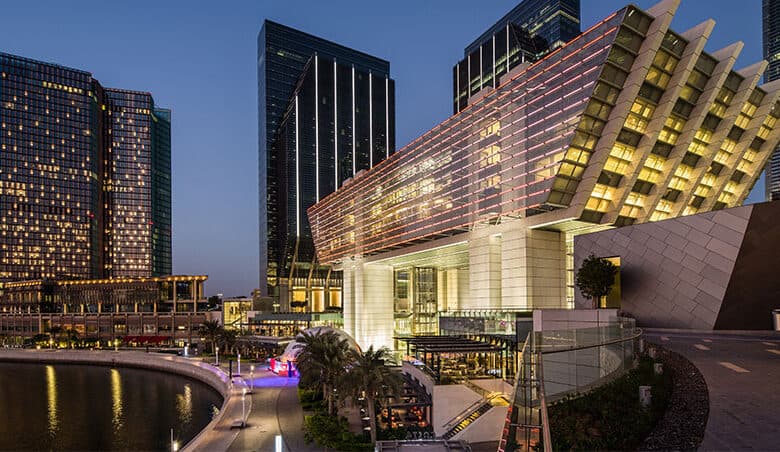
The FSRA, ADGM’s financial services regulator, was the first to introduce digital asset regulations in the country back in 2018. Alagh said that ADGM was also one of the first regulators globally to introduce digital securities regulations and guidance on digital assets, adding that ADGM is “one of the top-most jurisdictions for established blockchain companies.”
Alagh also discussed regulations in the DIFC. According to her, the DFSA, DIFC’s regulator, “is one of the first regulators from a major financial free zone to bring regulations in regard to security tokens.” Current DFSA regulations cover the tokenization of securities through blockchain and distributed ledger technology, including the tokenization of shares, derivatives, bonds, debentures, certificates or units of a fund. However, consultation papers for stablecoins, fungible cryptocurrencies and nonfungible tokens are still in the process of being drafted.
Lastly, Alagh noted DMCC. The free zone issued special licenses, such as the DLT technology service provider license and proprietary trading in crypto commodities license. It also has a crypto-dedicated center called Crypto Oasis, where more than 130 blockchain companies have registered. Alagh said that “the DMCC is one of the most advanced regulators in this space and has spearheaded the development of the crypto ecosystem in the UAE. The DMCC is a crypto-friendly regulator and provides companies with a friendly framework for setting up a business.”

Disclaimer of Warranty
The information provided in this article is for general informational purposes only. We make no warranties about the completeness, reliability, and accuracy of this information. Read full disclaimer

Editor's Picks
In the Same Space

CLARITY Stalled. U.S. Crypto Regulation Didn’t.

Salma Naueihed

Sep 18, 2026

7 min
Lunar Ark Secures VARA In-Principle Approval for Virtual Asset Brokerage
News Desk
Sep 17, 2026
2 min

House Committee Advances Digital Asset Tax Bill in 38-5 Vote
News Desk
Sep 17, 2026
4 min

U.S. Weighs Global Stablecoin Push as Issuers Near $200B in Treasury Holdings
News Desk
Sep 28, 2026
3 min