Advertisement
Stablecoins & Payments
Share
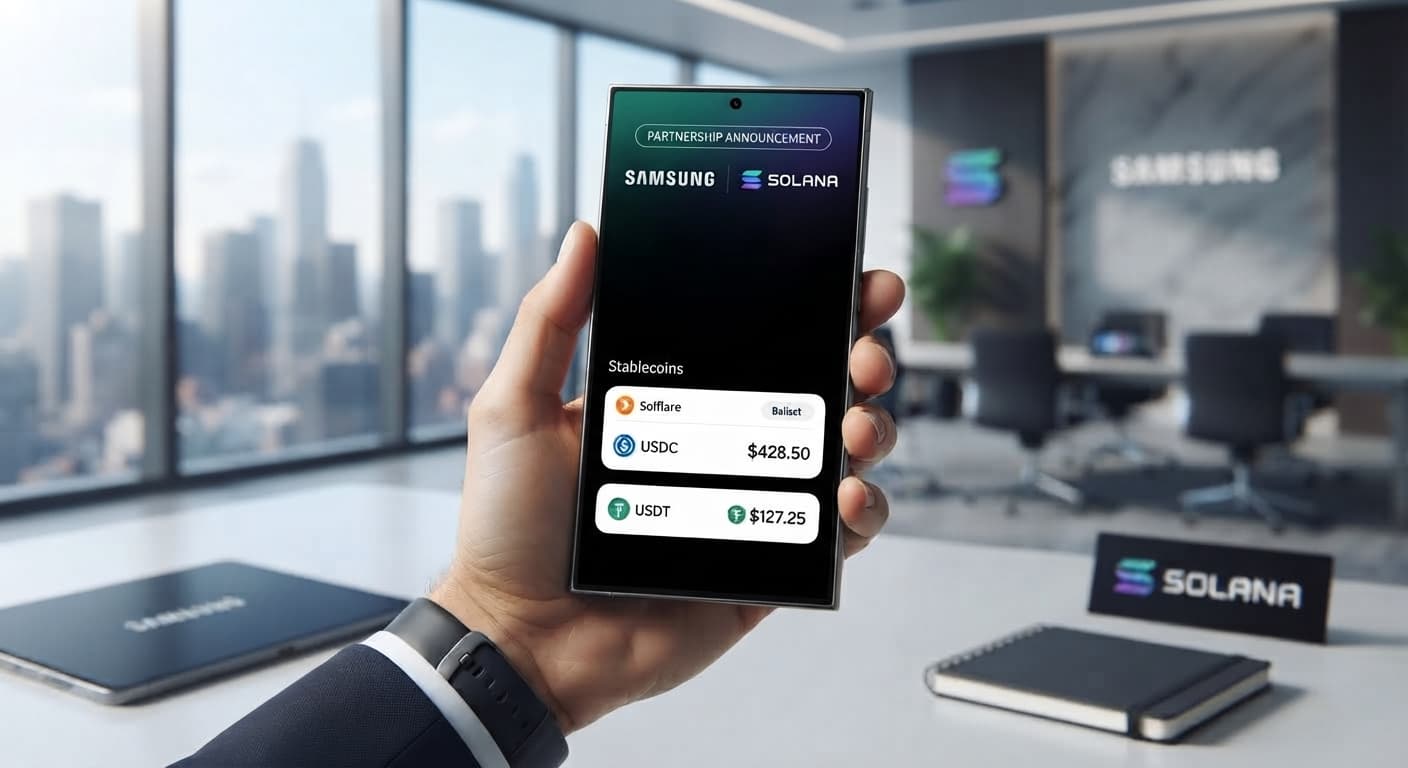
Samsung will embed USDC transfers into Samsung Wallet for 82 million eligible U.S. Galaxy devices in the last week of October, enabling cross-border stablecoin payments without a separate crypto app. The rollout, backed by Bastion, Coinbase Prime Vault, Solana, and Sui, positions stablecoins as a mainstream consumer payment tool rather than a standalone crypto product.
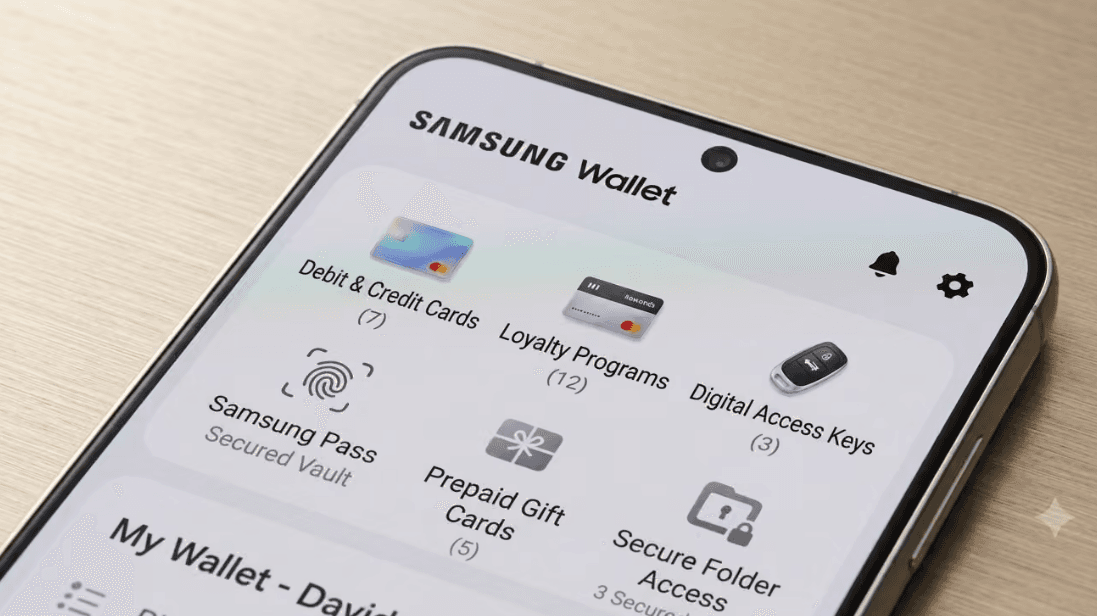
Samsung is bringing USDC stablecoin functionality directly into Samsung Wallet, giving eligible U.S. Galaxy users a way to send digital dollars without needing a separate crypto wallet or application.
The feature is scheduled to launch in the last week of October across 82 million eligible Galaxy devices in the United States, extending stablecoin access into an existing consumer payments platform.
The rollout will initially support USDC, with Samsung also planning to expand the functionality toward broader digital payments as the service develops.
The new functionality will initially support USDC, the U.S. dollar-denominated stablecoin issued by Circle.
Eligible Galaxy users will be able to send USDC directly from Samsung Wallet to compatible crypto wallets internationally. Samsung says these transfers will be available without a Samsung transfer fee, although recipient wallet providers or exchanges may charge their own fees.
The wallet will also support transfers to eligible bank accounts in more than 60 countries, with recipients potentially receiving funds in their local currency.
That takes the feature beyond simply holding or transferring a digital asset. Users can initiate an international transfer from an application they already use for everyday digital payments, while recipients in supported markets do not necessarily need to interact with a crypto wallet.
Samsung is therefore positioning stablecoins as a payment and transfer tool rather than as a standalone crypto product.
Samsung is working with multiple infrastructure partners for the new service, including Solana and Sui for blockchain network support.
The company has not limited the functionality to a single blockchain. Instead, the networks sit underneath a consumer-facing wallet experience where users may not need to know which blockchain processes a transaction.
The approach reflects a broader shift in which blockchain infrastructure is increasingly being embedded into financial products without requiring consumers to interact directly with the underlying technology.
Solana has already been moving into similar payment and settlement use cases.
In April, Singapore Gulf Bank enabled real-time stablecoin settlements via Solana, allowing corporate and high-net-worth clients to mint and redeem USDC directly through the bank’s infrastructure.
Visa has also expanded USDC stablecoin settlement for U.S. banks via Solana, bringing the network into the settlement infrastructure used by traditional financial institutions.
Samsung’s rollout extends that trajectory into the consumer market.
The service is being built through a combination of Samsung’s wallet infrastructure and specialized digital-asset providers.
Bastion will provide the stablecoin payment infrastructure, including custody and money-movement services. Bastion has partnered with Coinbase as its sub-custodian, with USDC held through Coinbase Prime Vault.
Samsung says compatible Galaxy devices will act as the secure gateway for transactions, with biometric authentication required on registered devices.
Samsung itself will not hold customer funds or act as a bank, money transmitter or digital-asset custodian. Those functions will be provided by regulated partners.
This structure allows Samsung to place stablecoin functionality inside its consumer ecosystem while relying on specialized providers for custody, compliance and movement of funds.
The development gives concrete form to Samsung’s earlier stablecoin plans.
In July, Unlock reported that Samsung Wallet was adding stablecoins in a push toward digital payments. The announcement positioned Samsung Wallet as a potential bridge between conventional payment functions and blockchain-based assets, but the timing and geographic scope of the rollout were still unclear.
The latest announcement answers both questions.
The initial launch will target eligible users in the U.S., with functionality arriving in the last week of October. Samsung says the feature will cover 82 million compatible Galaxy devices in the country.
The company also said future capabilities could allow eligible users to pay with stablecoins online or by tapping a compatible Galaxy device at participating stores. Expansion into additional markets will depend on regulatory developments.
The significance of Samsung's move lies in how stablecoin functionality is being distributed.
Until now, consumers seeking to use stablecoins have generally encountered them through dedicated crypto exchanges, wallets or financial applications. Samsung is placing the functionality inside an existing consumer technology ecosystem instead.
That changes the potential path to adoption. Users do not necessarily have to seek out a crypto service or learn how to manage a standalone wallet before interacting with a stablecoin.
The initial rollout also combines several functions that are relevant to everyday financial activity: digital-asset transfers, international payments and transfers to conventional bank accounts.
At 82 million eligible devices, Samsung's initial U.S. reach gives the service a potentially significant consumer distribution base from the outset.
For stablecoins, the development points toward a market in which access increasingly becomes embedded in products consumers already use. For Samsung, it creates another route for blockchain-based assets to become part of its broader digital payments ecosystem.

Disclaimer of Warranty
The information provided in this article is for general informational purposes only. We make no warranties about the completeness, reliability, and accuracy of this information. Read full disclaimer

Editor's Picks

When Assets Move—or Stop—Without Consent: The Limits of Crypto Wallet Control

Walid Abou Zaki

Sep 29, 2026

6 min

Where Do the Dollars Behind the UAE’s Crypto Economy Sit?
Anna K.
Sep 21, 2026
9 min

As U.S. Crypto Legislation Stalls, Circle Launches Its Own Financial Network
Walid Abou Zaki
Sep 16, 2026
9 min
Read More Articles

In the Same Space

MiCA Stablecoin Rules Face a Reality Check as Circle Calls for Change
Walid Abou Zaki
Oct 5, 2026
11 min

Swiss National Bank Warns of Stablecoin Risks to Monetary Policy and Interest Rates
News Desk
Oct 1, 2026
3 min
When Assets Move—or Stop—Without Consent: The Limits of Crypto Wallet Control
Walid Abou Zaki
Sep 29, 2026
6 min

EEMEA SMEs Turn to Crypto and Stablecoins as Digital Adoption Accelerates
News Desk
Sep 28, 2026
5 min