Advertisement
Tokenization & RWA
Share
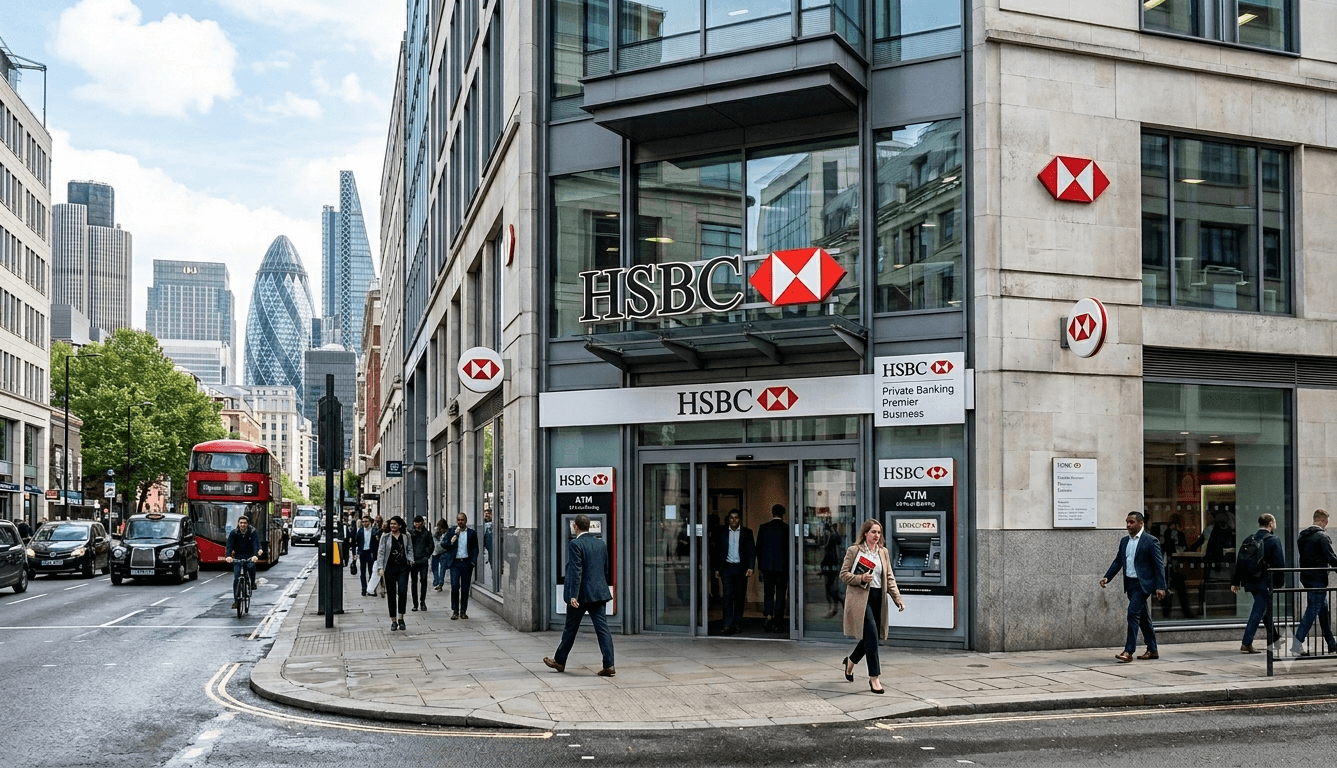
HSBC has officially introduced its Tokenised Deposit Service (TDS) in the United Arab Emirates, marking a major milestone in the evolution of digital banking. The rollout expands the bank’s digital money infrastructure, enabling faster, more efficient, and regulatory-compliant fund transfers across both domestic and international channels in a continuous, always-available system.
This initiative merges the reliability of traditional bank deposits with the efficiency of blockchain-powered systems, offering clients a modern financial solution that enhances transparency, speed, and automation in money movement.
With the introduction of TDS, eligible corporate clients can now move funds instantly at any time of the day, including weekends and holidays. Transfers can be executed between treasury centers and subsidiaries both within the UAE and across borders, without delays typically associated with traditional banking systems.
By leveraging tokenised deposit infrastructure, HSBC enables real-time settlement and improved liquidity control, supporting businesses that operate in fast-paced global markets.
Mohamed Al Marzooqi, Chief Executive Officer for HSBC UAE, highlighted that this launch represents a key advancement in the future of money movement. He emphasized that the UAE is exceptionally well positioned to lead in this transformation due to its progressive regulatory environment and the growing demand from corporations for advanced treasury and liquidity solutions.
The introduction of tokenised deposits in the UAE reflects both regulatory maturity and strong market readiness for next-generation financial infrastructure.
With this development, the UAE dirham becomes part of HSBC’s expanding tokenised deposit ecosystem, which already supports major currencies including the euro, US dollar, British pound, Hong Kong dollar, and Singapore dollar.
This integration enhances the UAE’s connectivity to global trade and investment flows, further strengthening its role as a financial bridge between the Gulf region and international markets.
Kyle Boag, Regional Head of Global Payments Solutions for HSBC MENAT, noted that businesses are increasingly demanding real-time, secure, and always-on liquidity management tools to stay competitive in a highly digital global economy.
He added that tokenised deposits represent a natural evolution of HSBC’s digital asset strategy, particularly in one of the world’s most dynamic and fast-growing financial hubs.
The new service introduces several operational and financial advantages for corporate clients, including:
Faster settlement within a tokenised deposit ecosystem.
24/7 availability for both domestic and international transactions.
Improved liquidity and working capital management across entities.
Full compatibility with existing banking and treasury systems.
Enhanced visibility of cash positions for real-time decision-making.
Reduced reliance on manual processes through automated settlement.
Expanded access to Gulf currency flows, including the UAE dirham.
These features are designed to streamline treasury operations and improve efficiency across global corporate structures.
The launch of TDS is part of HSBC’s wider strategy to develop an interoperable and open digital money layer that connects traditional financial infrastructure with emerging blockchain-based systems.
This approach supports multiple use cases, including real-time treasury management, settlement of tokenised assets, integration with regulated digital currencies, and bridging blockchain workflows with conventional payment rails.
The introduction of tokenised deposits in the UAE further reinforces the country’s growing status as a leading global hub for digital finance innovation. The UAE’s proactive regulatory framework, combined with strong institutional demand and rapid adoption of financial technology, positions it as a key gateway for the next phase of banking transformation.
What stands out is not only HSBC’s technological advancement but also the strategic choice of the UAE as a launch market. This reflects a broader shift in global finance, where emerging digital banking models are increasingly being tested and scaled in jurisdictions that offer both regulatory clarity and innovation-friendly ecosystems.
As tokenised financial systems continue to evolve, the UAE is likely to play a pivotal role in shaping how real-time, blockchain-enabled banking infrastructure is deployed across international markets.

Disclaimer of Warranty
The information provided in this article is for general informational purposes only. We make no warranties about the completeness, reliability, and accuracy of this information. Read full disclaimer

Editor's Picks

As U.S. Crypto Legislation Stalls, Circle Launches Its Own Financial Network

Walid Abou Zaki

Sep 16, 2026

9 min

Stablecoin Yield Fight Helps Derail CLARITY Act in Senate
Walid Abou Zaki
Sep 15, 2026
8 min
Why Zondacrypto’s Collapse Would Unfold Differently in the UAE
Walid Abou Zaki
Aug 28, 2026
8 min
Read More Articles

In the Same Space

UK Weighs Exemption for Tokenized Gold as London Pushes Into Digital Markets
News Desk
Sep 14, 2026
6 min

CLARITY Stalled. U.S. Crypto Regulation Didn’t.
Salma Naueihed
Sep 18, 2026
7 min

Hong Kong Prepares 24/7 CBDC Settlement System for Tokenized Deposits
News Desk
Sep 18, 2026
3 min

Glamsterdam Test Date Set: Can Ethereum Stop Fake-ID Block Hackers?
News Desk
Sep 18, 2026
3 min