Advertisement
Tokenization & RWA
Coinbase’s FSRA permission allows it to arrange investment deals and provide custody as it develops an international platform for tokenized securities and onchain capital markets.
Share
Coinbase has received Financial Services Permission from the FSRA of ADGM, authorizing it to arrange investment deals and provide custody for tokenized securities, establishing Abu Dhabi as its international tokenization hub.
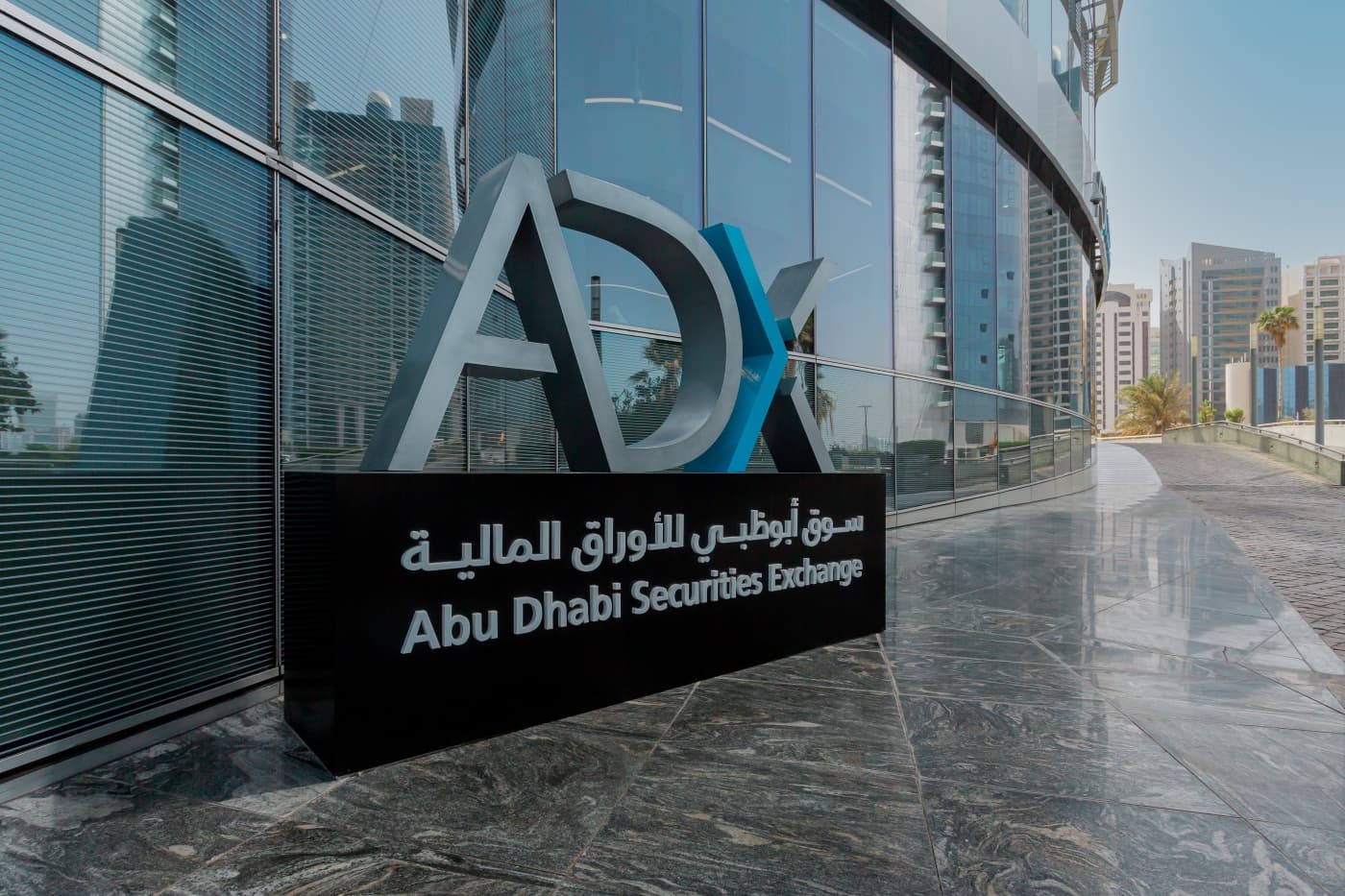
Coinbase has secured Financial Services Permission (FSP) from the Financial Services Regulatory Authority (FSRA) of Abu Dhabi Global Market (ADGM), clearing the way for the crypto exchange to establish an international tokenization hub in Abu Dhabi.
The permission allows Coinbase to arrange deals in investments and provide custody, creating the regulatory foundation for its planned launch of tokenized securities from the UAE.
The move takes Coinbase’s tokenization strategy beyond a product initiative and into regulated capital-markets infrastructure. Abu Dhabi will serve as the base for the company’s international push into tokenized securities and onchain financial markets.
Coinbase said the ADGM hub will focus on tokenized securities, with the company positioning the initiative around expanding access to capital markets through blockchain-based infrastructure.
Under the proposed structure, securities registered and issued in ADGM will be backed by their underlying shares and operate under FSRA supervision.
Coinbase also said token holders will receive economic and shareholder-related rights attached to the digital securities, subject to the conditions governing each product.
The structure is designed to bring traditional securities into a blockchain-based environment while keeping them within a regulated securities framework.
That distinction is important as the tokenization market moves from experiments and private-market pilots toward regulated financial products.
Coinbase is also pitching tokenized securities as a way to reduce some of the infrastructure traditionally required to access capital markets.
The company said investors interacting only with the digital securities would not necessarily need to establish a conventional brokerage account or correspondent banking relationship. Instead, the digital assets can be held and transferred through wallets, subject to the applicable regulatory and product requirements.
Coinbase said transactions will remain subject to ongoing sanctions screening, while its infrastructure can support wallet-level freezing or seizure where legally required.
The approach reflects an increasingly important question for tokenized securities: how much of the traditional market infrastructure can move onchain without removing the regulatory controls that govern conventional securities?
Coinbase is positioning its ADGM operation as an answer to that question.
Coinbase is entering an ADGM ecosystem that has already begun moving tokenization from regulatory design into market infrastructure.
In June, Binance's tokenized-equity platform received approval in ADGM, with tokenized securities admitted to the jurisdiction's Official List under the FSRA framework. Unlock Blockchain reported the development as a milestone for the regulated trading of tokenized securities in the region.
The development established a regulated pathway for blockchain-based representations of traditional securities within Abu Dhabi's financial-market framework.
Coinbase's arrival adds a different layer.
Rather than simply bringing tokenized assets to an existing trading venue, Coinbase is establishing an international hub focused on issuing, arranging and providing custody for tokenized securities.
That potentially places the company closer to the underlying capital-markets infrastructure.
Coinbase's Abu Dhabi strategy also follows a recent institutional tokenization transaction involving Mubadala Capital and tokenization platform KAIO.
In July, Mubadala Capital moved its private-markets strategy onto blockchain infrastructure through a partnership with KAIO and Coinbase. Coinbase participated both as an infrastructure provider and as an investor in the tokenized fund.
That transaction provided a practical example of the type of institutional activity Coinbase now wants its Abu Dhabi hub to support at a broader level.
The combination is significant: a UAE sovereign-backed asset manager, a global crypto platform and regulated tokenization infrastructure operating within the same market.
The new FSP gives Coinbase a regulatory base from which to build on that activity.
ADGM has spent years developing a regulatory framework designed to bring digital assets into a conventional financial-market perimeter.
That framework is increasingly relevant to tokenized securities because it allows blockchain-based instruments to be treated within established securities rules rather than forcing financial institutions to operate in a separate regulatory category.
ADGM's approach is becoming particularly important as global financial institutions move from tokenizing funds, treasuries and private assets toward more complex capital-markets instruments.
For Coinbase, the jurisdiction provides something its international tokenization strategy needs: a regulated environment in which digital securities can be developed alongside custody, investment and financial-market infrastructure.
The tokenization operation is part of a broader expansion by Coinbase in the UAE.
The company said Abu Dhabi will become home to its international tokenized-securities and onchain capital-markets hub, while Dubai is being positioned as a global hub for derivatives.
The two operations reflect different parts of Coinbase's international strategy, but both point toward a broader shift in how the company views the UAE.
Rather than treating the country primarily as a regional market for crypto trading, Coinbase is positioning it as a base for building financial infrastructure that can serve markets beyond the region.
Coinbase's ADGM approval comes as tokenization increasingly moves beyond the question of whether traditional assets can be represented onchain.
The next challenge is whether those assets can operate as part of functioning capital markets: with regulated issuance, custody, trading, settlement, investor rights and compliance embedded into the same infrastructure.
That is ultimately what Coinbase's Abu Dhabi strategy will have to demonstrate.
The company now has the regulatory permission to arrange investment deals and provide custody in ADGM. The larger opportunity is to turn that permission into an operating market for tokenized securities.
If it succeeds, Abu Dhabi would not simply be the location of Coinbase's international tokenization office. It could become one of the company's principal gateways for bringing traditional capital markets onto blockchain infrastructure.

Disclaimer of Warranty
The information provided in this article is for general informational purposes only. We make no warranties about the completeness, reliability, and accuracy of this information. Read full disclaimer

Editor's Picks
In the Same Space

Abu Dhabi and South Korea Forge New Financial Links Around Digital Assets and Stablecoins

Chantal Assi

Sep 22, 2026

6 min

VARA Approves Alya Marrakchi as Managing Director of GC Exchange FZE
Chantal Assi
Sep 21, 2026
4 min

Lunar Ark Secures VARA In-Principle Approval for Virtual Asset Brokerage
News Desk
Sep 17, 2026
2 min
ADGM Puts DLT Foundation Audits and Disclosure in Focus
Walid Abou Zaki
Sep 23, 2026
7 min