Advertisement
Policy & Industry
Share
A coalition of more than 120 crypto and technology organizations has called on U.S. lawmakers to move forward with the long-awaited CLARITY Act, warning that delays could stall digital asset legislation for years.
The joint letter, sent to the Senate Banking Committee on April 23, was coordinated by the Blockchain Association and the Crypto Council for Innovation. It was signed by major companies including Coinbase, Ripple, Kraken, and Andreessen Horowitz, among others.
The letter represents one of the most coordinated efforts by the crypto industry to date, urging the Senate Banking Committee to schedule a formal markup of the CLARITY Act without further delay.
At the center of the issue is the lack of a clear timeline. Tim Scott, chairman of the Senate Banking Committee, has yet to place the bill on the committee’s agenda. Much of April’s schedule was dominated by hearings related to the nomination of Kevin Warsh for a Federal Reserve leadership role.
Industry participants warn that the timeline for passing the legislation is rapidly shrinking. Congress is set to break for Memorial Day recess on May 21, leaving only a limited number of working weeks to advance the bill through multiple legislative stages.
These include committee approval, a Senate floor vote requiring a 60-vote threshold, reconciliation with other committee versions, alignment with a House bill passed in 2025, and final presidential approval.
Senator Bernie Moreno has cautioned that failure to pass the bill by the end of May could delay meaningful crypto legislation until after the next election cycle, potentially pushing progress out several years.
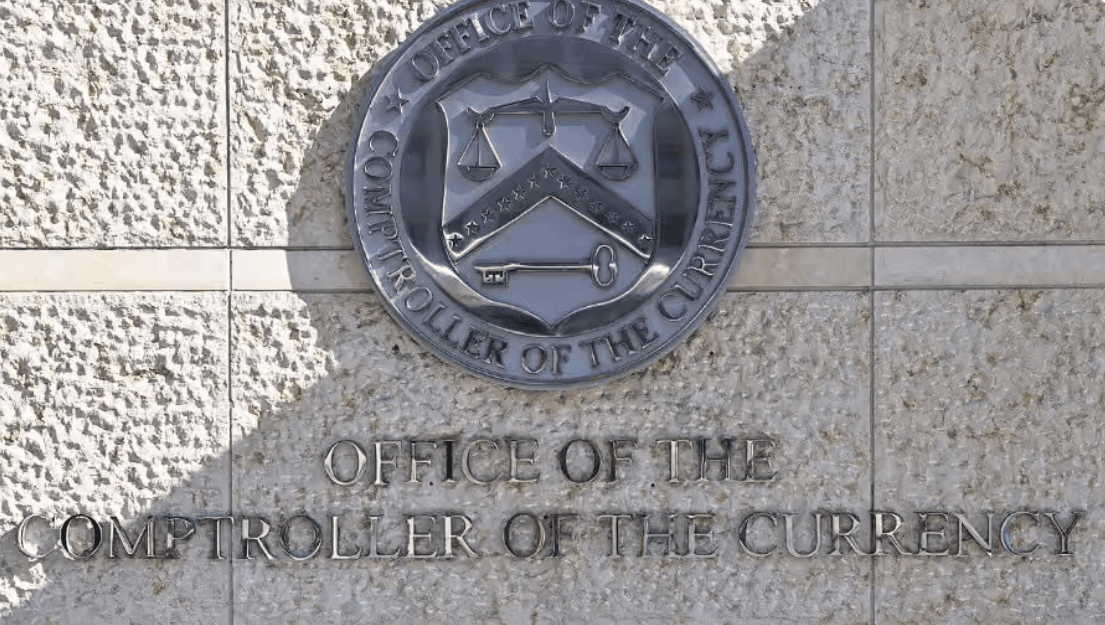
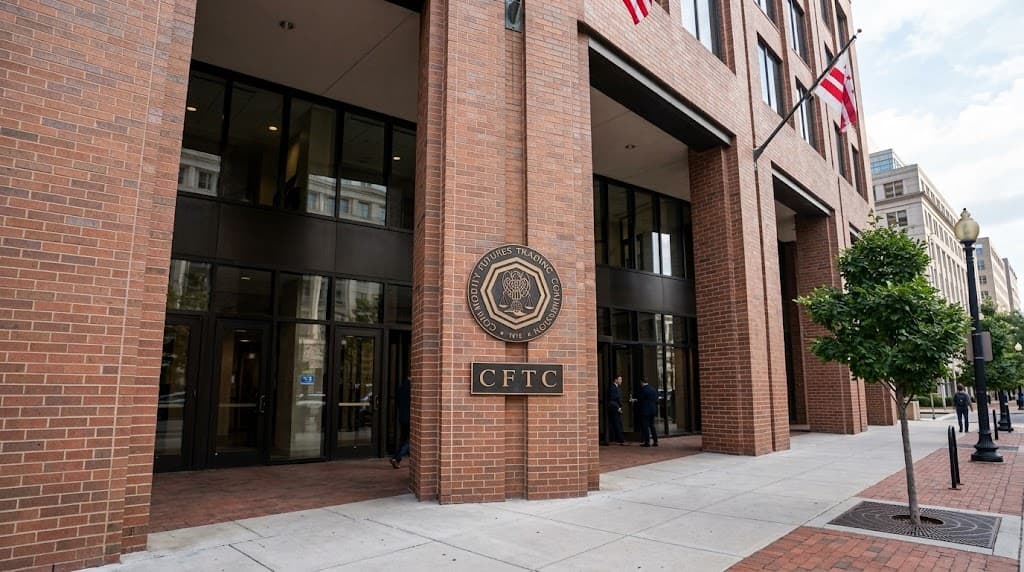
The coalition outlined several priorities it wants addressed in the legislation, including clearer jurisdictional boundaries between regulators, particularly the Securities and Exchange Commission (SEC) and the Commodity Futures Trading Commission (CFTC).
Other concerns include protections for non-custodial software developers, simplified disclosure requirements for digital assets, and the establishment of a consistent federal regulatory framework to avoid fragmented state-level rules.
The group also emphasized the importance of creating conditions that would keep innovation and capital within the United States, rather than pushing activity offshore.
Market sentiment around the bill’s prospects has become increasingly uncertain. Prediction market data suggests that the likelihood of passage has declined significantly in recent weeks, reflecting growing doubts about whether the legislation can advance within the current timeline.
At the same time, analysts have pointed to the potential economic impact of the bill. Some forecasts suggest that clearer regulation could act as a catalyst for broader adoption of digital assets and increased institutional participation.
Despite the uncertainty, some industry figures remain optimistic. Mike Novogratz has suggested that the bill could still move through committee in early May, with a possible path to approval by midyear if legislative momentum picks up.
Recent developments may support that outlook. The conclusion of key confirmation proceedings in the Senate has eased pressure on the committee’s schedule, potentially opening space for consideration of the CLARITY Act.

Disclaimer of Warranty
The information provided in this article is for general informational purposes only. We make no warranties about the completeness, reliability, and accuracy of this information. Read full disclaimer

Editor's Picks
In the Same Space

Fuze Finance Targets US Market With New Modern Treasury Stablecoin Payment Deal

Anna K.

Oct 20, 2026

6 min
Standard Chartered Signs Deal to Acquire Zodia Custody
News Desk
Oct 21, 2026
3 min
Tokenized Stocks Hit a Wall as Corporate Resistance Grows, What's Happening?
News Desk
Oct 19, 2026
5 min

Perpetuals Targets Tokenized US Stocks Under SEC’s New Trading Framework
News Desk
Oct 15, 2026
3 min