Advertisement
Policy & Industry
Share

SN
Senior English Editor


The U.S. Treasury and HM Treasury published joint recommendations from the Transatlantic Taskforce for Markets of the Future, outlining regulatory alignment measures for tokenized securities, stablecoins, and cross-border digital asset markets. The initiative establishes a one-year private sector-led group to test cross-border tokenized asset use cases and sets shared principles for stablecoin regulation between the two countries.
The United States and the United Kingdom are moving toward greater regulatory alignment for digital assets and tokenized financial markets, as both governments seek to reduce barriers to cross-border blockchain-based finance.
The U.S. Department of the Treasury and HM Treasury on Wednesday published recommendations from the Transatlantic Taskforce for Markets of the Future, outlining measures to strengthen cooperation on capital markets, digital assets and next-generation financial infrastructure.
The recommendations include establishing a private sector-led initiative to test cross-border tokenized asset use cases, exploring common regulatory approaches for tokenized securities and stablecoins, and supporting greater interoperability between U.S. and UK digital asset markets.
The announcement also included a joint U.S.-UK statement on stablecoins, with both governments recognizing regulated stablecoins as a potential tool for improving payments, settlement efficiency and cross-border financial activity.
The taskforce identified tokenization as a strategic area where both countries can strengthen their financial market competitiveness.
Under the recommendations, U.S. and UK authorities plan to engage with industry participants through a one-year private sector-led group focused on experimenting with cross-border tokenized asset applications and developing best practices.
The group will examine issues including:
regulatory clarity for tokenized financial products;
technical standards supporting tokenized finance ecosystems;
adoption of blockchain-based market infrastructure.
The initiative reflects growing institutional interest in using distributed ledger technology to modernize capital markets, including securities issuance, settlement and collateral management.
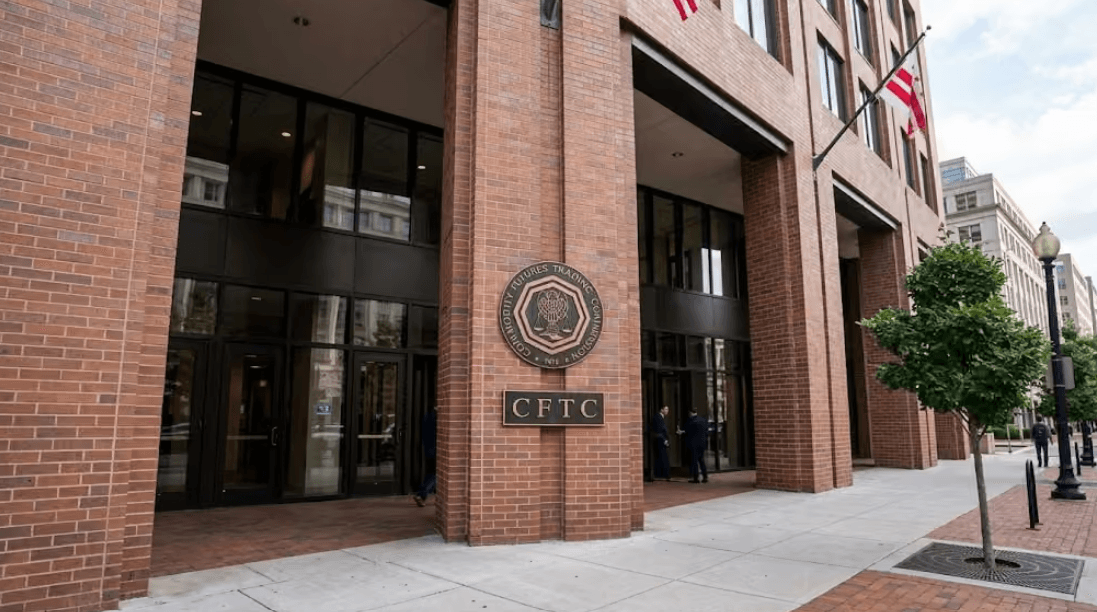
The recommendations also call for U.S. and UK regulators, including the U.S. Securities and Exchange Commission (SEC), Commodity Futures Trading Commission (CFTC), Financial Conduct Authority (FCA) and the Bank of England, to explore common approaches for the regulatory treatment of tokenized assets.
Areas under consideration include settlement finality for tokenized securities transactions and whether stablecoins and tokenized money market funds could be used as collateral within regulated markets.
Alongside the taskforce recommendations, the U.S. and UK issued a joint statement outlining shared principles for stablecoin regulation.
Both governments said regulated stablecoins could support innovation in digital money while improving cross-border payments, settlement processes and tokenized financial markets.
The statement highlighted several areas of alignment, including:
allowing stablecoins to support cross-border transactions;
encouraging coexistence between stablecoins, tokenized deposits and other forms of digital money;
ensuring stablecoins are backed one-to-one by high-quality liquid assets;
establishing clear custody, reserve protection and redemption requirements;
creating pathways for stablecoins issued in one jurisdiction to access the other market.
The governments also emphasized the role of private-sector innovation while maintaining regulatory oversight to protect financial stability and consumer confidence.
The U.S.-UK initiative comes as financial centers globally compete to establish leadership in tokenized finance.
Rather than creating a new digital asset market, the recommendations focus on integrating blockchain-based infrastructure into existing capital markets.
For institutions, regulatory fragmentation remains one of the biggest barriers to adopting tokenized securities, digital money and blockchain-based settlement systems.
By seeking alignment between two of the world's largest financial markets, Washington and London are attempting to create a more connected regulatory environment that could accelerate institutional adoption.
The move also comes as jurisdictions including the European Union, Singapore, Hong Kong and the UAE advance their own frameworks for digital assets, stablecoins and tokenized markets.
The recommendations signal that digital assets are increasingly being treated as part of mainstream financial infrastructure rather than a separate technology sector.
Stablecoins are emerging as settlement instruments for digital markets, while tokenized assets are becoming a key focus for banks, asset managers and exchanges exploring blockchain-based capital markets.
The success of the U.S.-UK approach will depend on whether regulatory coordination translates into practical frameworks that allow institutions to issue, trade and settle tokenized assets across jurisdictions.

Disclaimer of Warranty
The information provided in this article is for general informational purposes only. We make no warranties about the completeness, reliability, and accuracy of this information. Read full disclaimer

Editor's Picks
In the Same Space
CFTC Unveils Federal Framework for Leveraged Crypto Trading

News Desk

Oct 6, 2026

4 min

Who Gets the $5B Bitcoin Fortune? UK Ruling Complicates Victims’ Fight
News Desk
Oct 13, 2026
6 min

The Battle Over Crypto Banking Is Now Headed to Court, What's Next?
Anna K.
Oct 6, 2026
7 min

Kraken Parent Payward Takes Institutional Settlement 24/7
News Desk
Oct 5, 2026
6 min