Advertisement
Regulation & Policy
Share
Galaxy Research cut its probability estimate for the Clarity Act's passage in 2026 from 60% to 50%, citing a tightening Senate calendar and stalled procedural progress rather than policy opposition to the bill itself.
Galaxy Research has become more cautious about the outlook for the Clarity Act, reducing its estimate of the bill’s chances of becoming law in 2026. While the legislation remains one of the most closely watched crypto market structure proposals in the United States, analysts believe its prospects have weakened as the Senate faces mounting scheduling pressures and limited legislative time.
The revised forecast reflects procedural and political challenges rather than concerns over the bill itself, underscoring how congressional timing has become one of the biggest variables shaping the future of U.S. crypto regulation.
Galaxy Research has lowered the probability that the Clarity Act will be enacted in 2026 from 60% to 50%.
In a research note published on Friday, Alex Thorn, Head of Firmwide Research at Galaxy, explained that the downgrade stems largely from a tightening Senate calendar and the absence of meaningful progress in negotiations over recent weeks.
According to Thorn, the legislation itself continues to enjoy considerable support. However, with no Senate floor date announced and no motion to proceed scheduled, the available time to advance such a complex bill is shrinking rapidly.
The latest revision highlights how legislative timing, not policy disagreements, is increasingly determining the Clarity Act's prospects.
Galaxy had already lowered its estimate earlier in June, but little procedural progress has followed. Without a floor debate or scheduling announcement in early July, Thorn believes consideration of the bill could be delayed until September, when Congress is expected to shift attention toward the political dynamics surrounding the upcoming midterm elections.
As the legislative calendar becomes more crowded, large bipartisan bills requiring extensive debate face greater difficulty reaching the Senate floor.
Beyond procedural delays, other priorities in Washington are also reducing the available window for crypto legislation.
Galaxy pointed to President Donald Trump's recent warning that he would withhold his approval of a housing package unless Congress first passes the SAVE Act. That position adds another major item to an already crowded Senate agenda, leaving lawmakers with even less time to address complex regulatory bills.
Because the Clarity Act still requires multiple procedural stages, including committee coordination, floor debate, amendments, Senate approval, and subsequent House consideration, every scheduling delay further complicates its path toward enactment.
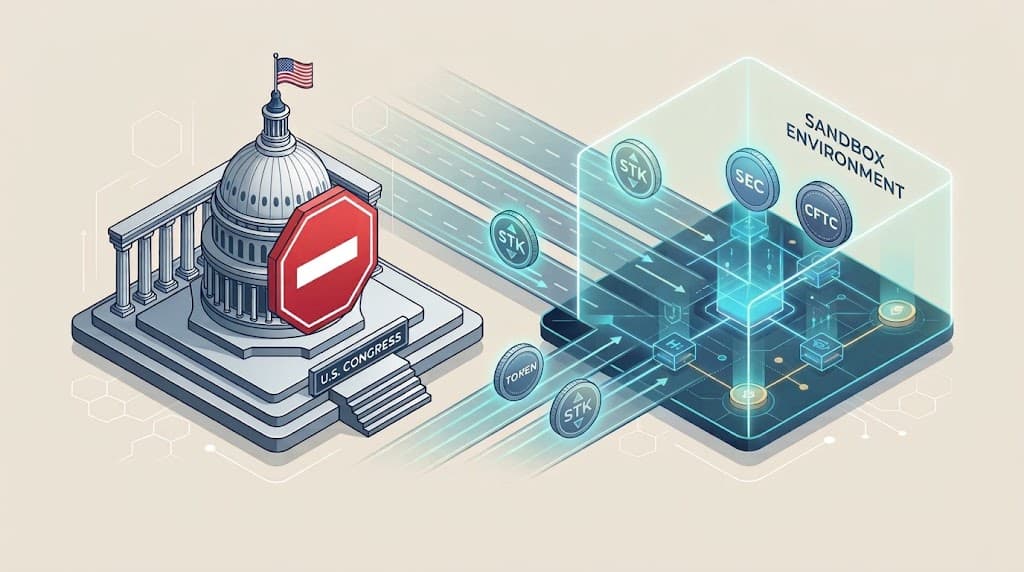
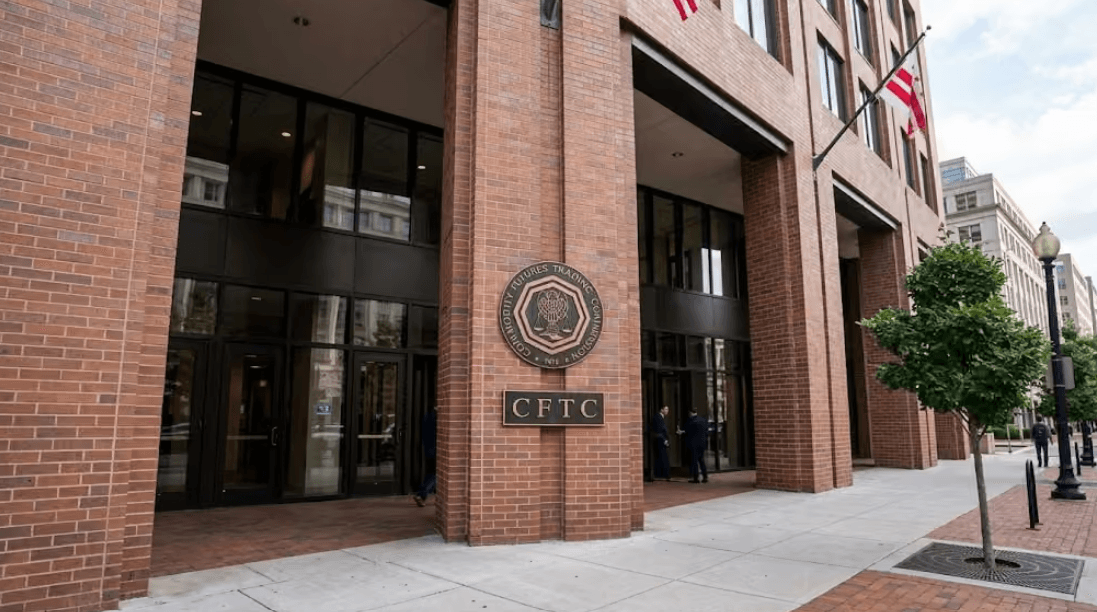
The Clarity Act has emerged as one of the centerpiece proposals in Washington's broader effort to establish a comprehensive regulatory framework for digital assets. The legislation follows years of regulatory uncertainty, during which overlapping oversight between the Securities and Exchange Commission (SEC) and the Commodity Futures Trading Commission (CFTC) created legal ambiguity for exchanges, developers, token issuers, and institutional investors.
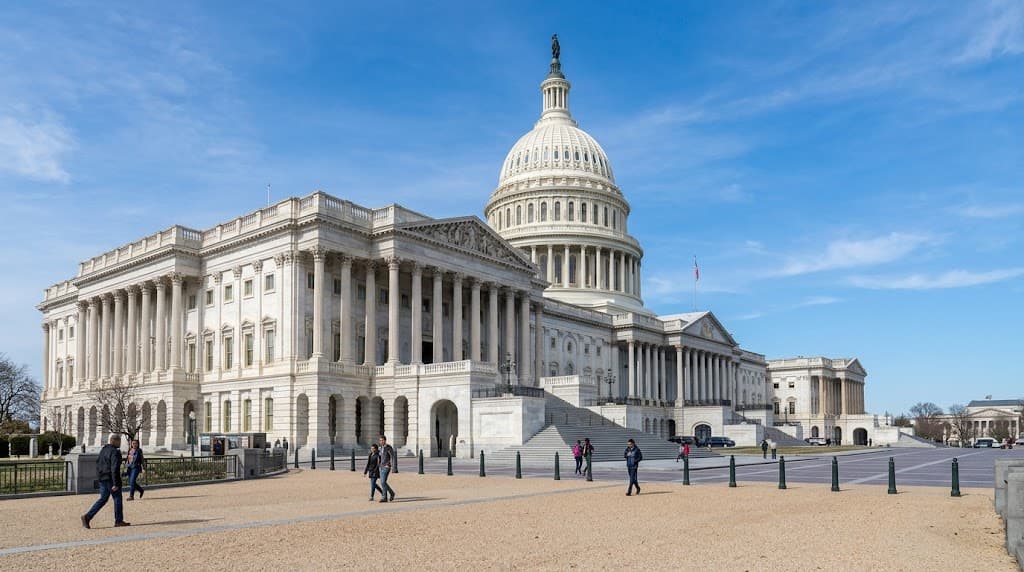
Momentum behind the bill accelerated after the House of Representatives approved the legislation earlier this year, marking one of the most significant legislative victories for the crypto industry to date. The vote strengthened expectations that Congress could finally deliver long-awaited market structure legislation, shifting attention toward the Senate as the final major hurdle.
Lawmakers from both parties have since continued negotiations to refine the proposal, with Senate aides recently indicating that the Clarity Act remains among the chamber's highest legislative priorities when Congress reconvenes in July.
The uncertainty surrounding the Clarity Act has become increasingly important for the broader digital asset industry. Many exchanges, institutional investors, and blockchain companies view the legislation as a potential turning point that could provide clearer operating rules after years of regulatory disputes.
As a result, even procedural developments, such as committee meetings, scheduling announcements, or delays in Senate debate, have become closely monitored indicators of the bill's chances of success.
Although Galaxy has reduced its forecast to an even 50-50 probability, the firm emphasized that such odds remain relatively favorable given the complexity of the legislation and the number of procedural steps still required before it can become law.
The latest revision illustrates that the future of crypto regulation in the United States now depends as much on political timing as on regulatory consensus. Unlike previous years, the debate is no longer centered on whether Congress should establish a market structure framework, but rather on how quickly lawmakers can navigate competing legislative priorities to deliver one. Even if the Clarity Act slips beyond the current legislative window, the continued bipartisan engagement suggests that comprehensive digital asset regulation remains firmly on Washington's agenda, making the bill's eventual outcome likely a question of timing rather than intent.

Disclaimer of Warranty
The information provided in this article is for general informational purposes only. We make no warranties about the completeness, reliability, and accuracy of this information. Read full disclaimer

Editor's Picks
In the Same Space
Stablecoin Yield Fight Helps Derail CLARITY Act in Senate

Walid Abou Zaki

Sep 15, 2026

8 min

Crypto's Biggest CEOs Turn on Each Other as CLARITY Act Stalls
News Desk
Sep 21, 2026
5 min

Bitcoin Rebound Faces Fed, CLARITY Vote as ETF Demand Returns
News Desk
Sep 15, 2026
4 min
Fed Sets Proposed Framework for Stablecoin Reserves and Bank Issuers
News Desk
Sep 25, 2026
6 min