Advertisement
Stablecoins & Payments
Share

SN
Senior English Editor


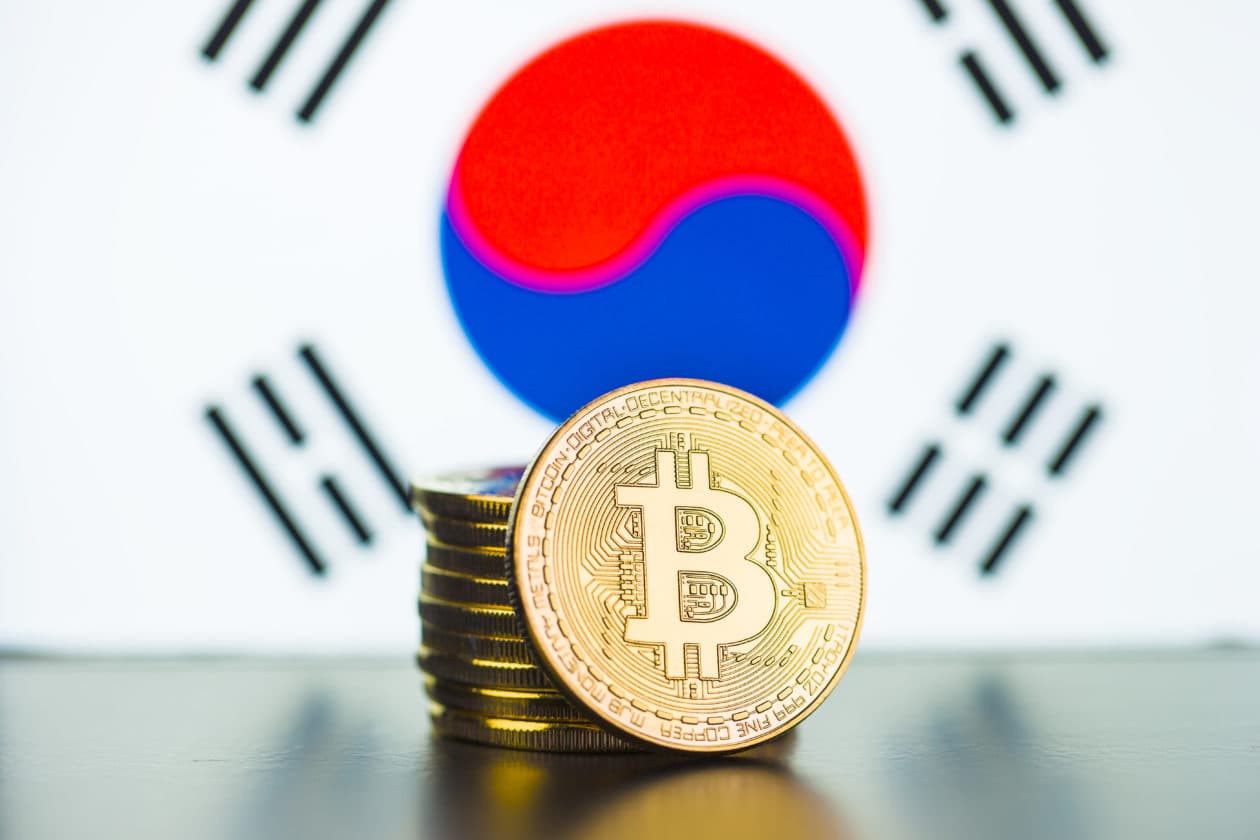
As central bank digital currency (CBDC) projects lose momentum in Asia, two regional powerhouses—South Korea and Hong Kong—are emerging as leaders in the next wave of digital finance innovation. Both are shifting focus from state-backed CBDCs to regulated fiat-backed stablecoins, aiming to position themselves as global hubs for blockchain-based financial infrastructure. However, their strategies reveal two distinct visions for the future of stablecoins in Asia.
With the Bank of Korea (BOK) shelving its CBDC pilot earlier this year, South Korea’s fintech sector has shifted its attention to private-sector stablecoins. Leading the charge is KakaoBank, which has announced plans to explore both stablecoin issuance and custody services. This move places one of South Korea’s most trusted digital banks at the heart of the country’s crypto-fintech convergence.
During its recent earnings call, KakaoBank emphasized its technical readiness, citing its experience in the BOK’s pilot and ongoing compliance work with real-name crypto accounts. The bank has formed a cross-platform task force with KakaoPay and parent company Kakao Corp. to build a strategic framework for fiat-pegged digital tokens.
The announcement arrives at a time of surging retail and institutional interest in stablecoins, especially after local enthusiasm for the CBDC initiative fizzled. KakaoBank’s regulated entry could legitimize stablecoin usage in Korea, accelerating adoption while maintaining regulatory compliance through KYC (Know Your Customer) and AML (Anti-Money Laundering) standards.
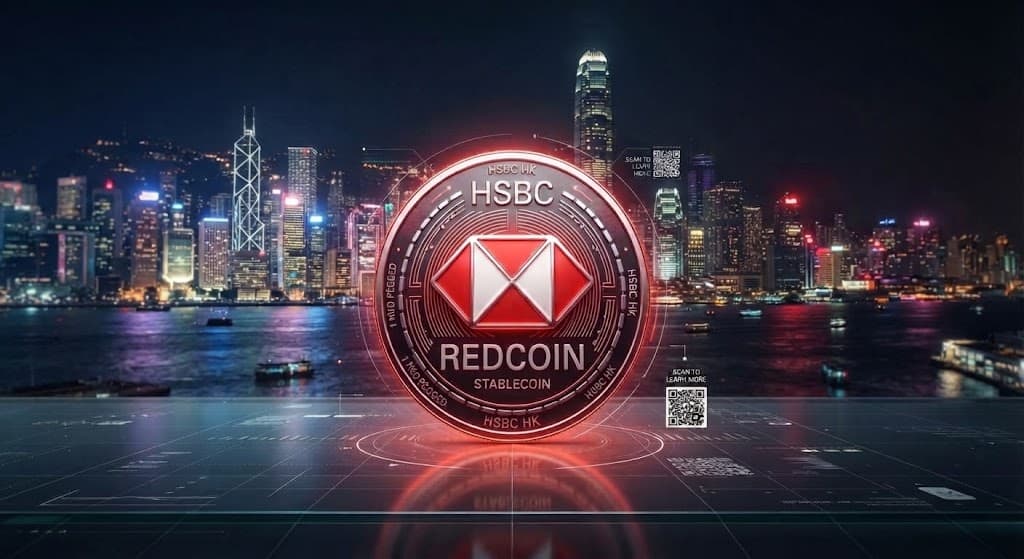
While South Korea embraces a collaborative fintech-driven model, Hong Kong is taking a hardline regulatory approach. On August 1, the city’s long-anticipated stablecoin ordinance came into effect, establishing it as one of the first jurisdictions in the world to legally regulate fiat-backed stablecoin issuers.
However, the new law’s strict KYC requirements—which mandate identity verification for every stablecoin holder, not just account holders—have raised serious concerns among industry players. Critics argue that such tight rules conflict with the core privacy and decentralization ethos of cryptocurrency, potentially stifling adoption.
Industry experts warn that the compliance burden could discourage both users and issuers. For instance, cross-border users receiving stablecoins in Hong Kong may need to open a local account just to pass identity checks, undermining the seamless and borderless nature that makes stablecoins attractive.
Still, the Hong Kong Monetary Authority (HKMA) defends the rules as essential for preventing illicit activity, especially as the city courts major Chinese firms for cross-border use cases like trade, remittances, and business payments. With only a "handful" of stablecoin licenses expected by early 2026, Hong Kong’s strategy is clear: prioritize legitimacy and systemic risk management over rapid adoption.
Despite differing strategies, South Korea and Hong Kong share common goals:
Both markets are also witnessing strong investor reactions, with stablecoin-linked stocks seeing sharp volatility following announcements and legislative changes. In Korea, Circle’s stock surged as retail investors bet on global stablecoin expansion. In Hong Kong, stocks like ZhongAn Online and Bright Smart Securities rallied on hype but cooled after the full extent of the new KYC requirements became clear.
As CBDCs lose momentum, Asia's future in digital currency appears increasingly tied to stablecoins—but with vastly different interpretations of what regulation should look like. KakaoBank’s initiative signals a fintech-led, flexible model where innovation and compliance can coexist. Hong Kong, on the other hand, is betting on a fortress-style regulatory regime to offer long-term stability and trust in its digital asset economy.
What remains certain is that stablecoins are no longer fringe tools—they’re becoming central to Asia’s evolving financial landscape, and how each country balances innovation with compliance will shape their role in the global digital economy.

Disclaimer of Warranty
The information provided in this article is for general informational purposes only. We make no warranties about the completeness, reliability, and accuracy of this information. Read full disclaimer

Editor's Picks
In the Same Space

Bitcoin Reclaims $83,000 Amid Global Tech Sell-Off

News Desk

Oct 13, 2026

6 min
SoFi Bridges Bank Deposits and Onchain Finance With New Tokenized Dollar
News Desk
Oct 23, 2026
4 min
JPMorgan Takes JPM Coin to Ethereum in Major Push to Bring Bank Deposits Onchain
News Desk
Oct 19, 2026
5 min

Mastercard Partners With BVNK to Connect Stablecoins With Traditional Payments
News Desk
Oct 16, 2026
5 min