Advertisement
Stablecoins & Payments
Share
Cryptocurrency exchange HTX has delisted the USD1 stablecoin linked to World Liberty Financial, the Trump family-backed digital asset platform, after accusing the project of freezing exchange-controlled wallet addresses without sufficient justification.
In a recent public statement, HTX said World Liberty Financial (WLFI) had “unilaterally” imposed restrictions on certain on-chain addresses associated with the exchange following sanctions-related compliance reviews.
According to HTX, the action disrupted the circulation of some WLFI-related assets connected to those wallets, prompting the exchange to remove USD1 from its platform in what it described as a measure aimed at protecting users and preserving asset stability.
The move adds another layer of tension to the growing legal and public dispute between HTX-linked entrepreneur Justin Sun and World Liberty Financial, while also placing fresh attention on how crypto platforms are responding to sanctions enforcement and compliance risks.
HTX confirmed that the delisting officially took effect Sunday.
The exchange said deposit and conversion services involving USD1 had been suspended, while existing user balances denominated in USD1 would be automatically converted into Tether’s USDT stablecoin at a 1:1 ratio.
Several trading pairs involving the token, including WLFI/USDT, USD1/USDT, BTC/USD1, and ETH/USD1, were also suspended.
HTX criticized the freeze, arguing that the restrictions were imposed without adequate communication, legal basis, or due process.
The exchange claimed the measures negatively affected user rights and asset accessibility and called on World Liberty Financial to reverse the wallet restrictions.
HTX also stated that it may pursue legal action to protect what it described as the legitimate interests of its users.
The dispute unfolds shortly after British authorities imposed sanctions on HTX, formerly known as Huobi Global, as part of a broader crackdown targeting Russia-linked financial and crypto infrastructure.
The United Kingdom announced in late May that it had reasonable grounds to suspect that Huobi Global S.A. had provided financial services connected to Russian interests.
HTX has repeatedly argued that the sanctioned entity is separate from the operational online exchange platform currently using the HTX brand and that the sanctions designation should not directly impact its ongoing business operations.
However, the sanctions have increased scrutiny surrounding the platform’s compliance posture and relationships with financial counterparties.
World Liberty Financial itself appeared to reference the broader sanctions environment earlier this week, stating on social media that it maintains “risk-based sanctions compliance controls” following recent regulatory developments.
The company has not publicly confirmed whether it specifically froze HTX-linked addresses.
The latest conflict follows an escalating legal confrontation between Justin Sun and World Liberty Financial stretching back several months.
Sun, who is widely reported to control HTX and currently serves on the exchange’s global advisory board, filed a lawsuit against World Liberty in April.
The suit alleged that the platform improperly froze his tokens and threatened to burn them without valid justification.
In response, World Liberty Financial filed its own lawsuit against Sun in May, accusing him of making defamatory statements about the project and violating token sale restrictions through allegedly prohibited transfers and trading activity.
The platform reportedly alleged that Sun engaged in activities including unauthorized token transfers, short-selling, and the use of intermediary accounts during WLFI-related transactions.
The HTX-WLFI dispute highlights the increasingly complex intersection between stablecoins, sanctions enforcement, and centralized control mechanisms within digital asset markets.
While stablecoins are often promoted as blockchain-based financial infrastructure designed for seamless transfers and global accessibility, most major projects retain the ability to freeze assets, blacklist wallet addresses, or restrict transactions under certain regulatory or compliance conditions.
As governments intensify oversight of digital asset markets worldwide, these powers are becoming increasingly important tools for issuers attempting to manage sanctions exposure and regulatory risk.
At the same time, the situation also raises broader industry questions surrounding governance transparency, user protections, and the balance between decentralization and centralized compliance controls.
The dispute between HTX and World Liberty Financial may ultimately become another example of how compliance enforcement is rapidly reshaping operational relationships across the crypto industry, particularly as stablecoins evolve into a more systemically important component of global digital finance.

Disclaimer of Warranty
The information provided in this article is for general informational purposes only. We make no warranties about the completeness, reliability, and accuracy of this information. Read full disclaimer

Editor's Picks
In the Same Space
JPMorgan Takes JPM Coin to Ethereum in Major Push to Bring Bank Deposits Onchain

News Desk

Oct 19, 2026

5 min

Mastercard Partners With BVNK to Connect Stablecoins With Traditional Payments
News Desk
Oct 16, 2026
5 min

Qivalis Secures Dutch Approval for Euro Stablecoin
News Desk
Oct 15, 2026
3 min
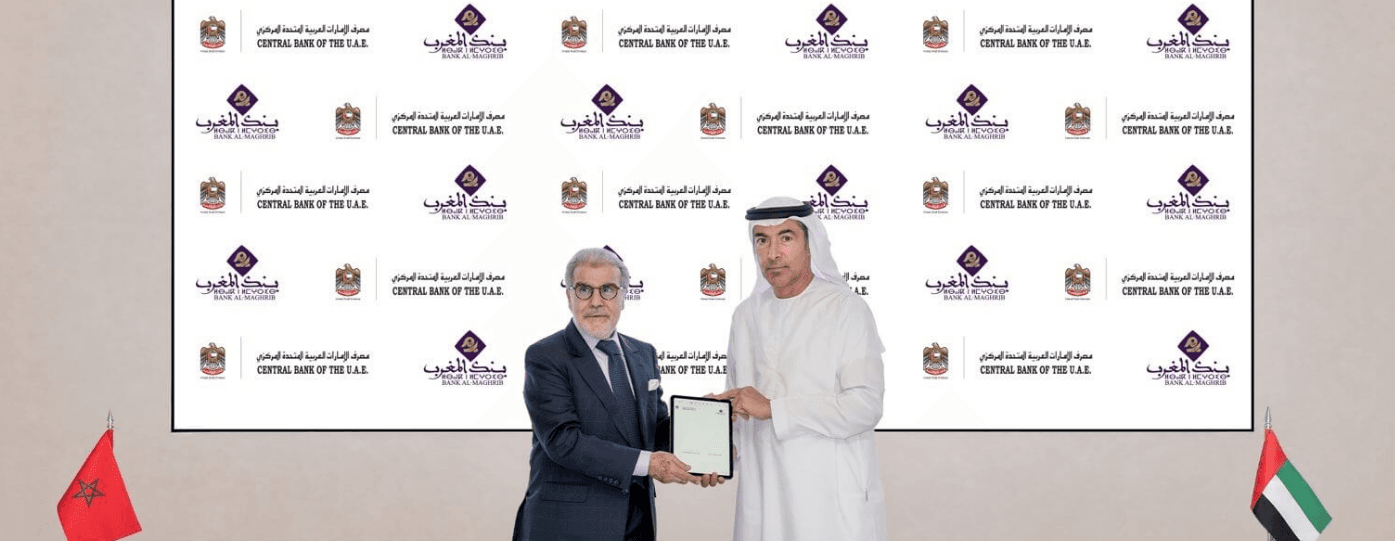
UAE and Morocco Deepen Financial Ties With Payment and CBDC Agreements
News Desk
Oct 9, 2026
5 min