Advertisement
Regulation & Policy
Share
SAP is unsurprisingly bullish on Blockchain. Throughout the course of the year, SAP has grown its community of customers and partners, and often seeks their feedback to determine if they’re seeing the same trends that SAP is observing.
As part of an enterprise blockchain study, the results found that many in the industry share in our optimism.
Customer Momentum
The results are almost unanimous: 99.5 percent of respondents view blockchain as an opportunity, up from 92 percent of respondents from earlier this year. Eighty-four percent are currently engaged in blockchain-related activities, the same percentage as SAP’s Spring 2018 report and a PwC study from August. What was promising six months ago has solidified throughout 2018: Interest is universal, and adoption is tangible.
Industry Diversity
Adoption is also diverse, SAP found a variety of industries actively driving use cases. In prior years, blockchain’s mainstream perception was synonymous with cryptocurrency. Nine months later, cryptocurrency values are fluctuating, while business cases are more popular in supply chain and increasingly in corporate finance.
In the supply chain, SAP’s grown its customer base through global track & trace, especially for pharmaceutical companies, transportation management and farm-to-consumer solutions. But SAP also sees growing potential to support the corporate finance function. Respondents ranked streamlined financial transactions – including audits, taxes and regulatory transparency – as their most important SAP blockchain use case.
Variety also applies to the internal stakeholders responsible for driving adoption. The most common stakeholders were individual line-of-business executives, followed by the CIO/IT department, offering another indicator of blockchain’s growing reach within the enterprise.
Intermediary Consolidation
While adoption and interest are both on the rise, there is another widely recognized benefit of blockchain adoption: the reduction of unnecessary intermediaries across existing business processes. Ninety-three percent of respondents see the “middleman” in various industries getting left behind, ultimately making intermediary services redundant in the next 5-10 years.

Disclaimer of Warranty
The information provided in this article is for general informational purposes only. We make no warranties about the completeness, reliability, and accuracy of this information. Read full disclaimer

Editor's Picks

When Assets Move—or Stop—Without Consent: The Limits of Crypto Wallet Control

Walid Abou Zaki

Sep 29, 2026

6 min

Where Do the Dollars Behind the UAE’s Crypto Economy Sit?
Anna K.
Sep 21, 2026
9 min

As U.S. Crypto Legislation Stalls, Circle Launches Its Own Financial Network
Walid Abou Zaki
Sep 16, 2026
9 min
Read More Articles

In the Same Space

CLARITY Stalled. U.S. Crypto Regulation Didn’t.
Salma Naueihed
Sep 18, 2026
7 min

Ethereum Sets October 6 for Glamsterdam’s Sepolia Debut
News Desk
Sep 30, 2026
2 min
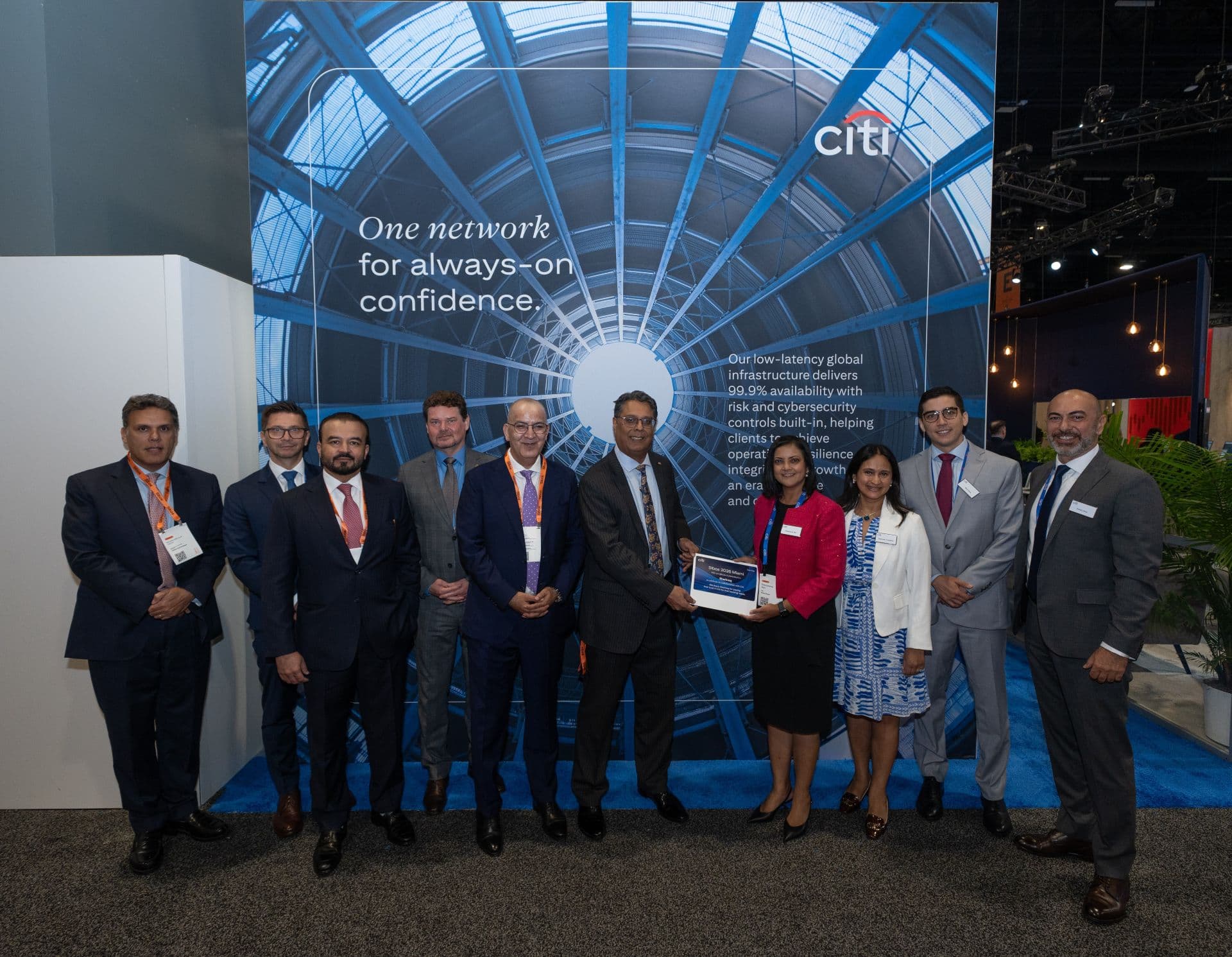
Mashreq and Citi Complete Live Tokenized Payment on Swift’s Blockchain Ledger
News Desk
Sep 30, 2026
3 min

RAKBANK Islamic Explains Shari’ah Framework Behind Bitcoin Service
Salma Naueihed
Sep 30, 2026
4 min