Advertisement
Exchanges & Trading
Share
SN
Senior English Editor


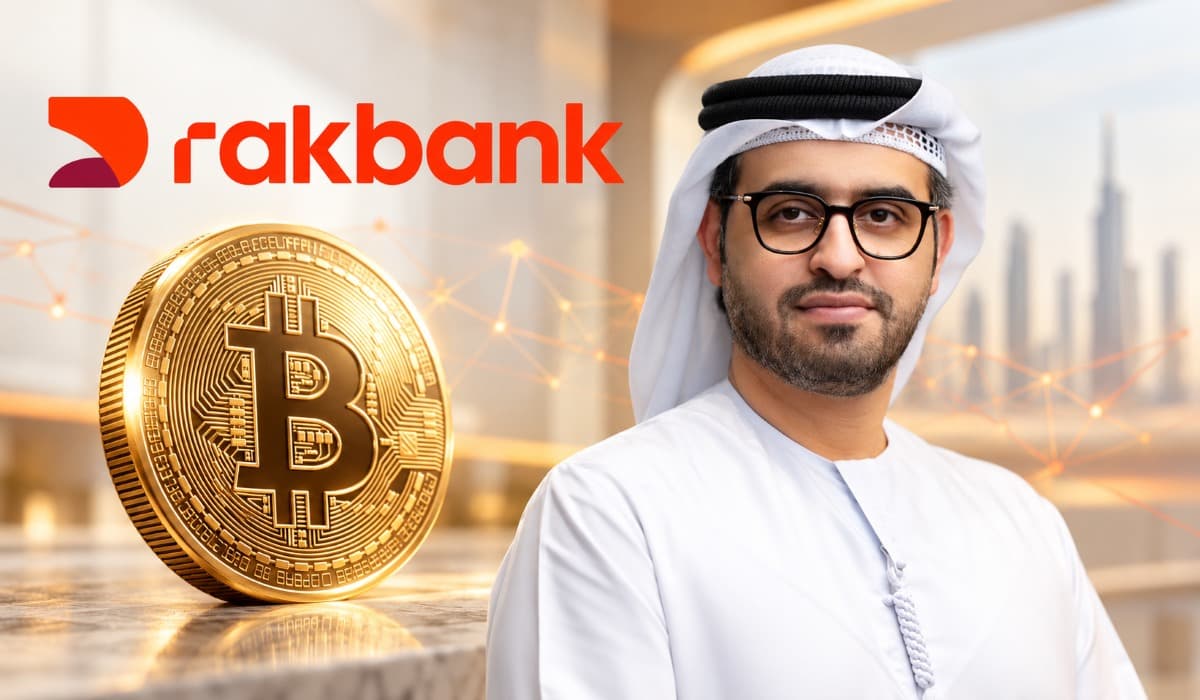
RAKBANK Islamic has detailed the Shari'ah framework governing its Bitcoin service offered through Bitpanda, clarifying that price volatility alone does not render the asset impermissible and that each additional asset or activity, including Ethereum and staking, requires a separate assessment.
RAKBANK Islamic says Bitcoin’s price volatility does not, by itself, make investment in the asset impermissible under Shari’ah. The RAKBANK Islamic Bitcoin service, offered through Bitpanda, was assessed on how transactions are executed, how customers acquire ownership and how the asset is held and sold.
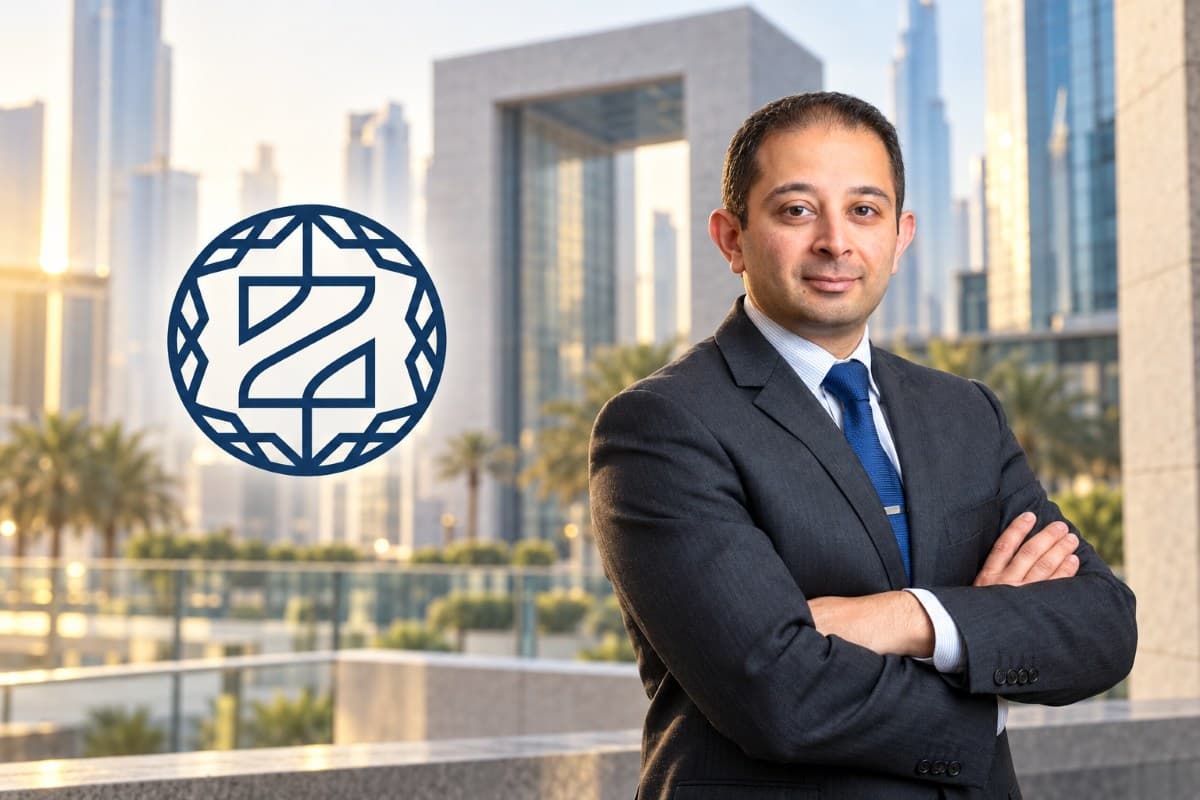
In a written interview with Unlock Blockchain, Ahmed Alalkeem Al Zaabi, Managing Director and Head of Islamic Banking at RAKBANK, outlined the framework behind the offering, including fully funded spot trades, custody provided by Bitpanda and continuing Shari’ah oversight. He also explained why approval of the Bitcoin service would not automatically extend to Ethereum or staking.
“Shari’ah does not prohibit ordinary investment risk merely because an asset’s price fluctuates,” Al Zaabi said.
The distinction, he explained, is between market volatility and gharar, which concerns excessive uncertainty in the transaction itself. For this offering, the Bitcoin being traded, the transaction amount, applicable quotation and execution process are identified. Trades are fully funded and executed on a spot basis.
Customers nevertheless bear Bitcoin’s market risk. The Shari’ah review does not remove their exposure to price movements or potential losses; the bank says customers receive disclosures covering the relevant risks and rewards.
The review covered the transaction flow from acquiring Bitcoin through ownership, possession, custody, execution and the customer’s ability to dispose of the asset.
According to Al Zaabi, customers retain full ownership of the Bitcoin and bear the associated risk, while Bitpanda executes and settles trades and provides custody. RAKBANK Islamic facilitates access, verification, connectivity and customer support. It does not act as the counterparty, custodian or market-maker.
These roles are an important part of the explanation: customers own the asset, but custody and trade execution are provided by Bitpanda. The bank’s response did not specify whether customers can transfer Bitcoin to an external wallet.
The RAKBANK Islamic Bitcoin service also supports stop orders and recurring purchases, both of which Al Zaabi said have undergone Shari’ah review and approval. The assessment examined their transaction mechanics and whether they operate within the approved framework.
He said the approval rests on the customer’s right to dispose of and transact in assets they own, subject to the Shari’ah controls governing the service.
The current offering is limited to Bitcoin. Adding another digital asset or activity would require its own assessment and the applicable Shari’ah approvals.
“Ethereum trading and staking would therefore be assessed separately because their structures, rights and sources of return may differ,” Al Zaabi said.
The bank did not confirm whether an Ethereum assessment has already been undertaken or is planned. Its response establishes that approval for trading an asset would not automatically cover a separate activity such as staking.
Oversight also continues after launch. Material changes to the approved structure, transaction flow or relevant functionality would undergo fresh Shari’ah review or approval before implementation for Islamic customers, Al Zaabi said.
RAKBANK Islamic also said it maintains the relevant Shari’ah approvals and product documentation, with customer disclosures and information provided through the appropriate channels under its governance framework.
For customers choosing the service on Shari’ah grounds, access to the applicable ruling would help clarify the scope of approval and the conditions governing the offering. This serves a different purpose from investment-risk disclosures, which explain the financial exposure customers continue to bear. The bank’s response did not explicitly confirm whether customers can obtain the full Shari’ah ruling.
The bank sees the service as a way to serve customers interested in Bitcoin who want access through an approved Islamic banking framework. Al Zaabi said broader adoption would depend on awareness, education, trust, regulatory development and the availability of appropriately structured products. The response did not provide customer uptake figures.
Approval of the RAKBANK Islamic Bitcoin service is tied to its reviewed transaction arrangements. Any expansion into other assets or activities would require further assessment, while customers remain exposed to the investment risk of the asset they choose to hold.

Disclaimer of Warranty
The information provided in this article is for general informational purposes only. We make no warranties about the completeness, reliability, and accuracy of this information. Read full disclaimer

Editor's Picks

When Assets Move—or Stop—Without Consent: The Limits of Crypto Wallet Control

Walid Abou Zaki

Sep 29, 2026

6 min

Where Do the Dollars Behind the UAE’s Crypto Economy Sit?
Anna K.
Sep 21, 2026
9 min

As U.S. Crypto Legislation Stalls, Circle Launches Its Own Financial Network
Walid Abou Zaki
Sep 16, 2026
9 min
Read More Articles

In the Same Space
UAE Stablecoin Market Expands as Digital Dirham Enters Next Phase
News Desk
Sep 18, 2026
7 min

The Gulf to Tokenize $500 Billion in Assets by 2030. Who Gets Them On-Chain?
Anna K.
Sep 30, 2026
7 min
EEMEA SMEs Turn to Crypto and Stablecoins as Digital Adoption Accelerates
News Desk
Sep 28, 2026
5 min
ADGM Puts DLT Foundation Audits and Disclosure in Focus
Walid Abou Zaki
Sep 23, 2026
7 min