Advertisement
Regulation & Policy
Share
World Liberty Financial, a crypto venture backed by the family of U.S. President Donald Trump, revealed on Wednesday that one of its subsidiaries has applied for a U.S. national trust bank charter, marking a notable step in its push to scale stablecoin operations within a regulated banking framework.
The application reflects a broader shift in the crypto industry, as digital asset firms increasingly seek formal recognition from federal banking authorities.
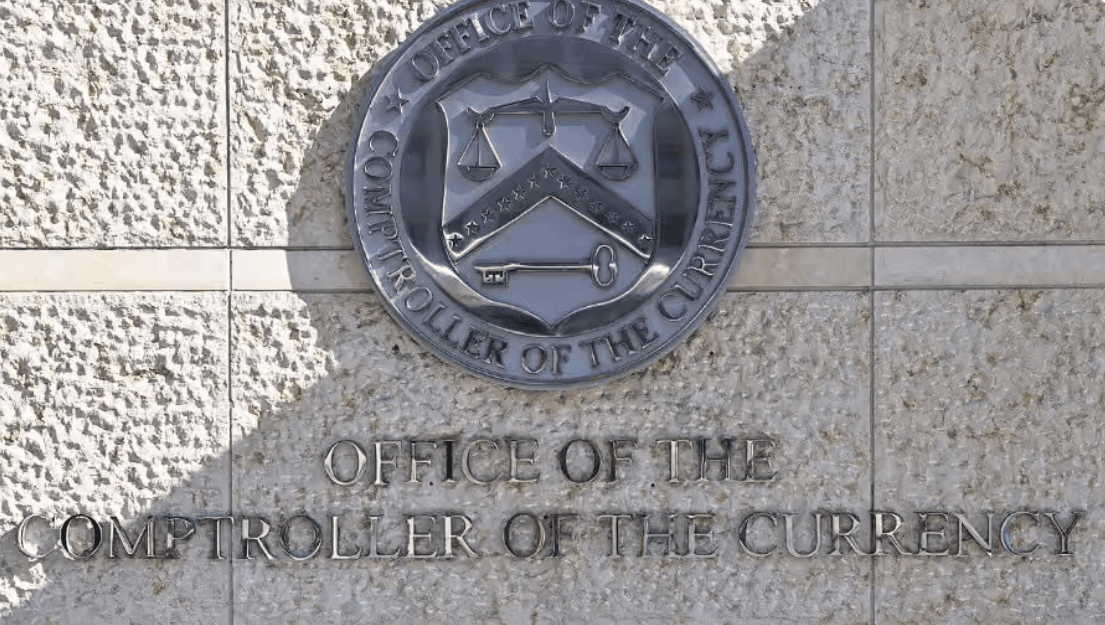
WLTC Holdings has submitted a de novo application to the Office of the Comptroller of the Currency (OCC) to establish a national trust bank. If approved, the bank would be authorized to issue and custody USD1, a U.S. dollar–backed stablecoin introduced by World Liberty Financial last year.
The proposed trust bank would provide stablecoin issuance and redemption services, as well as digital asset custody. World Liberty Financial also said it plans to offer fee-free conversion between U.S. dollars and USD1 at launch, a move aimed at encouraging early adoption and liquidity.
World Liberty Financial stated that USD1 has surpassed $3.3 billion in circulation within its first year, highlighting strong market uptake for the dollar-pegged token. The company positions USD1 as a fully backed stablecoin designed for payments, settlements, and on-chain financial activity.
The filing comes as several major cryptocurrency firms have recently secured preliminary approval from U.S. regulators to establish national trust banks. These developments signal increasing regulatory openness toward integrating digital assets into the traditional financial system.
At present, Anchorage Digital is the only crypto-native company holding a national trust bank charter in the U.S. The OCC oversees approximately 60 national trust banks in total, placing crypto firms in a still relatively exclusive category.
World Liberty Financial said the proposed trust bank would be structured to comply with the recently passed GENIUS Act, which introduced a federal regulatory framework for stablecoins. The legislation sets clear standards around issuance, reserves, and oversight, providing long-sought regulatory clarity for stablecoin issuers operating in the U.S.
The OCC has not yet responded to requests for comment regarding WLTC Holdings’ application.
This latest move reinforces a clear trend: stablecoins are no longer positioning themselves as alternatives to the banking system, but as regulated extensions of it. As regulatory frameworks solidify and trust bank charters become a strategic goal, stablecoin issuers are competing on compliance, transparency, and institutional readiness rather than speed alone.
With U.S. policymakers now offering clearer rules of engagement, trust bank applications like this one suggest that the next phase of stablecoin growth will be shaped by regulation-first strategies. For the broader market, this shift could accelerate institutional adoption and further embed stablecoins into payments, settlement, and financial infrastructure—transforming them from crypto-native tools into mainstream financial instruments.

Disclaimer of Warranty
The information provided in this article is for general informational purposes only. We make no warranties about the completeness, reliability, and accuracy of this information. Read full disclaimer

Editor's Picks
In the Same Space

EBA Names USDC EU’s First Significant E-Money Token

Salma Naueihed

Oct 15, 2026

3 min

OKX Extends Account-Hacking Protection to US Users
News Desk
Oct 21, 2026
3 min
Coinbase Ireland Fined €3.25M as Safeguarding Failures Draw Second Irish Penalty
News Desk
Oct 23, 2026
4 min

South Korea’s Digital Asset Bill Nears Final Talks as 2027 Crypto Tax Looms
News Desk
Oct 22, 2026
3 min