Advertisement
Exchanges & Trading
Share
Kalshi has filed with the CFTC for approval to offer perpetual futures contracts on gold, silver, and platinum, extending its push into 24/7 regulated derivatives trading beyond event-based prediction markets.
Prediction market platform Kalshi is seeking regulatory approval to expand its perpetual futures offering into precious metals, marking another step in its push to compete with traditional derivatives exchanges in the growing market for 24/7 trading.
The company submitted a request to the U.S. Commodity Futures Trading Commission (CFTC) to offer perpetual futures linked to gold, silver and platinum prices without expiration dates.
The move would extend Kalshi’s presence beyond event-based prediction markets and into a derivatives segment that originated in crypto markets, where perpetual contracts have become one of the most actively traded products among retail traders.
Perpetual futures allow traders to maintain positions indefinitely without a traditional expiry date. Unlike conventional futures contracts, which settle on a fixed date, perpetual contracts use frequent funding payments and price adjustments to track the underlying asset’s spot market value.
The product gained popularity through cryptocurrency exchanges, allowing traders to speculate on Bitcoin and other digital assets around the clock, often with leverage.
Demand for perpetual products has expanded as traders seek continuous market access beyond traditional exchange hours. During periods of major market volatility, including geopolitical events occurring outside regular trading sessions, perpetual markets have provided a way for traders to react immediately.
The growth of these products has been led largely by offshore crypto platforms such as Hyperliquid, which has become one of the largest venues for perpetual futures trading.
Earlier this year, the CFTC allowed Kalshi and other platforms to offer crypto-linked perpetual futures under U.S. regulation, opening the door for domestic access to a product that had previously been concentrated on offshore exchanges.
Kalshi already offers prediction contracts linked to commodities, including gold and oil, but its latest filing would introduce perpetual versions of those markets.
The expansion reflects a broader shift among trading platforms seeking to bring always-on market access into regulated environments.
Kalshi’s move also challenges the traditional exchange model, where trading hours, settlement structures and product design have historically been tied to legacy financial infrastructure.
The rise of perpetual markets has pushed established exchanges to adapt.
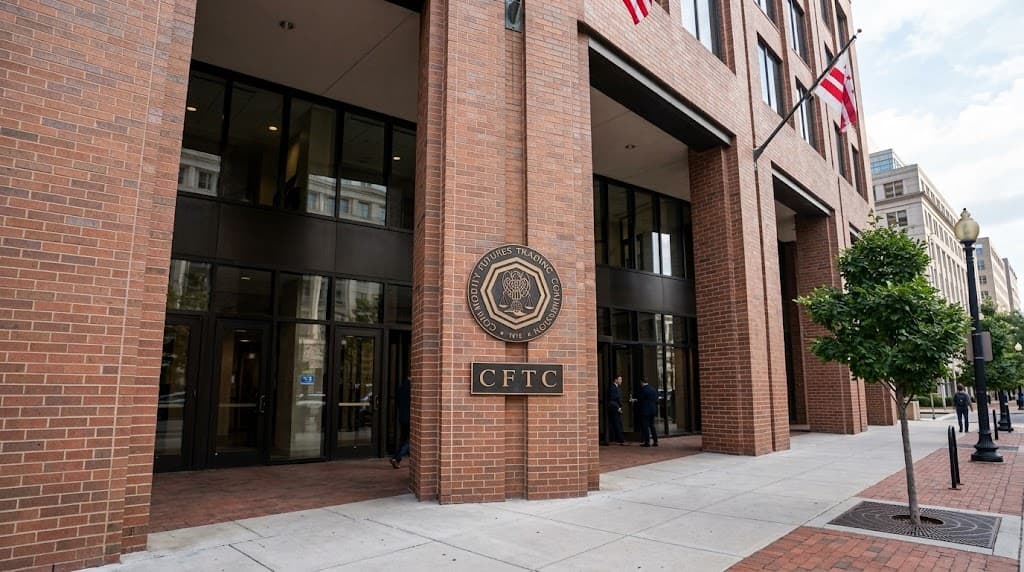
The Chicago Mercantile Exchange (CME) has been exploring ways to compete with newer trading platforms by expanding access to around-the-clock markets. However, its attempt to launch a 24-hour oil futures product faced regulatory challenges after the CFTC rejected the initial application.
CME is now preparing a 24-hour gold futures product, although the contract differs from perpetual futures because it maintains an expiration date.
The exchange has also challenged the CFTC’s decision to allow crypto perpetual products in the U.S., arguing that these instruments should be classified as swaps rather than futures and therefore subject to different regulatory requirements.
In its latest filing, Kalshi rejected CME’s argument, describing the exchange’s position as inconsistent and arguing that perpetual futures fit within the existing futures framework.
Kalshi’s expansion highlights a larger transformation underway across financial markets: the migration toward continuous trading.
Crypto markets demonstrated demand for markets that operate without closing hours, and traditional finance platforms are now attempting to bring similar accessibility into regulated markets.
The competition is no longer limited to digital assets. From commodities to equities and prediction markets, exchanges are increasingly competing over who will provide the infrastructure for the next generation of always-on financial markets.
Kalshi’s latest filing suggests that perpetual trading — once considered a crypto-native product — is moving closer to becoming a broader feature of global financial markets.

Disclaimer of Warranty
The information provided in this article is for general informational purposes only. We make no warranties about the completeness, reliability, and accuracy of this information. Read full disclaimer

Editor's Picks
In the Same Space

Standard Chartered Extends Crypto Trading to UAE Wealth Clients

News Desk

Oct 14, 2026

3 min

Bitcoin Reclaims $83,000 Amid Global Tech Sell-Off
News Desk
Oct 13, 2026
6 min

OKX UAE Adds Tokenized U.S. Stocks to Its VARA-Regulated Platform
Anna K.
Oct 12, 2026
4 min
Crypto Perpetual Futures at Risk? CFTC and CME Clash in High-Stakes Legal Battle
News Desk
Oct 20, 2026
5 min