Advertisement
Regulation & Policy
Share
The SEC announced a Sept. 17 roundtable on 24-hour securities trading and proposed amendments to transfer-agent rules to formally incorporate blockchain technology, with direct implications for tokenized securities markets.
The U.S. Securities and Exchange Commission (SEC) is advancing two initiatives that could reshape how U.S. securities markets operate around the clock and how blockchain-based transactions are recorded.
The regulator announced Tuesday the participants for its upcoming roundtable on 24-hour trading and separately proposed changes to transfer-agent rules that would formally account for blockchain technology and other electronic systems.
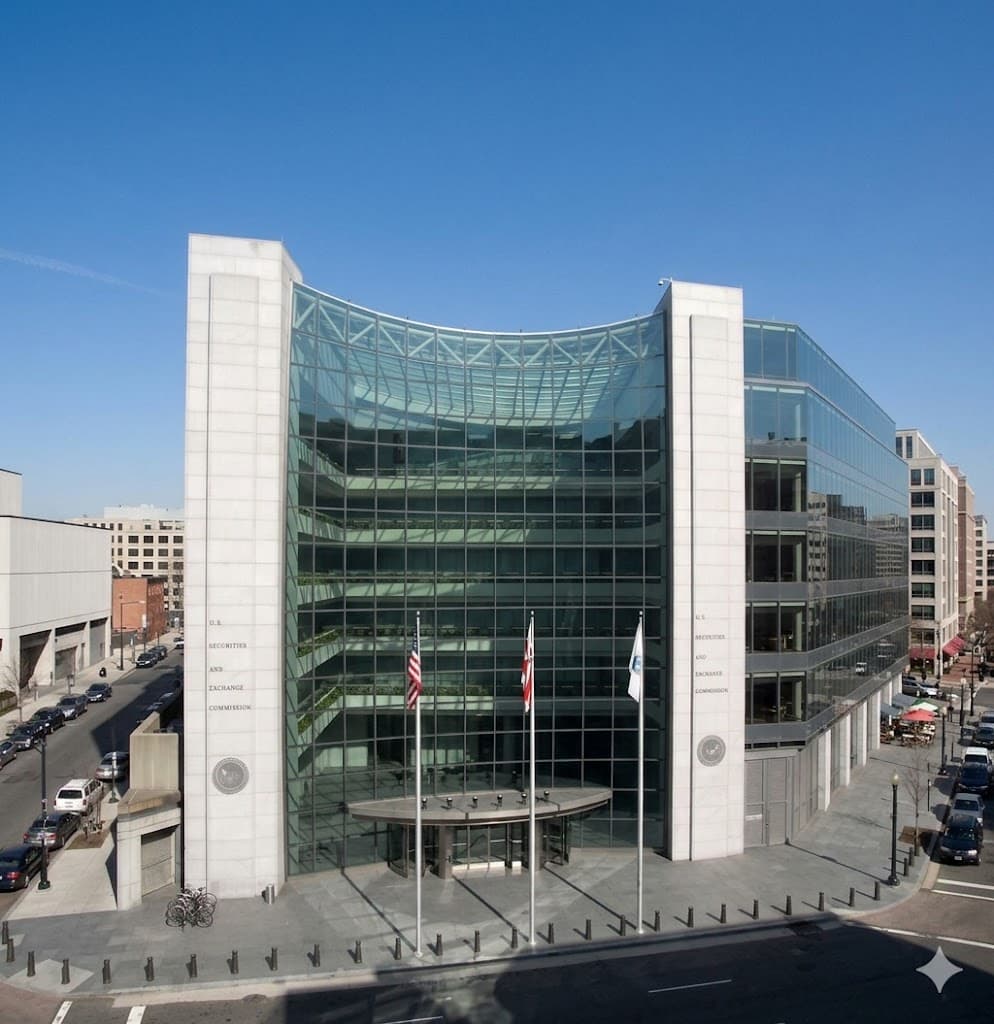
The SEC will hold a roundtable on Sept. 17 at its Washington headquarters to examine the operational and regulatory challenges of extending securities trading to 24 hours a day.
Participants will include major market infrastructure and financial firms such as NYSE, Nasdaq, State Street, Citadel Securities, Cboe and DTCC, alongside newer market entrants including Robinhood.
The discussions will cover how markets could handle continuous trading, including overnight surveillance, closing-price practices, trade clearing and settlement, and maintenance requirements for systems operating continuously.
The initiative could also have implications for crypto broker-dealers and other digital-asset firms as regulators consider how existing market rules would apply to securities markets operating on a continuous basis.
Unlike traditional securities markets, crypto markets already operate around the clock. A move toward 24-hour trading for traditional securities could therefore bring some of the operational standards of crypto markets closer to the broader financial system while creating new compliance and infrastructure requirements.
The SEC also proposed amendments to its transfer-agent rules Tuesday to account for blockchain technology and other electronic innovations in securities markets.
Transfer agents maintain records of securities ownership and process changes in ownership. The SEC's proposal would modernize rules that have remained largely unchanged for decades, including provisions covering electronic communications and the use of blockchain technology in securities offerings and share transfers.
Under the proposal, blockchain-based records could serve as official records of securities transactions, potentially providing a regulatory framework for transfer agents supporting tokenized securities and other onchain markets.
The proposal would also introduce additional operational requirements, including controls related to cybersecurity.
SEC Chairman Paul Atkins said the changes would modernize the framework to reflect the use of electronic communications and blockchain technology in securities markets.
SEC Commissioner Hester Peirce highlighted a separate issue that could be particularly relevant to blockchain-based securities: whether transfer agents should continue to collect traditional identifying information such as names and physical addresses or be permitted to use alternatives such as email addresses and digital wallet addresses.
The question could become increasingly important as tokenized securities move ownership records onto blockchain networks, where wallet addresses can serve as the primary identifiers for onchain transactions.
The proposed transfer-agent changes come as financial institutions and digital-asset platforms expand their involvement in tokenized securities.
The role of transfer agents has come under greater scrutiny as blockchain networks enable securities ownership and transfers to be recorded and settled through onchain systems.
Bullish, the parent company of CoinDesk, recently acquired transfer agent Equiniti in a $4.2 billion transaction, highlighting the growing intersection between traditional securities infrastructure and digital-asset markets.
Together, the SEC's two initiatives point to a broader effort to adapt U.S. market infrastructure to continuous trading and blockchain-based securities. For the crypto sector, the proposed transfer-agent framework could be particularly significant as regulators determine how traditional ownership and recordkeeping requirements should operate in increasingly onchain markets.

Disclaimer of Warranty
The information provided in this article is for general informational purposes only. We make no warranties about the completeness, reliability, and accuracy of this information. Read full disclaimer

Editor's Picks
In the Same Space

Philippines’ Largest Crypto Exchange Faces License Threat Over Gambling Links

News Desk

Oct 14, 2026

3 min

Who Gets the $5B Bitcoin Fortune? UK Ruling Complicates Victims’ Fight
News Desk
Oct 13, 2026
6 min

3iQ Secures In-Principle ADGM Approval for UAE Expansion
News Desk
Oct 12, 2026
3 min

Greece Proposes 10% Crypto Gains Tax as Digital Assets Enter Tax Framework
News Desk
Oct 8, 2026
5 min