Regulation & Policy
Share
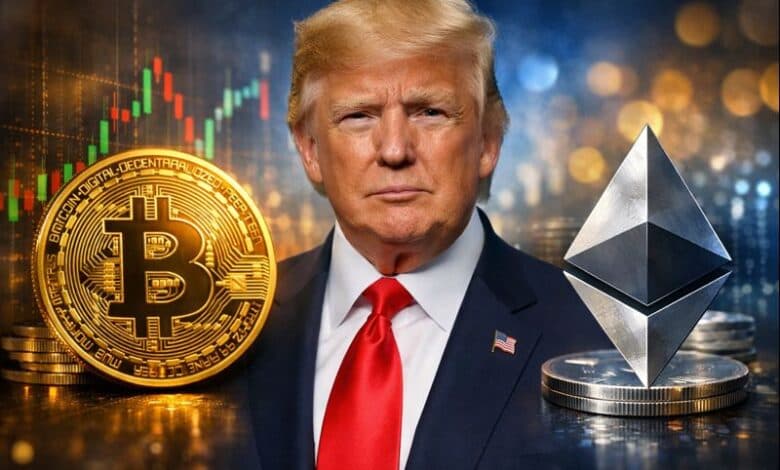
U.S. President Donald Trump is reportedly weighing an executive order that would prohibit banks from denying services to politically disfavored industries—most notably cryptocurrency firms—in what could mark a significant policy shift for the American financial system.
According to The Wall Street Journal, the Trump administration’s Domestic Policy Council, led by Vince Haley, is drafting the order in response to growing allegations of sector-specific debanking, particularly against crypto, energy, and gun manufacturing companies. The move is seen as a response to the fallout from what critics have dubbed “Operation Chokepoint 2.0”—an alleged coordinated effort to sever crypto startups from the U.S. banking system.
The issue has gained new urgency following claims that at least 30 tech and crypto founders were denied access to banking services during the Biden administration. The sudden collapses of crypto-friendly banks like Silvergate, Signature, and Silicon Valley Bank in early 2023 only intensified fears that crypto was being targeted through financial channels.
Crypto-friendly voices, such as Custodia Bank CEO Caitlin Long, have said the banking squeeze has cost firms millions and could continue well into 2026. “Trump won’t have the ability to appoint a new Fed governor until January,” Long warned. “If the OCC and FDIC overturn their anti-crypto guidance but the Fed does not, where does that leave us?”
At a White House Crypto Summit in March, Trump directly addressed the issue, stating: “We are ending Operation Chokepoint 2.0.”
Executives from major U.S. banks—including JPMorgan Chase, Wells Fargo, and Citibank—have recently met with state officials in Texas and Oklahoma to discuss accusations that they unfairly denied services to specific sectors based on political views rather than economic criteria.
Just this week, the Federal Reserve formally eliminated “reputational risk” as a basis for evaluating banks, a move that had previously discouraged financial institutions from engaging with controversial or emerging industries such as crypto. The OCC and FDIC have also updated their regulatory guidance to reflect this shift.

Disclaimer of Warranty
The information provided in this article is for general informational purposes only. We make no warranties about the completeness, reliability, and accuracy of this information. Read full disclaimer
In testimony to Congress, Federal Reserve Chair Jerome Powell clarified that banks are now permitted to serve crypto clients, stating:
“Banks are free to provide banking services to the crypto industry and crypto companies… Banks get to decide who their customers are, and that’s not our decision.”
This apparent regulatory reversal coincides with a broader realignment under Trump, who has positioned himself as a “pro-crypto president.” The administration’s support of legislation like the GENIUS Act—which passed the Senate and seeks to establish a clear federal framework for stablecoins—is viewed by many as an extension of this pro-industry posture.
The potential executive order would serve to codify what is quickly becoming a coordinated regulatory and legislative shift in favor of digital assets. It could compel banks to offer services to crypto businesses, removing longstanding barriers to entry for U.S.-based blockchain startups.
Some traditional financial institutions have already begun making moves in this direction. Bank of America is developing its own stablecoin, and JPMorgan plans to pilot its JPMD token on the Base network—a sign that Wall Street may be preparing for a more crypto-integrated future.
Still, industry leaders remain cautious. As Long noted, “It’s premature to say that debanking is over.” The next key test will be how regulators like the Federal Reserve act in tandem with upcoming Trump-led reforms.
If enacted, the executive order could reshape the U.S. financial landscape—both for crypto firms seeking legitimacy and for the traditional banking sector navigating a new political and regulatory reality.

Editor's Picks

UAE Stablecoins: Why They Are Built to Travel, Not Stay Local

Walid Abou Zaki

Feb 28, 2026

8 min

The Central Bank of the UAE Clearing the Noise Around Article 62
Walid Abou Zaki
Feb 25, 2026
5 min

Europe’s Crypto Purge: Did Lithuania Just Kick Out Innovation — and is the UAE the Beneficiary?
Salma Naueihed
Feb 18, 2026
7 min
Read More Articles

In the Same Space

Kazakhstan Pushes Forward Crypto Industry Growth with Presidential Directive
Chantal Assi
Mar 13, 2026
3 min
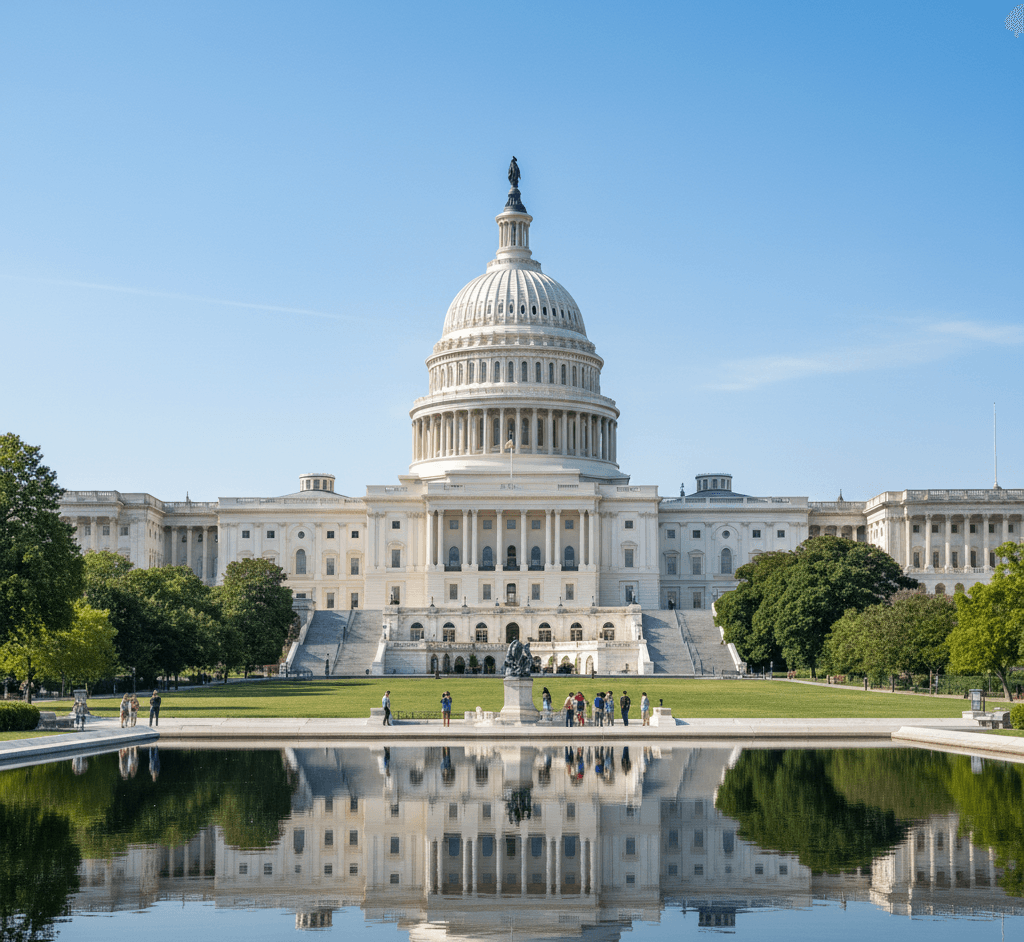
Senate Leader Signals Clarity Act May Be Delayed Until April
Chantal Assi
Mar 13, 2026
3 min
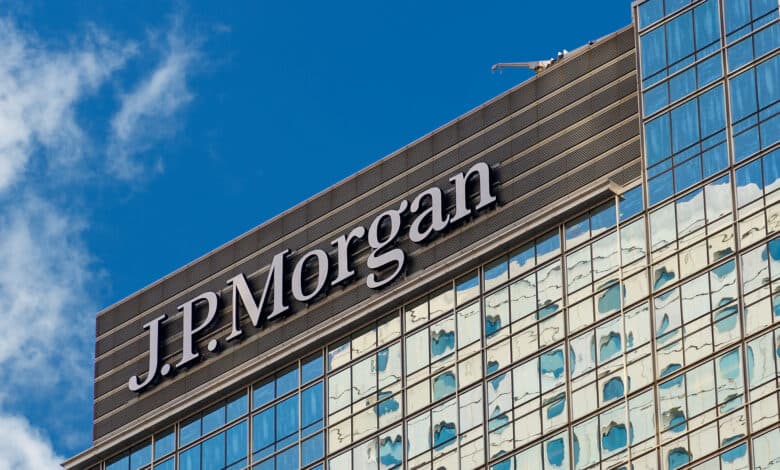
Investors Sue JPMorgan Over Alleged Role in $328M Cryptocurrency Fraud
News Desk
Mar 12, 2026
4 min
CBUAE Allows Case-by-Case Offshore Disaster Recovery for Banks
Walid Abou Zaki
Mar 12, 2026
4 min