Advertisement
Security & Audits
Share
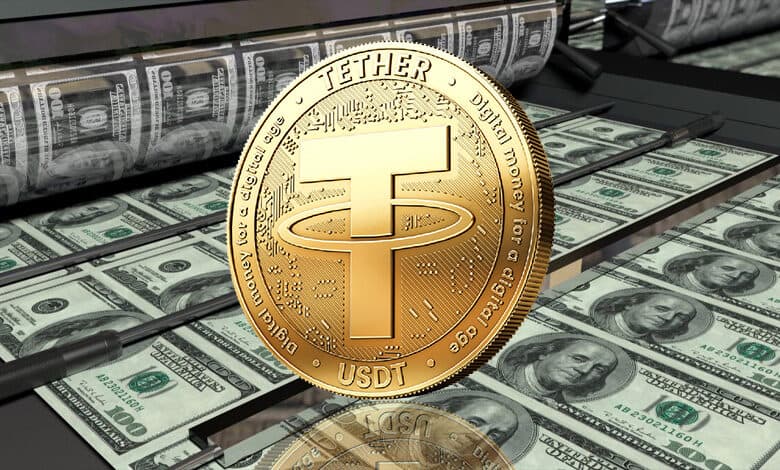
In a major step for stablecoin credibility, Tether Holdings Ltd., the issuer of the widely used USDT, announced on March 21, 2025, that it has entered an agreement for a full independent audit with a Big Four accounting firm. This move addresses long-standing concerns about the reserves backing the $110 billion USDT ecosystem and is seen as a potential turning point for regulatory compliance and institutional trust in the crypto market.
Tether revealed the development on its official blog, confirming a finalized contract with one of the Big Four firms, Deloitte, PwC, EY, or KPMG, without disclosing the specific firm due to confidentiality rules. The company emphasized the audit’s thoroughness, describing it as “comparable to audits conducted at the world’s largest financial institutions".
The audit will examine Tether’s multi-layered reserve structure, which includes:
Digital Assets: Cryptocurrencies like Bitcoin and Ethereum held in reserves.
Traditional Reserves: Conventional instruments such as U.S. Treasury bills, cash equivalents, and commercial paper.
Tokenized Government Bonds: Blockchain-based representations of sovereign debt, reflecting the integration of DeFi with traditional finance.
This comprehensive scope reflects the hybrid financial landscape Tether navigates, signaling a rigorous approach to reserve management.
Tether has long faced scrutiny over its reserve practices from regulators, competitors, and media outlets. Previously, the company provided attestations from BDO Italia, a smaller accounting firm, offering snapshots of its holdings. However, attestations differ fundamentally from a full audit, as they verify information at a single point in time rather than evaluate the fairness of entire financial statements under international auditing standards.
The push for greater transparency intensified in 2024 with regulatory developments such as the EU’s MiCA regulation and proposed U.S. stablecoin legislation, which increasingly require audited reserve disclosures. Tether’s proactive audit aligns with these trends, demonstrating a commitment to preempt regulatory requirements and strengthen credibility.
Industry analysts view the audit as a positive signal for the stablecoin market. Dr. Anya Petrova, fintech researcher at the Global Digital Finance Institute, notes:
"A Big Four audit represents the gold standard of credibility. For Tether, this is about adopting repeatable, rigorous disclosure practices, which could reduce perceived risk for institutions interacting with USDT".
The inclusion of tokenized government bonds in the audit scope is particularly notable, highlighting Tether’s adaptation to modern, on-chain financial instruments. This could encourage broader adoption of tokenized real-world assets by other market participants.
A completed Big Four audit for Tether could redefine transparency standards for stablecoins. Competitors like Circle (USDC) and Binance (BUSD) may face increased pressure to pursue similar audits, elevating credibility across the sector.
It may also influence regulatory debates, as legislators have frequently cited lack of audited transparency as a key risk. For institutions, a clean audit could remove a major compliance hurdle, enabling greater adoption and integration of USDT into mainstream financial operations.
Tether’s decision to pursue a comprehensive Big Four audit represents a landmark moment for the stablecoin industry. By subjecting its diverse reserve portfolio, including digital assets, traditional holdings, and tokenized government bonds, to rigorous scrutiny, Tether is working to legitimize its operations and strengthen trust. The forthcoming audit report could redefine industry transparency, influence global regulation, and accelerate institutional participation in cryptocurrency markets.

Disclaimer of Warranty
The information provided in this article is for general informational purposes only. We make no warranties about the completeness, reliability, and accuracy of this information. Read full disclaimer

Editor's Picks
In the Same Space
Why Are Apple and Google Recruiting for Blockchain and Stablecoin Roles?

News Desk

Sep 21, 2026

7 min

Where Do the Dollars Behind the UAE’s Crypto Economy Sit?
Anna K.
Sep 21, 2026
9 min
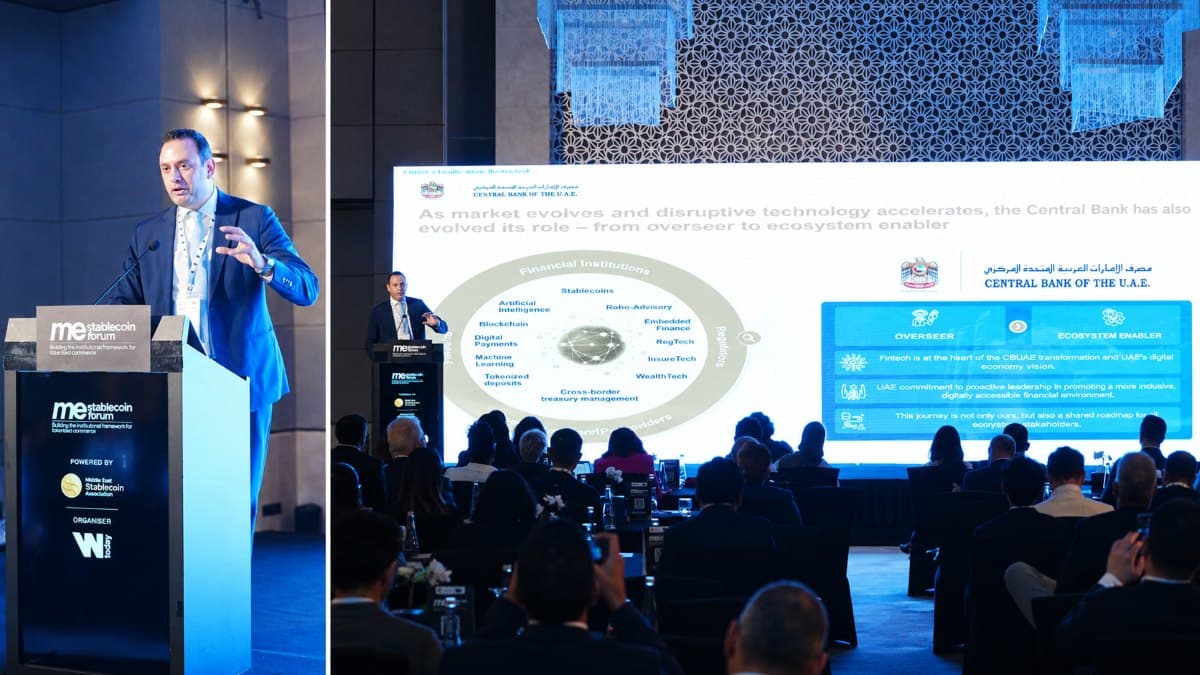
UAE Stablecoin Market Expands as Digital Dirham Enters Next Phase
News Desk
Sep 18, 2026
7 min
Deutsche Bank Moves Into Institutional Crypto Custody With Bitcoin, Ether and Stablecoins
News Desk
Sep 17, 2026
4 min