Advertisement
Stablecoins & Payments
Share
Mastercard is strengthening its presence in the digital asset sector through a new partnership with Yellow Card, focused on bringing stablecoin-based payment solutions to the EEMEA region, which includes Eastern Europe, the Middle East, and Africa.
The collaboration highlights increasing institutional belief that stablecoins are no longer viewed solely as speculative digital assets, but as a practical financial infrastructure capable of improving global payments and financial accessibility.
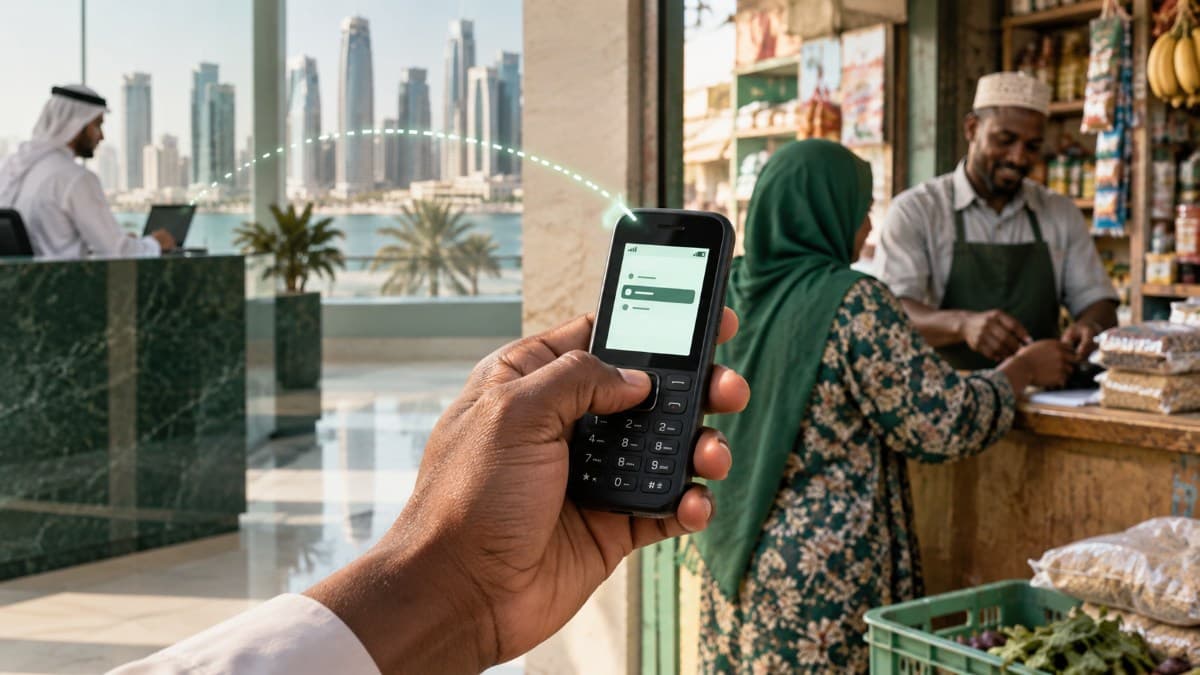
As part of the agreement, Yellow Card will connect with Mastercard’s global payments infrastructure to enable quicker and more affordable stablecoin transactions across emerging markets. The initiative is designed to address long-standing issues surrounding cross-border payments, including high fees, slow settlement times, and reliance on outdated banking systems.
Through this integration, users and businesses are expected to gain access to more efficient international transfers while maintaining familiar payment experiences linked to traditional financial networks.
The partnership reflects a broader shift in how stablecoins are being positioned within the financial industry. Rather than serving mainly as trading instruments, stablecoins are increasingly becoming tools for payments, treasury management, and settlement operations.
For Mastercard, the deal represents another step in its wider strategy of incorporating blockchain-powered settlement technology into its payment ecosystem without requiring major changes to existing consumer payment systems.
Meanwhile, Yellow Card contributes extensive regional expertise and regulatory experience, particularly across African markets where it has established itself as one of the largest licensed providers of stablecoin and crypto payment services.
The collaboration aims to provide users with several practical benefits, including faster cross-border settlements, lower transaction costs, improved access to dollar-backed financial services, and stablecoin-based treasury solutions for businesses.
These services are particularly important in many EEMEA markets, where currency instability, limited access to U.S. dollars, and expensive remittance channels continue to create financial barriers for both consumers and companies.
In recent years, stablecoins have increasingly been adopted for real-world financial use cases such as payroll processing, merchant payments, remittances, and corporate treasury management, especially across developing economies.
The agreement also underlines Africa’s growing role in the global stablecoin economy. Unlike earlier phases of crypto adoption that were heavily driven by retail speculation, current demand is increasingly centered on practical financial applications.
Yellow Card already operates in more than 20 African countries with a compliance-focused approach to digital asset infrastructure. Mastercard’s decision to partner with the company signals growing confidence that emerging markets could become some of the strongest real-world environments for blockchain-based financial services.
Mastercard’s latest move places it in direct competition with other major payment firms and fintech companies that are rapidly expanding their own stablecoin strategies. Over the past year, companies such as Visa, PayPal, and Stripe have all accelerated efforts to integrate blockchain-powered payment rails into their services.
This growing competition reflects a wider industry transition toward faster, more programmable, and globally accessible payment systems powered by blockchain technology.
For Mastercard, the partnership is ultimately about adapting to a rapidly evolving financial environment. Stablecoins offer near-instant settlement capabilities and continuous transaction availability, presenting an alternative to many traditional financial rails while still remaining compatible with existing payment systems.
By partnering with an established regional player instead of building independently, Mastercard gains immediate access to local market knowledge, regulatory frameworks, and operational infrastructure already developed by Yellow Card.
More broadly, the partnership reinforces the idea that emerging markets may become the primary testing ground for blockchain-powered payments. As demand continues to rise for cheaper and faster international transactions, regions such as EEMEA could play a major role in shaping the future adoption of stablecoin-based financial networks.

Disclaimer of Warranty
The information provided in this article is for general informational purposes only. We make no warranties about the completeness, reliability, and accuracy of this information. Read full disclaimer

Editor's Picks
In the Same Space

As U.S. Crypto Legislation Stalls, Circle Launches Its Own Financial Network

Walid Abou Zaki

Sep 16, 2026

9 min

SoFi Becomes First National Bank to Launch Stablecoin Settlement
News Desk
Sep 23, 2026
4 min

EEMEA SMEs Turn to Crypto and Stablecoins as Digital Adoption Accelerates
News Desk
Sep 28, 2026
5 min
CFTC Chair Calls for ‘Mass Tokenization’ of Financial Markets
News Desk
Sep 23, 2026
4 min