Advertisement
Stablecoins & Payments
Share
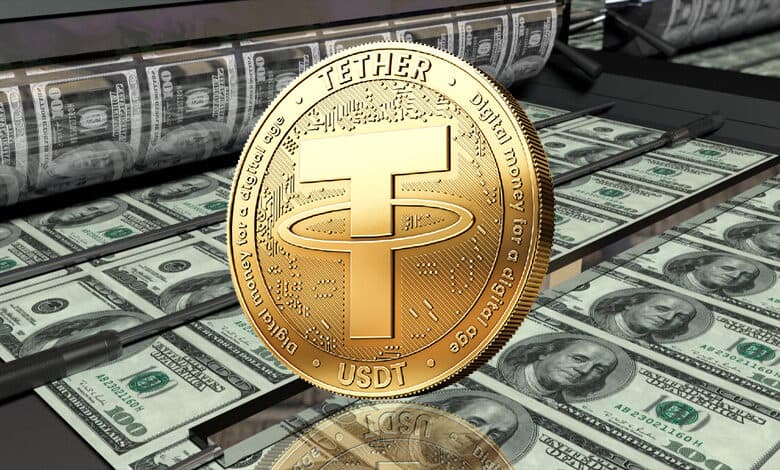
Tether has frozen more than $514 million worth of USDT on the Ethereum and Tron blockchains during the past 30 days, according to onchain information tracked by BlockSec’s USDT Freeze Tracker. The data highlights the stablecoin issuer’s increasingly active role in crypto-related enforcement and compliance actions.
As of Friday, the tracker showed that 370 wallet addresses had been blacklisted during that period. Of those, 328 were located on the Tron network, while 42 were tied to Ethereum addresses. The majority of the frozen funds, approximately $505.9 million, were held on Tron, compared with roughly $8.73 million on Ethereum.
The figures suggest that most of Tether’s recent enforcement activity is concentrated on the Tron blockchain. The data also demonstrates how frequently the issuer of the world’s largest stablecoin is intervening directly onchain to block funds associated with suspicious activity or ongoing investigations.
This trend reflects a broader increase in enforcement actions throughout the crypto industry, particularly as regulators and law enforcement agencies intensify scrutiny over illicit financial flows involving digital assets.
According to BlockSec’s analysis, Tether blacklisted 4,163 unique wallet addresses across Ethereum and Tron during 2025 alone, freezing a combined total of around $1.26 billion in USDT.
At the current pace, the amount of frozen USDT could surpass last year’s total well before the end of 2026, signaling a sharp acceleration in enforcement-related activity.
The report also noted that more than half of the frozen assets from 2025, approximately $698 million, were later permanently removed from circulation through the "destroyBlackFunds" contract function. Meanwhile, only 3.6% of blacklisted addresses were eventually removed from sanctions lists, suggesting that once wallets are frozen, the restrictions are rarely reversed.
A separate review covering the 2023–2025 period estimated that Tether immobilized nearly $3.3 billion in USDT across 7,268 wallet addresses over three years. This figure significantly exceeds the enforcement activity carried out by rival stablecoin issuer Circle during the same timeframe.
Tether has also publicly disclosed additional details regarding its broader enforcement efforts. In February, the company revealed that it had frozen roughly $4.2 billion in tokens over a three-year period due to suspected links to illicit activity. Of that amount, approximately $3.5 billion had been blocked since 2023 as authorities increased pressure on crypto-related crime.
The company has recently cooperated with several enforcement agencies on high-profile investigations. In April, Tether stated that it worked alongside the U.S. Treasury’s Office of Foreign Assets Control (OFAC) and law enforcement agencies to freeze more than $344 million in USDT tied to two Tron addresses allegedly connected to sanctions evasion activities involving Iran.
Earlier this year, Tether also assisted authorities in seizing more than $61 million in USDT linked to so-called "pig butchering" scams, a type of fraud scheme that has become increasingly common across crypto markets.
The rising scale of wallet blacklisting and asset freezes has intensified debate across the crypto sector regarding the balance between decentralization and enforcement powers.
Some decentralized finance protocols have already relied on upgradeable smart contracts and administrative controls to pause or recover funds after major hacks, sparking broader discussions about who should have authority over such interventions.
In the stablecoin sector specifically, issuers like Tether maintain direct control over minting, burning, and freezing mechanisms. As a result, onchain records increasingly show that blacklisting tools are becoming a standard part of fraud prevention, sanctions enforcement, and scam investigations within the digital asset industry.
Tether’s growing involvement in compliance and enforcement actions signals how stablecoin issuers are evolving beyond simple payment providers into major gatekeepers within the digital asset ecosystem. As regulators place greater emphasis on monitoring blockchain activity, centralized stablecoin issuers may continue playing a larger role in identifying, restricting, and recovering suspicious funds. At the same time, this shift is likely to keep fueling debate over how much control centralized entities should hold within an industry originally designed around decentralization and open financial access.

Disclaimer of Warranty
The information provided in this article is for general informational purposes only. We make no warranties about the completeness, reliability, and accuracy of this information. Read full disclaimer

Editor's Picks
In the Same Space

SoFi Becomes First National Bank to Launch Stablecoin Settlement

News Desk

Sep 23, 2026

4 min
CFTC Chair Calls for ‘Mass Tokenization’ of Financial Markets
News Desk
Sep 23, 2026
4 min

Why Are Apple and Google Recruiting for Blockchain and Stablecoin Roles?
News Desk
Sep 21, 2026
7 min
Deutsche Bank Moves Into Institutional Crypto Custody With Bitcoin, Ether and Stablecoins
News Desk
Sep 17, 2026
4 min