Advertisement
Stablecoins & Payments
Share
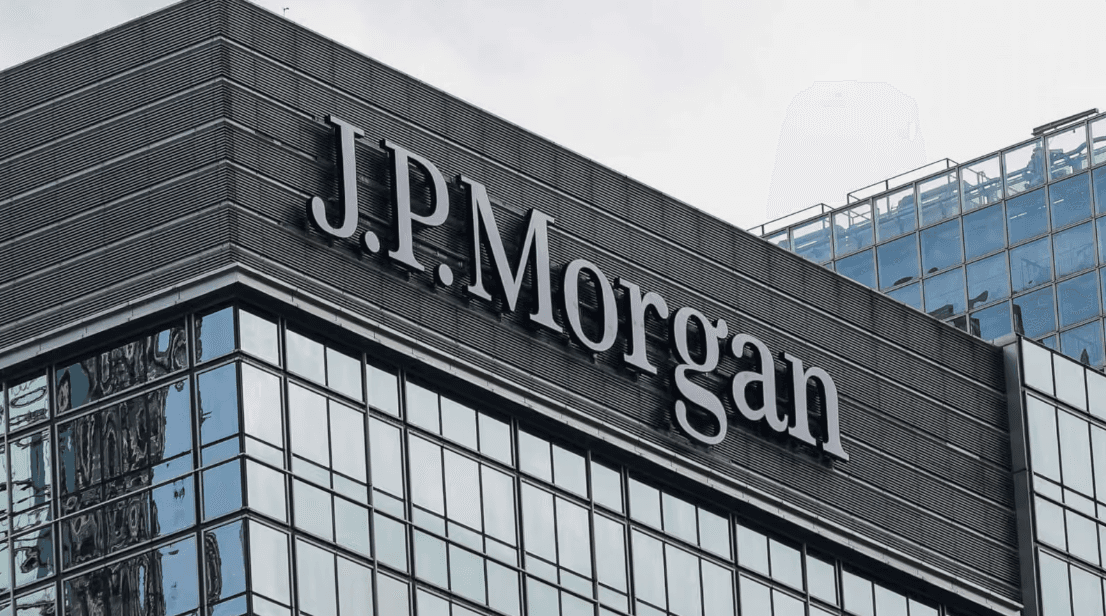
Siemens AG and digital assets market maker B2C2 have become the latest major firms to join JPMorgan Chase’s blockchain-based payments network, leveraging it to settle real-time foreign exchange (FX) transactions around the clock.
The platform, called Kinexys Digital Payments, enables instant cross-border settlements in US dollars, British pounds, and euros, according to a Bloomberg report.
Traditional FX payment systems are limited to weekday operations and can take days to clear. Kinexys aims to eliminate that lag, bringing speed, transparency, and 24/7 access to corporate money movement.
For B2C2, a subsidiary of Japan’s SBI Holdings, the integration offers a strategic edge in managing liquidity during crypto market volatility.
“This gives us the ability to move cash 24/7, seamlessly,” said Thomas Restout, CEO of B2C2. “For risk management, it’s a key piece.”
Restout noted that being tied to traditional banking rails can be limiting when crypto markets shift sharply over weekends, as traders are often unable to deploy funds when banks are closed.
The move highlights a broader trend among large institutions turning to blockchain payment infrastructure to modernize global cash and liquidity management.
Blockchain-based systems promise faster settlements, lower operational costs, and greater cash visibility—long-standing challenges in cross-border finance.
While banks have experimented with distributed ledger technology for years, few projects have achieved sustained commercial scale until now.
Launched in 2019, JPMorgan’s Kinexys network currently handles about $3 billion in daily transactions, compared to the $10 trillion processed by the bank’s traditional payments division.
Still, adoption is growing as more corporations seek to digitize and automate their financial operations.
Siemens, which recently executed a near-instant dollar-to-euro transfer on Kinexys, continues to lead in adopting blockchain-based financial tools.
The German industrial giant was among JPMorgan’s first clients to use blockchain deposit accounts to transfer funds between global subsidiaries four years ago.
“This enhancement takes us a step further—simplifying FX transactions in real time, overcoming time-zone barriers, and mobilizing cash precisely when and where it’s needed,” said Heiko Nix, Siemens’ Global Head of Cash Management and Payments.
The momentum around JPMorgan’s blockchain is not limited to corporates like Siemens and B2C2.
Last month, Trimont LLC, a commercial real estate loan servicer managing $730 billion in assets, began using the Kinexys network to automate loan payment processing.
The integration now allows payment identification, verification, and routing within minutes, compared to the two-day settlement time under traditional systems.
Trimont first adopted the platform in August and plans to expand usage next year, said CEO Bill Sexton.
Although Kinexys currently represents a small fraction of JPMorgan’s total payment flows, its growth signals a paradigm shift in global finance—from batch-based systems to instant, programmable settlements.
As firms seek efficiency beyond conventional banking hours, JPMorgan’s blockchain network is emerging as a key bridge between traditional finance and digital innovation.

Disclaimer of Warranty
The information provided in this article is for general informational purposes only. We make no warranties about the completeness, reliability, and accuracy of this information. Read full disclaimer

Editor's Picks
In the Same Space
Qivalis Secures Dutch Approval for Euro Stablecoin

News Desk

Oct 15, 2026

3 min
J.P. Morgan Brings Tokenized Money Market Funds to Solana
News Desk
Oct 23, 2026
3 min

Bitcoin Over Stocks and Gold? JPMorgan Makes Its 15-Year Call, But There's a Catch
News Desk
Oct 20, 2026
4 min

South Korea Plans Forex Law Change to Cover Stablecoins
News Desk
Oct 23, 2026
3 min