Advertisement
Regulation & Policy
Share
The SEC has proposed a regulatory framework governing crypto asset custody for investment advisers and regulated funds, permitting self-custody arrangements and state-chartered trust companies as custodians under defined conditions.
The U.S. Securities and Exchange Commission (SEC) proposed a new regulatory framework governing how investment advisers and regulated funds hold crypto assets. The initiative aims to establish a compliant route for safeguarding digital assets under federal rules, many of which were developed long before the internet emerged.
SEC Chairman Paul Atkins said the crypto market has undergone a significant transformation since Bitcoin launched in 2008, evolving from a niche interest into a multi-trillion-dollar asset class that attracts substantial investor demand. However, he noted that existing regulations have struggled to keep pace with the industry's rapid development.
The proposed framework aims to address a regulatory gap affecting institutional investors, particularly in situations where qualified custodial services are not available for certain crypto assets.
Under the proposal, crypto assets could be held through self-custody arrangements in specific circumstances. It would also allow state-chartered trust companies to serve as custodians for digital assets belonging to clients and regulated investment funds.
These provisions could give asset managers, hedge funds, and other institutional investors greater flexibility to hold bitcoin and other crypto assets directly, rather than gaining exposure exclusively through exchange-traded funds (ETFs) or other financial intermediaries.
The proposal would also permit investment advisers to hold crypto assets belonging to their clients and regulated funds themselves, but only under limited circumstances. One example would be when an adviser determines that no eligible custodian is available to provide the required services.
SEC Commissioner Hester Peirce clarified that the proposal's reference to self-custody concerns investment advisers taking responsibility for safeguarding client assets, rather than investors maintaining direct control over their own crypto holdings.
Peirce acknowledged that self-custody is not suitable for every crypto owner but emphasized the importance of protecting investors' ability to manage their own assets. She cautioned against regulatory approaches that could effectively force individuals to entrust their holdings to third-party custodians.
The SEC's proposal will be subject to a 60-day public comment period, during which interested parties can submit feedback before the regulatory process advances.
Atkins also indicated that further regulatory initiatives are expected, expressing his intention to continue working with President Donald Trump's administration to establish the United States as a global hub for the crypto industry.
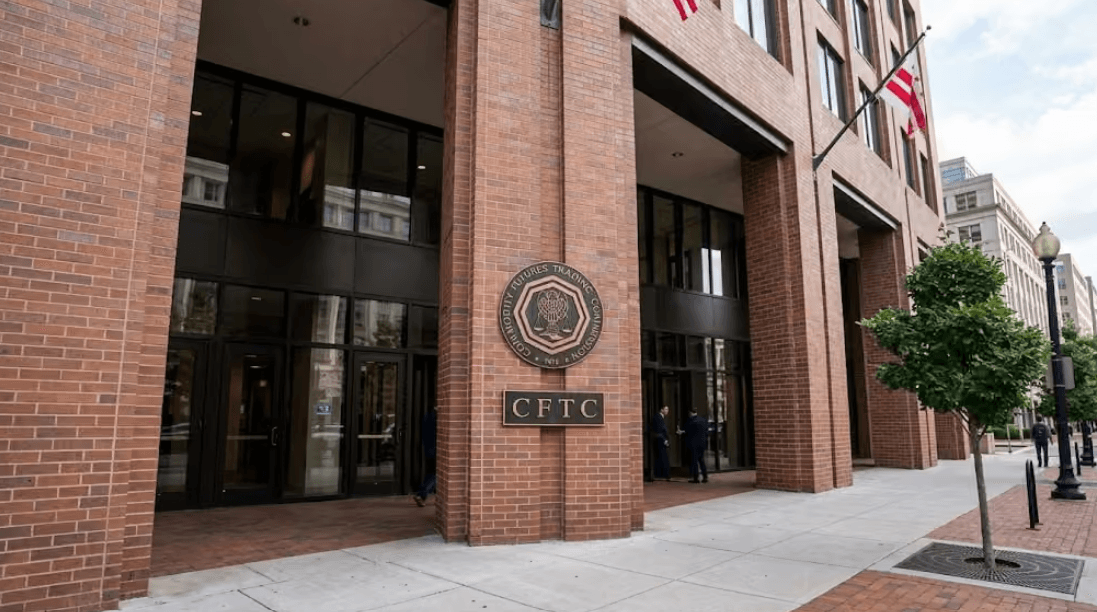
The announcement comes as the SEC and the Commodity Futures Trading Commission (CFTC) intensify their efforts to establish a regulatory framework for digital assets following the failure of the Clarity Act to advance through the Senate.
In the days after the legislative setback, the SEC introduced its long-awaited innovation exemption, while the CFTC submitted crypto asset rulemaking measures to the White House, signaling that regulatory efforts are continuing despite the lack of progress on comprehensive legislation in Congress.
Nate Geraci, president of NovaDius, commented on the developments in a post on X, describing regulators as moving quickly and aggressively. He added that some politicians might regret failing to pass the Clarity Act.
The proposal reflects a broader effort to adapt existing financial regulations to the operational realities of digital assets and the needs of institutions seeking direct exposure to crypto markets. If adopted, the expanded range of custody options could help reduce certain regulatory and operational barriers for asset managers and hedge funds, while maintaining safeguards for client assets.
However, the ultimate impact will depend on the final requirements governing self-custody, the eligibility standards for custodians, and the responsibilities imposed on investment advisers. The SEC's continued regulatory activity alongside stalled congressional legislation also highlights the distinction between proposed agency rules and comprehensive legislation enacted through Congress. The outcome of the consultation period will therefore be important in determining how the framework balances institutional access, investor protection, and accountability in crypto asset custody.

Disclaimer of Warranty
The information provided in this article is for general informational purposes only. We make no warranties about the completeness, reliability, and accuracy of this information. Read full disclaimer

Editor's Picks

When Assets Move—or Stop—Without Consent: The Limits of Crypto Wallet Control

Walid Abou Zaki

Sep 29, 2026

6 min

Where Do the Dollars Behind the UAE’s Crypto Economy Sit?
Anna K.
Sep 21, 2026
9 min

As U.S. Crypto Legislation Stalls, Circle Launches Its Own Financial Network
Walid Abou Zaki
Sep 16, 2026
9 min
Read More Articles

In the Same Space
ESMA Proposes New DeFi Gateway Rules Under MiCA Review
News Desk
Oct 1, 2026
4 min

Crypto ETFs Pull In $2.39B as Bitcoin Slips on Rising Treasury Yields
News Desk
Sep 30, 2026
5 min
CFTC Chair Calls for ‘Mass Tokenization’ of Financial Markets
News Desk
Sep 23, 2026
4 min

Crypto's Biggest CEOs Turn on Each Other as CLARITY Act Stalls
News Desk
Sep 21, 2026
5 min