
Advertisement
Regulation & Policy
Share
JPMorgan executives Umar Farooq and Peter Muriungi warned that regulatory gaps let stablecoins and DeFi mimic banks and exchanges without equal oversight, creating systemic risks.
JPMorgan has issued a warning that insufficient regulation in the digital asset space could enable stablecoins and decentralized finance (DeFi) platforms to function similarly to banks, brokers, and exchanges without being held to equivalent regulatory standards.
In remarks released on Monday, executives Umar Farooq and Peter Muriungi emphasized that the United States needs to eliminate existing regulatory gaps as digital assets become increasingly integrated into payments, trading, and settlement systems.
They stressed that the nature of a financial product, not its technological form, should determine how it is regulated.
According to them, assets that operate like securities should continue to follow strict disclosure, custody, and market integrity rules, while platforms performing brokerage or exchange functions should be subject to similar oversight.
"Substance matters more than labels", the executives noted.
A major focus of JPMorgan’s warning is the growing use of rewards and incentives tied to stablecoin holdings.
The bank argued that such products often resemble traditional bank deposits but operate without comparable capital requirements, liquidity safeguards, regulatory supervision, or consumer protections.
It also cautioned that offering cashback or yield-like rewards for simply holding stablecoins could mislead users and heighten the risk of rapid withdrawals during periods of financial stress.
Large-scale movement of funds from traditional bank deposits into lightly regulated stablecoin products could, in turn, reduce lending capacity and create instability across the broader financial system.
JPMorgan’s stance highlights an ongoing dispute between traditional banks and crypto companies over stablecoin rewards, an issue that has become central to U.S. digital asset legislation.
Crypto firms argue that such rewards enhance competition and give consumers better returns on their holdings. In contrast, banks maintain that these incentives resemble interest payments but lack deposit insurance and the regulatory burdens applied to traditional financial institutions.
The bank also urged regulators to strengthen anti-money laundering (AML) requirements across decentralized finance platforms.
Executives warned that exemptions for core blockchain infrastructure could obscure ownership structures and create blind spots for regulators, law enforcement, and national security agencies.
Despite advocating tighter oversight, JPMorgan continues to expand its own digital asset operations.
The bank recently introduced JPM Coin through its blockchain division Kinexys, enabling institutional clients to execute near-instant settlements around the clock.
It is also developing tokenization tools and programmable payment solutions while exploring additional digital asset services for retail clients and small businesses.
JPMorgan said these initiatives demonstrate that blockchain innovation can grow within a regulated financial framework.
JPMorgan’s position is not to oppose digital assets but to ensure that similar financial activities are governed by consistent rules, regardless of the underlying technology.
The bank also warned that regulatory clarity alone is not enough if it comes with weak safeguards or excessive exemptions, arguing that such an approach could increase systemic risk.
"If policy prioritizes speed over substance, it will invite instability, not leadership", the executives stated.
JPMorgan’s comments reflect a broader turning point in the evolution of digital finance, where the debate is shifting from innovation versus restriction to how far existing financial rules should extend into blockchain-based systems. The core tension lies in whether stablecoins and DeFi platforms are fundamentally new financial instruments or simply new wrappers for traditional banking functions.
As legislation develops, the outcome will likely determine not only the structure of the U.S. crypto market but also the competitive balance between banks and crypto-native firms in the next phase of financial infrastructure.
Why it matters: JPMorgan’s warning frames stablecoin rewards as a potential deposit-substitute risk, adding pressure on U.S. lawmakers to decide whether yield-like incentives should be restricted under stablecoin legislation.
What to watch next: Watch whether U.S. stablecoin legislation moves beyond issuer-paid interest to restrict rewards offered through exchanges, wallets, affiliates, or loyalty programs.
Unlock Signals are editorial tracking notes, not investment advice.

Disclaimer of Warranty
The information provided in this article is for general informational purposes only. We make no warranties about the completeness, reliability, and accuracy of this information. Read full disclaimer

Editor's Picks
In the Same Space
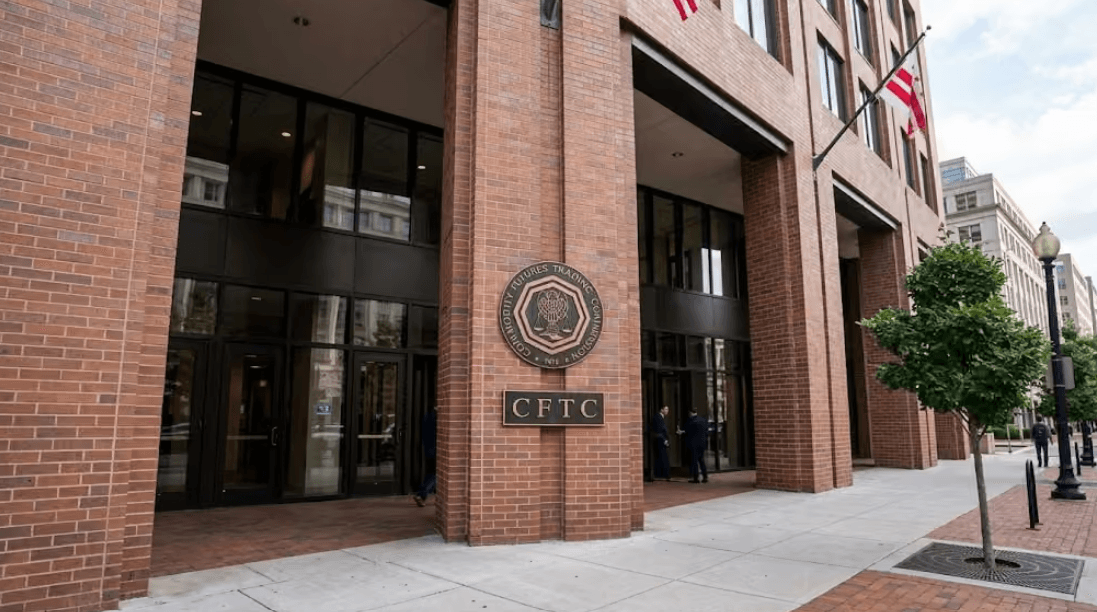
CFTC Updates Tokenized Asset and Blockchain Rules as Crypto Bill Stalls

News Desk

Sep 25, 2026

5 min

ADGM Puts DLT Foundation Audits and Disclosure in Focus
Walid Abou Zaki
Sep 23, 2026
7 min

MFTA Report: ADGM Expands Digital Asset and Staking Regulatory Framework
Chantal Assi
Sep 22, 2026
7 min

Lunar Ark Secures VARA In-Principle Approval for Virtual Asset Brokerage
News Desk
Sep 17, 2026
2 min