Advertisement
Infrastructure & Scaling
Share
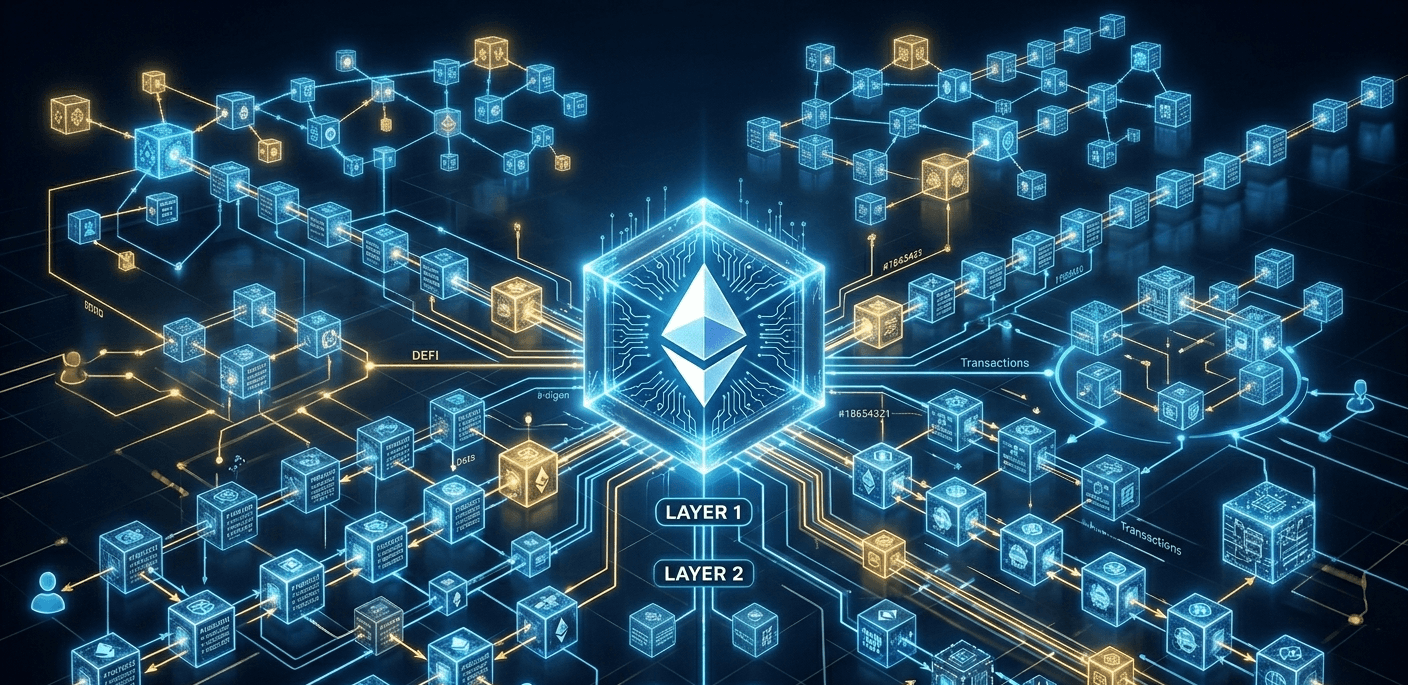
The much-anticipated Dencun upgrade was successfully implemented on the Ethereum mainnet at 1:55 pm UTC on March 13, marking another major development for the blockchain community.
Dencun, considered as one of the most eagerly awaited hard forks since the Merge, is set to revolutionize Ethereum's transaction landscape by substantially reducing fees on layer-2 networks and boosting the platform's scalability.
Arthur Breitman, co-founder of the Tezos blockchain, shared insights with Cointelegraph, expressing cautious optimism about Dencun's impact. He emphasized that while the upgrade represents progress by expanding data usability for rollups on Ethereum, it may not fully address the limitations of layer-2 solutions.
Nonetheless, Breitman cautioned that despite the fee reduction potential, rollups on Ethereum still grapple with throughput constraints and resort to centralization measures.
The launch of Dencun follows closely on the heels of the Shanghai upgrade in April 2023, which marked Ethereum's transition to a proof-of-stake network post-Merge, allowing network participants to unstake their Ether for the first time.
Comprising nine Ethereum Improvement Proposals (EIPs), Dencun integrates enhancements across Ethereum's execution and consensus layers. The upgrade derives its name from combining elements of the Cancun and Deneb upgrades. The Cancun component focuses on optimizing transaction processing, while Deneb aims to fortify consensus mechanisms.
Among the standout features of Dencun is the introduction of data blobs through EIP-4844, colloquially referred to as proto-danksharding, which will drive down transaction costs on layer-2 networks by improving data availability.
However, it's worth noting that the promised fee reductions may not immediately benefit Ethereum mainnet users. According to Max Wadington, a research analyst at Fidelity Investments, users keen on leveraging reduced fees must be prepared to sacrifice some decentralization and security by transacting on layer-2 solutions.
Wadington believes Ethereum's mainnet will continue to be the preferred option for high-value transactions in the near term, despite the growing appeal of layer-2 platforms.
Gas fees on the Ethereum mainnet persist at elevated levels, exceeding 72 gwei. Notably, the average cost of a swap stands at $86.15 in gas fees, while nonfungible token sales command an average of $145.60, according to Etherscan data.
While the upgrade introduces promising features aimed at reducing fees and enhancing data availability on layer-2 networks, challenges remain in achieving widespread adoption and addressing the scalability concerns of Ethereum's mainnet. Nonetheless, as the blockchain landscape continues to evolve, ongoing developments and upgrades like Dencun underscore the community's commitment to pushing the boundaries of innovation and making blockchain technology more accessible and efficient for users worldwide.

Disclaimer of Warranty
The information provided in this article is for general informational purposes only. We make no warranties about the completeness, reliability, and accuracy of this information. Read full disclaimer

Editor's Picks

As U.S. Crypto Legislation Stalls, Circle Launches Its Own Financial Network

Walid Abou Zaki

Sep 16, 2026

9 min

Stablecoin Yield Fight Helps Derail CLARITY Act in Senate
Walid Abou Zaki
Sep 15, 2026
8 min

Why Zondacrypto’s Collapse Would Unfold Differently in the UAE
Walid Abou Zaki
Aug 28, 2026
8 min
Read More Articles

In the Same Space

Hong Kong Prepares 24/7 CBDC Settlement System for Tokenized Deposits
News Desk
Sep 18, 2026
3 min

JPMorgan Predicts Bitcoin Rally Against Gold Amid Shifting ETF Strategies
News Desk
Sep 18, 2026
3 min
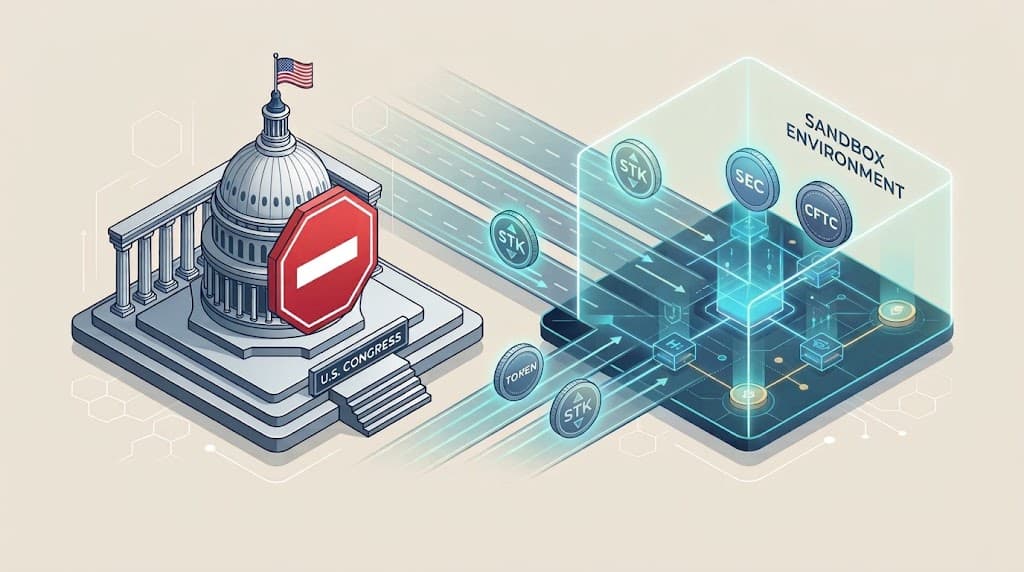
CLARITY Stalled. U.S. Crypto Regulation Didn’t.
Salma Naueihed
Sep 18, 2026
7 min
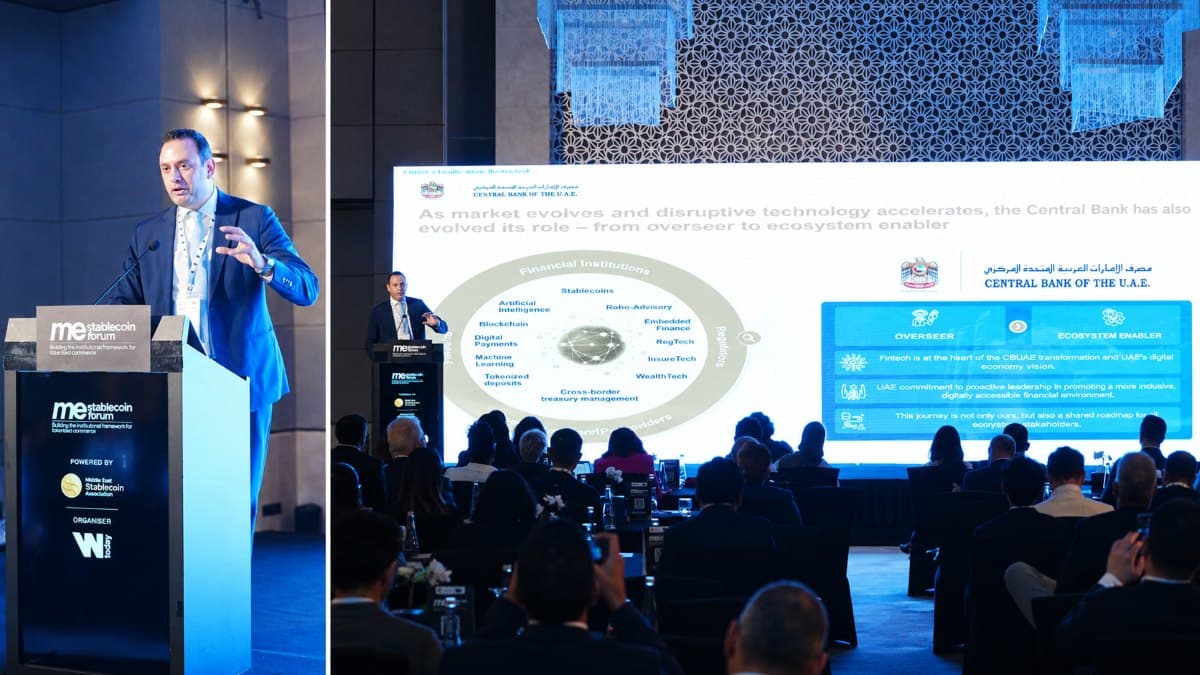
UAE Stablecoin Market Expands as Digital Dirham Enters Next Phase
News Desk
Sep 18, 2026
7 min