Advertisement
Stablecoins & Payments
Share
Tether has decided to forgo its plans to launch its own blockchain, citing market saturation and strategic considerations. In an interview with Bloomberg News, Tether CEO Paolo Ardoino explained that with the current abundance of high-quality blockchains, introducing a new one might not be the most prudent move. Ardoino emphasized that the blockchain space has become increasingly commoditized, with many platforms offering similar functionalities. As a result, Tether intends to remain “agnostic” and continue using existing blockchains as “transport layers” for USDT, prioritizing sustainability and security.
Despite shelving its blockchain plans, Tether has been expanding its presence on other networks. Earlier this month, it launched USDT on the Aptos blockchain, aiming to reduce transaction costs and enhance global accessibility. The integration capitalizes on Aptos’ speed and scalability, offering users minimal gas fees. This decision follows Aptos’ impressive growth, including a record-breaking 157 million transactions in a single day in May.
In addition, Tether has partnered with the United Arab Emirates’ Phoenix Group and Green Acorn Investments to introduce a dirham-backed stablecoin. This new stablecoin will be fully backed by liquid UAE-based reserves, providing users with access to AED benefits. This move signifies Tether’s expansion into non-dollar stablecoins, as the company seeks to tap into the UAE’s growing reputation as a global crypto hub.
In interview with Unlock Blockchain, Ardoino highlighted Tether’s pioneering role in the stablecoin market, stating, “We created the entire stablecoin market in 2014, and today, governments and the biggest banks are looking into this technology".
Stablecoins, which are digital assets pegged to fiat currencies, offer a hedge against the volatility of cryptocurrencies like Bitcoin. Tether’s USDT, the largest stablecoin, currently dominates the market with a capitalization exceeding $117 billion, accounting for nearly 70% of the stablecoin market.
In contrast, stablecoins pegged to other fiat currencies, such as Tether’s euro-pegged EURT, have a much smaller market presence. The introduction of a dirham-pegged stablecoin could diversify Tether’s offerings and meet the growing demand for Gulf currencies.

Disclaimer of Warranty
The information provided in this article is for general informational purposes only. We make no warranties about the completeness, reliability, and accuracy of this information. Read full disclaimer

Editor's Picks
In the Same Space

UAE Leads Institutional Stablecoin Adoption, Fireblocks Reports $33T in Transfers

Chantal Assi

Jul 27, 2026

3 min

USDU Adds Zodia Custody Amid Standard Chartered Acquisition
Walid Abou Zaki
Jul 26, 2026
5 min
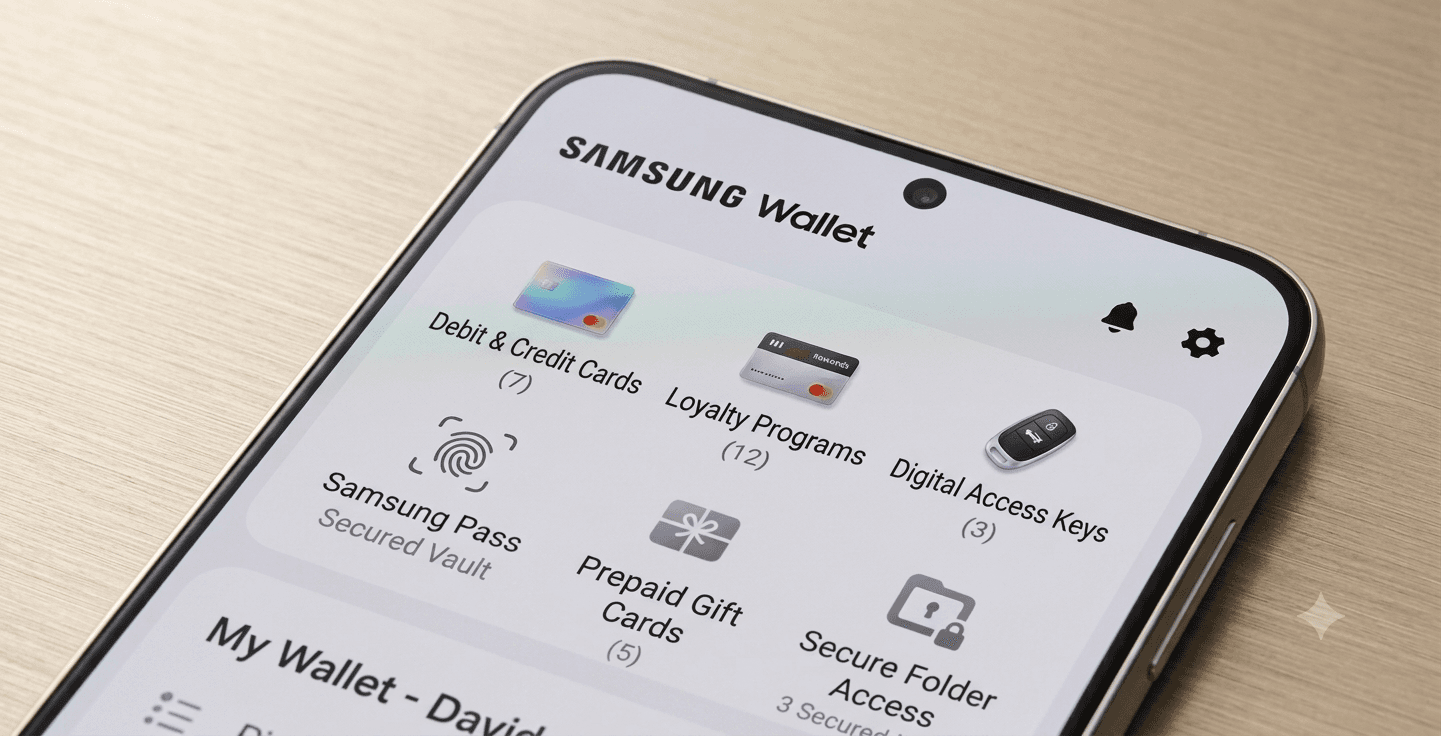
Samsung Wallet Adds Stablecoins in Push Toward Digital Payments
News Desk
Jul 24, 2026
3 min
BIS Warns Stablecoins Could Weaken Capital Controls in Emerging Markets
News Desk
Jul 22, 2026
3 min