Companies & Deals
Share
Thailand has approved a new capital gains tax exemption for crypto transactions, extending the relief through the end of 2029.
The Cabinet-backed measure, proposed by the Ministry of Finance, eliminates personal income tax on profits from the sale of digital assets but only when the transactions are conducted through regulated platforms such as licensed exchanges, brokers, or dealers.
These platforms must operate under the framework of Thailand’s 2018 Digital Asset Business Decree and be overseen by the Securities and Exchange Commission.
Deputy Finance Minister Julapun Amornvivat described the decision as a "full-speed ahead" moment for the nation’s digital strategy. “This is a key step in boosting Thailand’s economic potential,” he stated, emphasizing the opportunity it presents for local entrepreneurs to compete globally.

Disclaimer of Warranty
The information provided in this article is for general informational purposes only. We make no warranties about the completeness, reliability, and accuracy of this information. Read full disclaimer
The tax exemption is designed to enhance transparency in crypto trading, foster technological innovation, and stimulate broader economic growth. Officials estimate it could generate more than 1 billion baht (roughly $30 million) in tax revenue over the medium term by increasing legal trading volumes and attracting new investment.
Thailand has been actively developing a digital-friendly regulatory environment. In early 2024, the country scrapped its 7% value-added tax (VAT) on crypto capital gains. Earlier this year, the Securities and Exchange Commission also revealed it was considering allowing domestically issued Bitcoin ETFs, a potential game-changer for retail and institutional investors alike.
At the same time, authorities have moved to tighten oversight of unregistered crypto platforms. In May, regulators announced plans to block access to major offshore exchanges, including Bybit, CoinEx, and more, for failing to secure proper authorization to serve Thai users.
Looking ahead, Thailand’s Revenue Department is preparing to adopt the OECD’s Crypto-Asset Reporting Framework, which aims to standardize global reporting requirements for digital assets and improve transaction traceability.
With this latest policy, Thailand continues to walk a fine line: encouraging innovation and investment, while tightening guardrails to ensure long-term market integrity.
Related Articles

Companies & Deals
Stripe’s Reported PayPal Interest: A Signal of Payments Consolidation With Stablecoins in Focus?



Companies & Deals
Riot Platforms Faces Investor Pressure to Accelerate AI Infrastructure Expansion

Companies & Deals
German Financial Innovation: Stuttgart Stock Exchange Merges with Tradias in €500M Deal

Editor's Picks
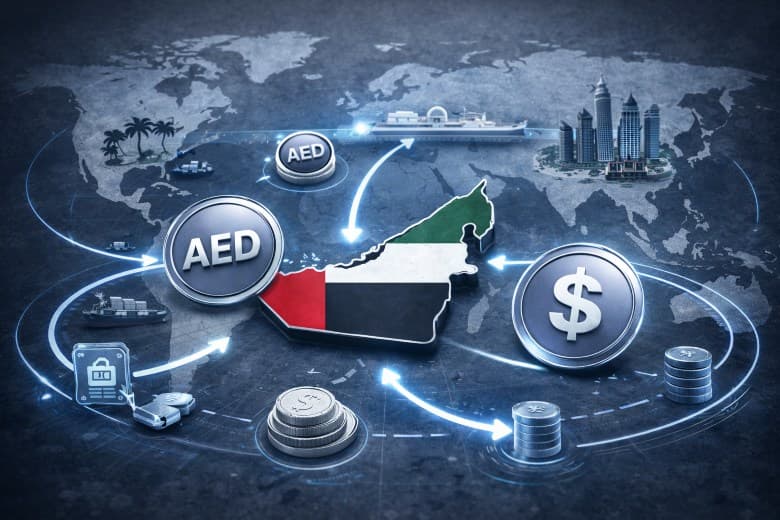
UAE Stablecoins: Why They Are Built to Travel, Not Stay Local

Walid Abou Zaki

Feb 28, 2026

8 min

The Central Bank of the UAE Clearing the Noise Around Article 62
Walid Abou Zaki
Feb 25, 2026
5 min

Europe’s Crypto Purge: Did Lithuania Just Kick Out Innovation — and is the UAE the Beneficiary?
Salma Naueihed
Feb 18, 2026
7 min
Read More Articles

In the Same Space

Bitcoin Miners Face Price Risk from Iran Conflict Rather Than Energy Costs
Chantal Assi
Mar 13, 2026
3 min

Kazakhstan Pushes Forward Crypto Industry Growth with Presidential Directive
Chantal Assi
Mar 13, 2026
3 min

World Liberty Financial Offers $5M “Super Node” Access in Trump Crypto Venture
Chantal Assi
Mar 13, 2026
3 min

Ethereum’s Future: "Buterin" Highlights Three Core Roles
Chantal Assi
Mar 13, 2026
3 min