
Advertisement
Stablecoins & Payments
Share
Tether has announced it will discontinue support for its Euro stablecoin, EURT, due to evolving regulatory changes in the region and declining community interest.
In a statement released Wednesday, the stablecoin issuer urged customers holding EURT across all supported blockchains, including Ethereum, Solana, and Tron, to redeem their assets by November 27, 2025. Tether also confirmed that it is no longer accepting new EURT issuance requests, with the last request processed in 2022.
“This decision aligns with our broader strategic direction, considering the evolving regulatory frameworks surrounding stablecoins in the European market,” Tether stated. “Until a more risk-averse framework is in place—one that fosters innovation and offers the stability and protection our users deserve—we have chosen to prioritize other initiatives.”
The company plans to focus on supporting new ventures, such as Quantoz Payments' MiCA-compliant stablecoins, EURQ and USDQ, powered by Tether’s real-world asset tokenization platform, Hadron.
The EU’s Markets in Crypto-Assets (MiCA) regulation, overseen by the European Securities and Markets Authority (ESMA), was approved by the European Parliament in April 2023. It requires stablecoins issued in the region to meet stricter regulatory standards.
MiCA’s implementation is being rolled out in phases, with initial compliance deadlines for crypto asset service providers and other crypto entities already in place since June 2023, including registration and KYC/AML requirements.
Some provisions, particularly those affecting stablecoins, will be phased in over time, with full compliance for the most stringent requirements—such as capital and reserve obligations—coming into effect by the end of December.
Stablecoin issuers based outside the EU, but servicing EU residents, must also comply with MiCA regulations, potentially leading to major operational and compliance shifts on a global scale.
Tether’s EURT once commanded a dominant share of the Euro stablecoin market, with a market cap exceeding $500 million at its peak. However, since the initial implementation of MiCA provisions in June, MiCA-compliant stablecoins like Stasis’ EURS, Circle’s EURC, and Société Générale’s EURCV have taken over much of the market share. EURT’s supply has dropped to $27 million, down from its previous high, according to CoinGecko data.
Meanwhile, the full impact of MiCA on Tether’s USDT, the largest stablecoin in the market with a supply nearing $133 billion, remains unclear. The company has yet to obtain a MiCA license for USDT. Some exchanges, like OKX, have already ceased support for USDT in the European Economic Area, while others, such as Binance, have stated that "unauthorized stablecoins" will not be delisted from spot markets, though their availability will be restricted for European users on specific products.

Disclaimer of Warranty
The information provided in this article is for general informational purposes only. We make no warranties about the completeness, reliability, and accuracy of this information. Read full disclaimer

Editor's Picks
In the Same Space

France Considers Taxing Crypto-to-Stablecoin Swaps Under 2027 Budget

News Desk

Oct 14, 2026

4 min

Greece Proposes 10% Crypto Gains Tax as Digital Assets Enter Tax Framework
News Desk
Oct 8, 2026
5 min

Qivalis Secures Dutch Approval for Euro Stablecoin
News Desk
Oct 15, 2026
3 min
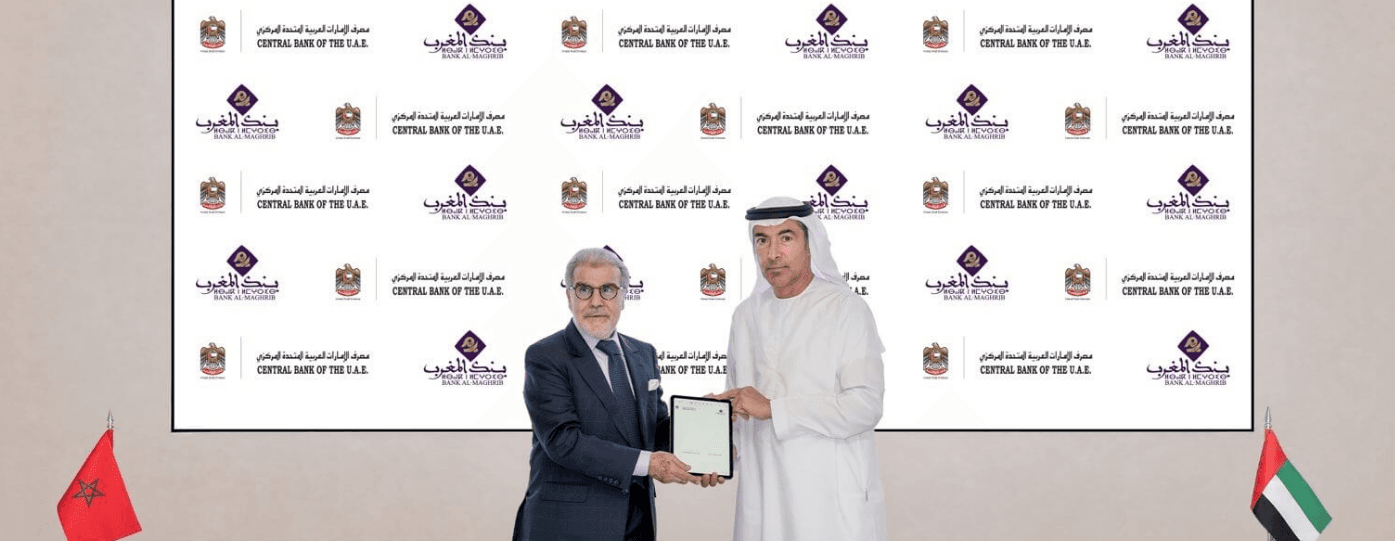
UAE and Morocco Deepen Financial Ties With Payment and CBDC Agreements
News Desk
Oct 9, 2026
5 min