Advertisement
Tokenization Infrastructure
Share
CA
Senior Arabic Editor


The summer of 2025 delivered one of crypto’s most defining moments. On August 14, Bitcoin hit a new all-time high of over $124,000 (peaking around $124,210–$124,480 depending on the exchange), while Ethereum climbed to $4,797 — just shy of its standing all-time high of $4,891.70 set on November 16, 2021. The simultaneous peaks underscored a resurgent market and renewed confidence in the two largest digital assets.
These gains have been fueled by unprecedented institutional inflows, much of it through exchange-traded funds. Bitcoin and Ethereum spot ETFs have become some of the fastest-growing ETF products in U.S. history. Solana has also joined the race — but in a different way. Its debut came via the REX-Osprey Solana + Staking ETF (SSK), the first U.S.-listed fund to combine SOL exposure with staking rewards, rather than a pure spot product. While not the same structure as the spot BTC and ETH ETFs, it marks a significant step in bringing Solana into regulated U.S. markets.
Meanwhile, applications for XRP, Litecoin, and Avalanche spot ETFs remain under SEC review, with decisions expected later this year.
Price milestones and ETF launches aren’t the only forces shaping the market this summer. Stablecoins — the quiet workhorses of blockchain transactions — now account for the majority of on-chain settlement volume. Their utility spans cross-border payments, remittances, and institutional settlement, making them indispensable to real-world adoption.
In the UAE, the Central Bank’s Payment Token Services Regulation (PTSR) has created a comprehensive framework for issuing and managing fiat-backed stablecoins within the country, while ADGM’s fiat-referenced token rules are attracting global issuers. Together, these measures are building a high-trust environment for digital asset adoption across the MENA region.
Dubai’s Virtual Assets Regulatory Authority (VARA) has now issued 36 Virtual Asset Service Provider (VASP) licenses, covering activities from exchange and brokerage to custody and staking. This milestone reflects both strong market demand and Dubai’s intention to position itself as a global hub for regulated digital assets.
In May 2025, VARA expanded its scope into tokenization, formally introducing the Asset-Referenced Virtual Asset (ARVA) category within its Virtual Asset Issuance Rulebook. This move signals Dubai’s intent to regulate and enable the issuance of real-world asset (RWA) tokens — a category that could reshape capital markets infrastructure.
Potential RWA Categories Under VARA’s Scope:
This push aligns with moves by other UAE financial centers. ADGM has already been active in enabling RWA tokenization under its securities regimes, while DIFC’s DFSA approved its first tokenized money-market fund in July 2025. If VARA harmonizes its approach with ADGM and DIFC, the UAE could present a unified, multi-jurisdictional proposition for global issuers.
For Omar Abbas, CEO of ADGM-based trading platform BurjX, this emphasis on regulated, secure access reflects the direction of the market.
“After just one month live, we’re seeing strong traction,” Abbas says. “ADGM-based firms are reaching out because they view BurjX as the leading crypto trading platform that combines regulated custody, institutional-grade security, access to over 100 coins, and a seamless mobile and web experience — a standard that’s been missing in the region.”
BurjX is also preparing to launch Shariah-compliant trading services, an increasingly in-demand feature in the Middle East.
“We’re also seeing increased demand for Shariah-compliant services, which is a key differentiator and part of our near-term roadmap. Clients are genuinely excited about it,” Abbas notes.
As summer 2025 draws to a close, the message is clear: while BTC’s new record and ETH’s near-ATH dominate headlines, the deeper forces shaping the market are ETFs, stablecoins, and tokenization — all underpinned by regulators building the frameworks for long-term trust.
“Bitcoin, Ethereum, and now Solana and XRP, are driving trillions in market value,” Abbas says. “But the real story is the rising demand for regulated, secure access. That’s what will shape the next wave of adoption.” In a year defined by milestones, trust — not just price — may prove to be crypto’s most valuable asset.

Disclaimer of Warranty
The information provided in this article is for general informational purposes only. We make no warranties about the completeness, reliability, and accuracy of this information. Read full disclaimer

Editor's Picks

As U.S. Crypto Legislation Stalls, Circle Launches Its Own Financial Network

Walid Abou Zaki

Sep 16, 2026

9 min
Stablecoin Yield Fight Helps Derail CLARITY Act in Senate
Walid Abou Zaki
Sep 15, 2026
8 min
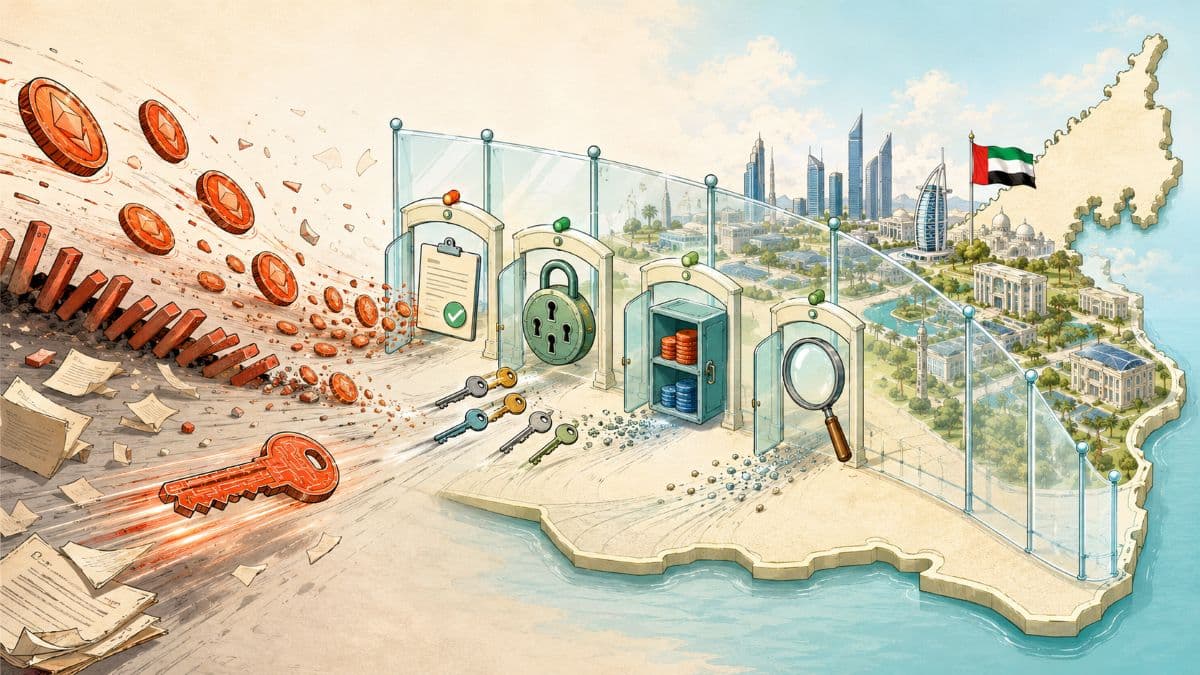
Why Zondacrypto’s Collapse Would Unfold Differently in the UAE
Walid Abou Zaki
Aug 28, 2026
8 min
Read More Articles

In the Same Space
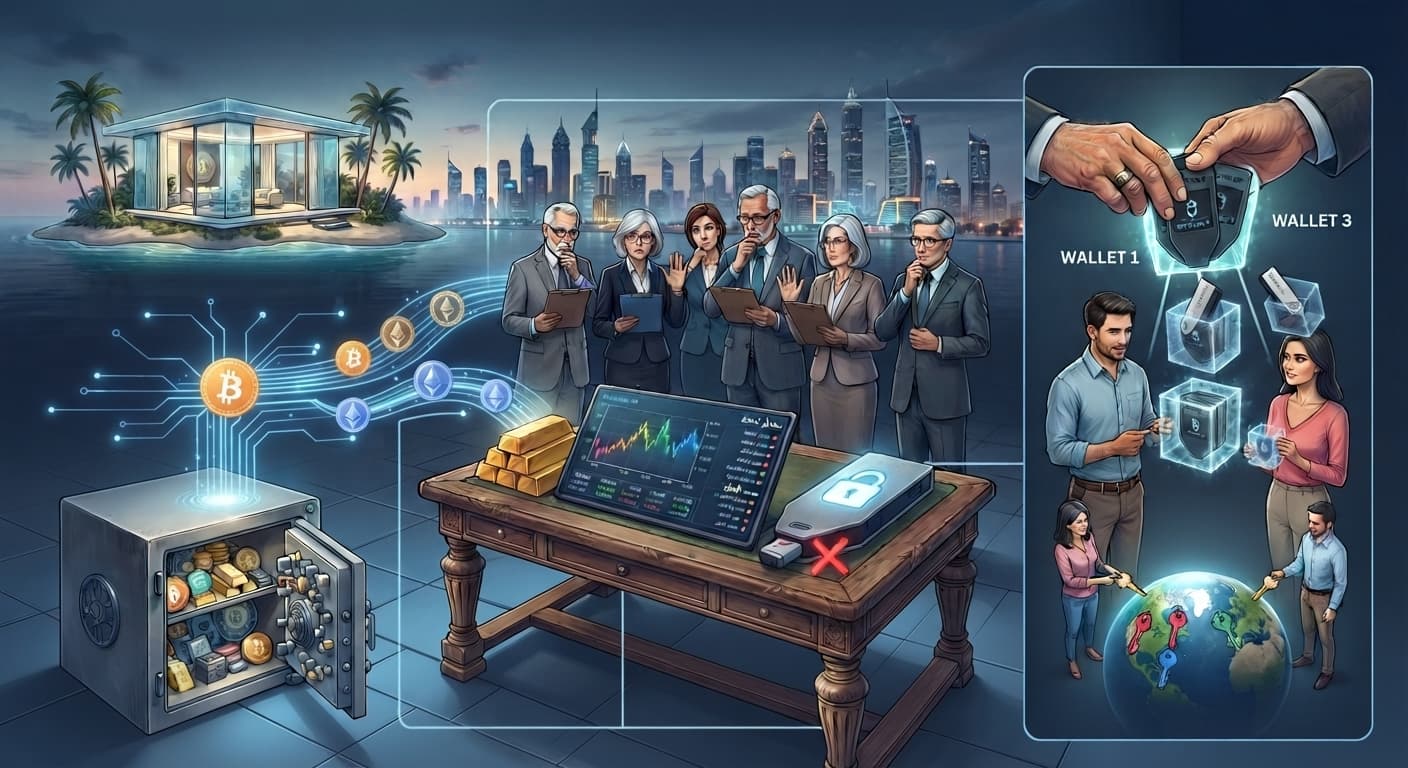
Crypto Wealth Is Growing, but Traditional Wealth Infrastructure Is Not Ready
News Desk
Sep 10, 2026
4 min
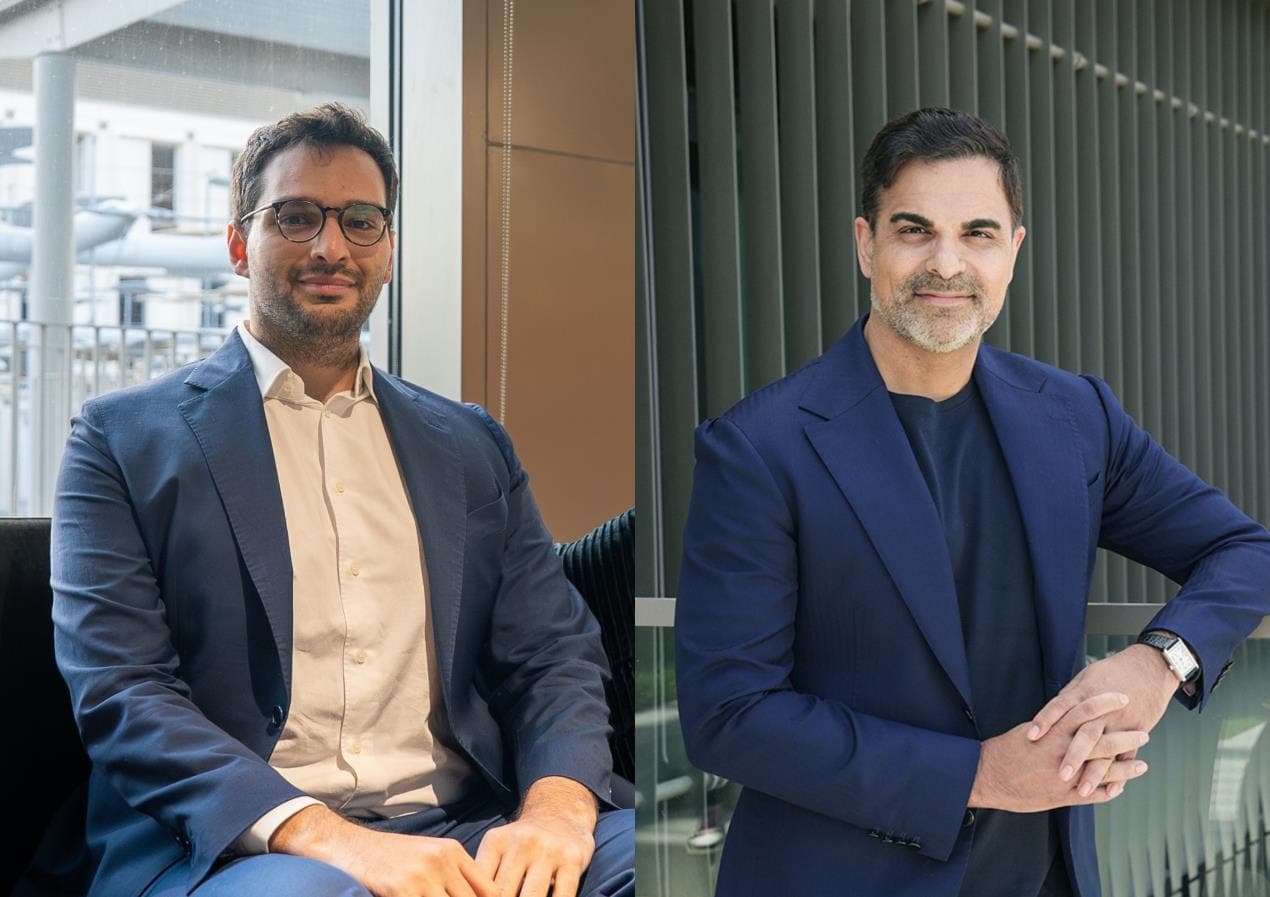
UAE's Fuze Finance Expands Into Switzerland With Regulated Crypto Infrastructure and Institutional Push
Anna K.
Sep 8, 2026
4 min
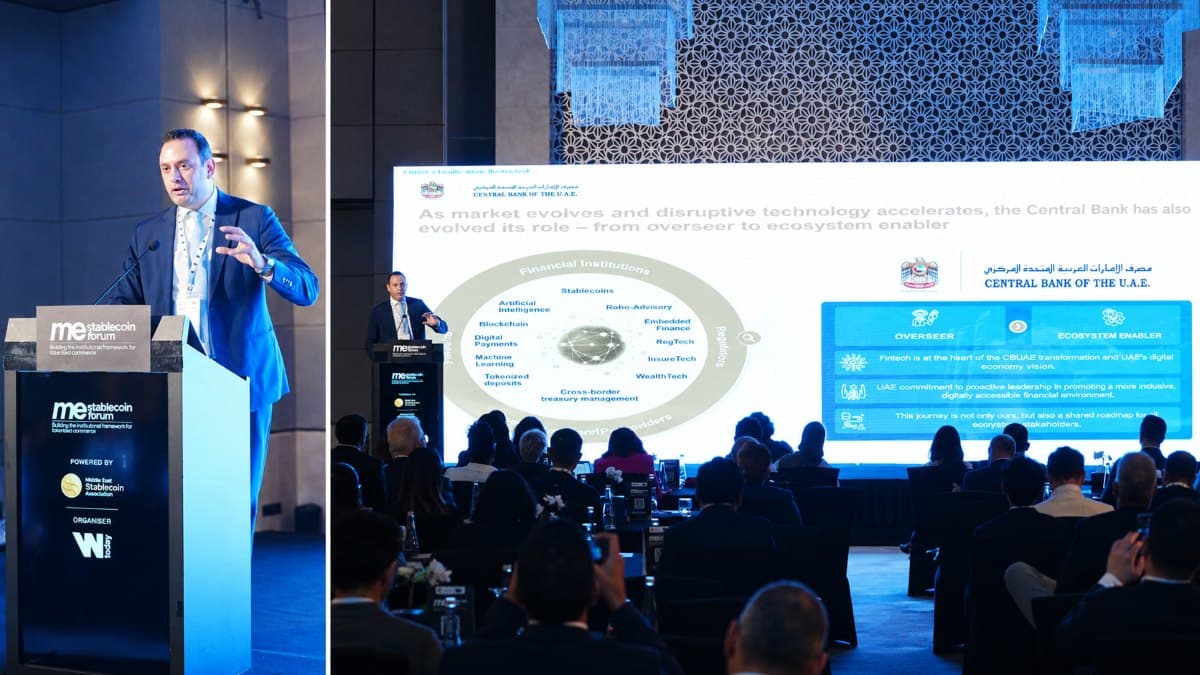
UAE Stablecoin Market Expands as Digital Dirham Enters Next Phase
News Desk
Sep 18, 2026
7 min
Lunar Ark Secures VARA In-Principle Approval for Virtual Asset Brokerage
News Desk
Sep 17, 2026
2 min