Advertisement
Stablecoins & Payments
Share
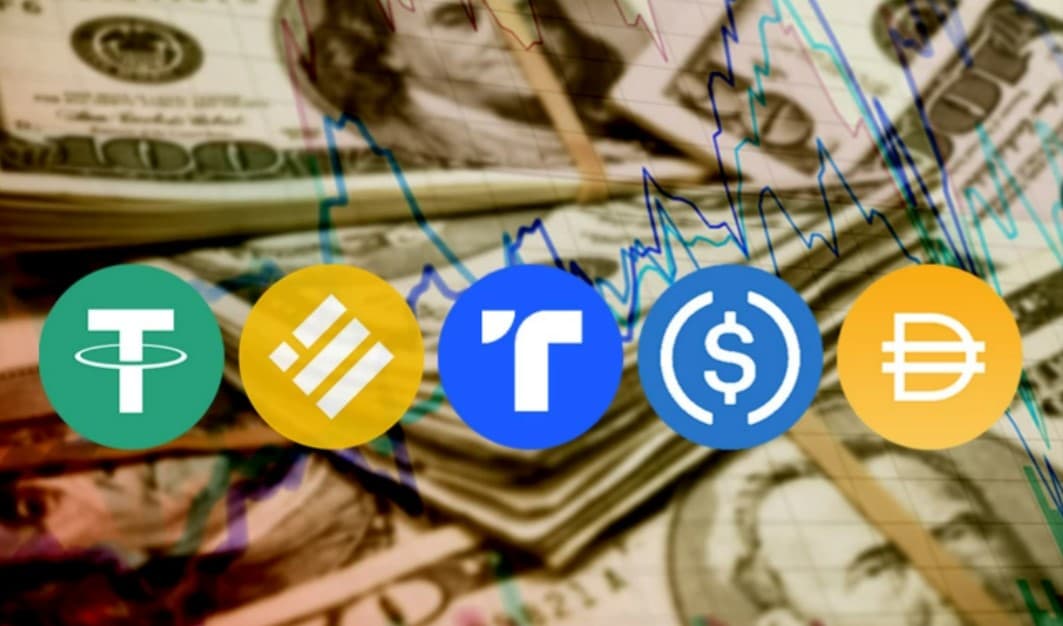
S&P Global has downgraded its rating of Tether (USDT) — the world’s largest stablecoin — citing rising exposure to higher-risk assets and ongoing gaps in transparency.
The agency cut Tether’s rating to “5 (weak)”, the lowest score on S&P’s 1–5 stablecoin risk scale, down from “4 (constrained)”.
S&P introduced this specialized rating system in 2023 to evaluate the risk profiles of major stablecoins pegged to traditional fiat currencies such as the U.S. dollar.
Tether pushed back strongly against the downgrade, stating it “disagrees with the characterization” made. According to the company, S&P used “a legacy framework” that does not reflect the unique nature, growth, resilience, and global economic role of digitally native assets like USDT.
The company, headquartered in El Salvador, says it has issued approximately $184 billion in dollar-pegged tokens, backed by reserves that include U.S. Treasuries and other assets to ensure 1:1 redemption.
In its report, S&P highlighted that Tether has increased its holdings in bitcoin, gold, secured loans, corporate bonds, and additional investments over the past year.
The agency noted that these assets come with “limited disclosures” and remain vulnerable to credit, market, interest-rate, and foreign-exchange risks.
S&P also criticized the company for offering limited insight into the creditworthiness of its custodians, counterparties, and banking relationships.
While pointing to transparency issues, S&P acknowledged that Tether has maintained strong price stability, even during periods of heightened cryptocurrency market volatility.
Tether emphasized this point in its response, stating it has processed “billions in redemptions” while maintaining its peg and operational continuity during market shocks.
Tether further argued that USDT plays a systemically important role in several emerging markets, where it says the token is frequently used as a practical substitute for local currencies.

Disclaimer of Warranty
The information provided in this article is for general informational purposes only. We make no warranties about the completeness, reliability, and accuracy of this information. Read full disclaimer

Editor's Picks
In the Same Space
BIS Warns Stablecoins Could Weaken Capital Controls in Emerging Markets

News Desk

Jul 22, 2026

3 min

MENA Emerges as the World's Fastest-Growing Stablecoin Market, Led by the UAE
News Desk
Jul 21, 2026
4 min
Visa Expands Stablecoin Services with New Platform for Financial Institutions
News Desk
Jul 17, 2026
3 min
Tether's Gold-Backed XAU₮ Earns Sharia Certification, Expanding Access to Islamic Finance
News Desk
Jul 27, 2026
4 min