Advertisement
Stablecoins & Payments
Share

SN
Senior English Editor


SBI Holdings is launching JPYSC, Japan's first trust-based yen stablecoin under the Payment Services Act, as the UAE and Europe simultaneously advance bank-issued, regulation-first stablecoin frameworks — collectively reshaping cross-border settlement infrastructure.
A new phase in global digital finance is emerging as major financial jurisdictions move beyond experimentation and toward regulated stablecoin infrastructure. The launch of SBI Holdings’ JPYSC in Japan adds another layer to a growing international shift in which sovereign currencies are increasingly being digitized through bank-issued, regulation-first stablecoin frameworks.
Rather than isolated developments, Japan’s move now sits within a broader architectural trend spanning Europe, the Middle East, and Asia, where regulated digital currencies are being positioned as core settlement instruments for the next generation of financial markets.
Japanese financial group SBI Holdings is preparing to launch JPYSC, a regulated yen-denominated stablecoin that will operate under Japan’s Payment Services Act as a Type 3 Electronic Payment Instrument.
The structure makes JPYSC one of the first trust-based stablecoins in Japan’s financial system, issued and redeemed through SBI Shinsei Trust & Banking, with distribution handled via SBI VC Trade.
Unlike offshore stablecoins, JPYSC is designed to function within Japan’s regulated banking infrastructure, enabling higher-value digital remittances beyond the domestic one-million-yen transaction cap and creating a compliant foundation for digital yen settlement.
The technical infrastructure is being developed by Startale Group, which is building smart contracts and API systems aligned with Japan’s evolving regulatory framework, with a focus on institutional-grade compliance and integration.
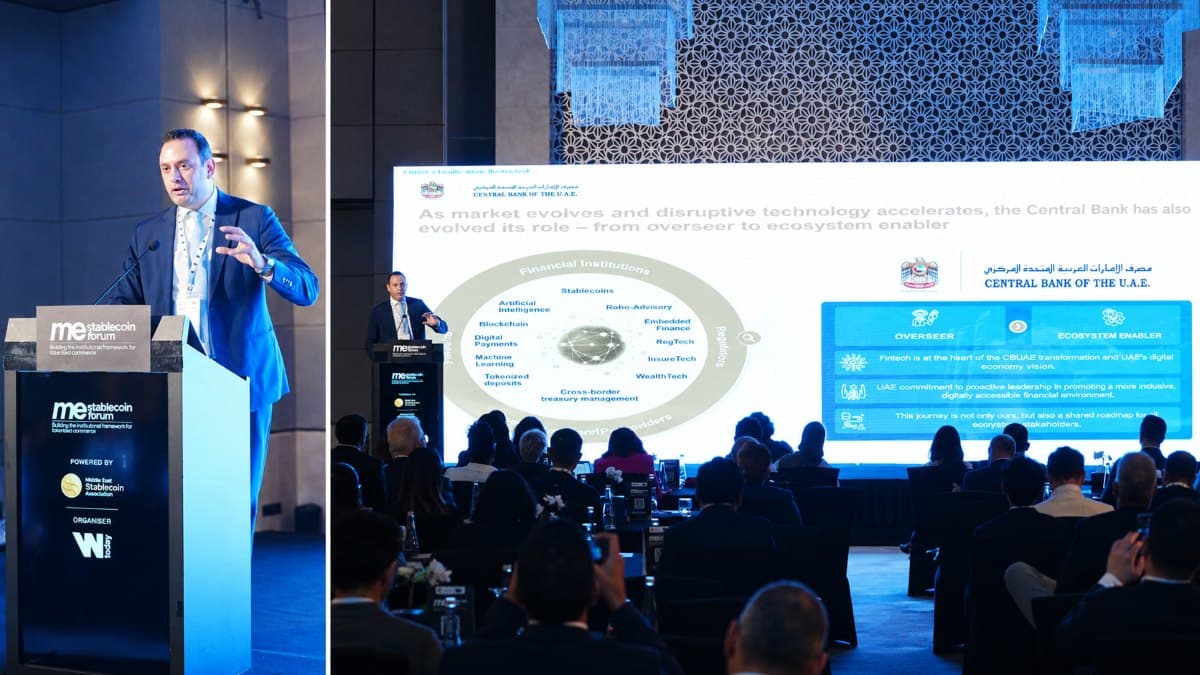
The United Arab Emirates has emerged as one of the most advanced jurisdictions for regulated stablecoin development, where issuance is progressing from policy design into active deployment through licensed financial institutions under central bank-aligned oversight. Rather than treating stablecoins as external crypto instruments, the UAE positions them as regulated payment infrastructure embedded directly within the national financial system.
This framework is already translating into real-world issuance. One of the earliest examples is FAB’s Digital Dirham / Dollar Stablecoin Concept (DDSC), which was approved under central bank-aligned regulatory pathways and represents one of the first structured efforts to formalize bank-issued stablecoin instruments within the UAE financial system
This approach positions stablecoins as regulated payment instruments embedded directly into national financial infrastructure rather than external crypto assets.
A second layer of deployment includes bank-issued AED-backed stablecoins designed for blockchain-based payments and settlement systems. UAE-based digital bank Zand has launched an AED-backed stablecoin on a public blockchain, marking a shift from regulatory design into operational deployment of dirham-denominated digital currency instruments for payments and settlement use cases.
The UAE model highlights a more execution-driven phase of stablecoin adoption, where regulatory clarity is translating into real-world issuance and payment use cases rather than conceptual policy development.
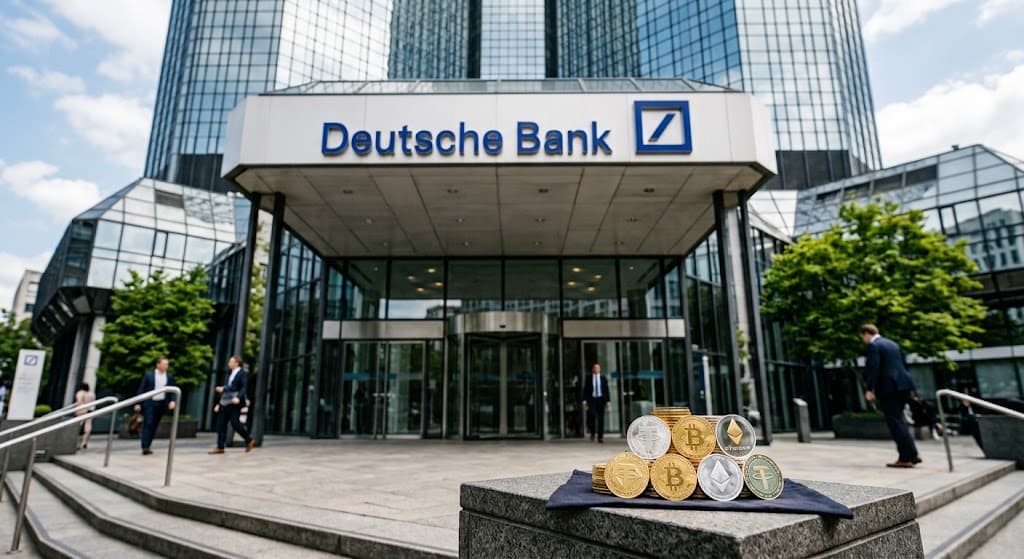
In parallel, Europe is advancing a consortium-driven model for euro-denominated stablecoins, where regulated banking institutions are coordinating the development of digital currency systems aimed at strengthening euro liquidity and cross-border settlement capabilities. This initiative reflects a broader effort to maintain monetary relevance in digital markets by anchoring stablecoin issuance within the traditional banking sector rather than external crypto-native entities.
The European framework is also expanding through increased participation from banking institutions preparing for regulated euro stablecoin issuance, signaling a gradual scaling of institutional commitment across the region.
At the infrastructure level, Europe is simultaneously integrating blockchain-based settlement into traditional financial messaging systems, including initiatives where regulated institutions connect tokenized assets to Swift-based settlement rails. This reflects a hybrid architecture where legacy banking infrastructure and blockchain settlement systems are being unified rather than replaced.
Taken together, the developments in Japan, the UAE, and Europe suggest an emerging convergence toward a multi-jurisdictional stablecoin settlement layer. While each region follows a different regulatory philosophy—Japan focusing on trust-based issuance within banking structures, the UAE prioritizing live regulatory execution, and Europe advancing consortium-driven euro liquidity systems—the underlying trajectory is increasingly aligned.
Japan’s regulated yen stablecoin introduces a formalized domestic digital currency model, the UAE demonstrates real-world deployment of bank-issued stablecoins within national financial systems, and Europe is building institutional frameworks to scale euro-denominated digital liquidity across banking networks.
This convergence points toward a future financial architecture in which sovereign-backed digital currencies operate as interoperable settlement instruments across jurisdictions, integrated into both traditional banking infrastructure and blockchain-based settlement networks.

Disclaimer of Warranty
The information provided in this article is for general informational purposes only. We make no warranties about the completeness, reliability, and accuracy of this information. Read full disclaimer

Editor's Picks
In the Same Space

USDU Expands UAE Reach With Crypto.com App Integration

News Desk

Sep 10, 2026

4 min

Where Do the Dollars Behind the UAE’s Crypto Economy Sit?
Anna K.
Sep 21, 2026
9 min

CoinMENA Becomes First Digital Asset Platform Live in Jordan’s Regulatory Sandbox
Anna K.
Sep 21, 2026
3 min

VARA Approves Alya Marrakchi as Managing Director of GC Exchange FZE
Chantal Assi
Sep 21, 2026
4 min