Advertisement
Exchanges & Trading
Russia’s largest bank plans to offer Bitcoin, Ether and USDT through its banking platforms from December 1 under the country’s new regulated crypto framework.
Share
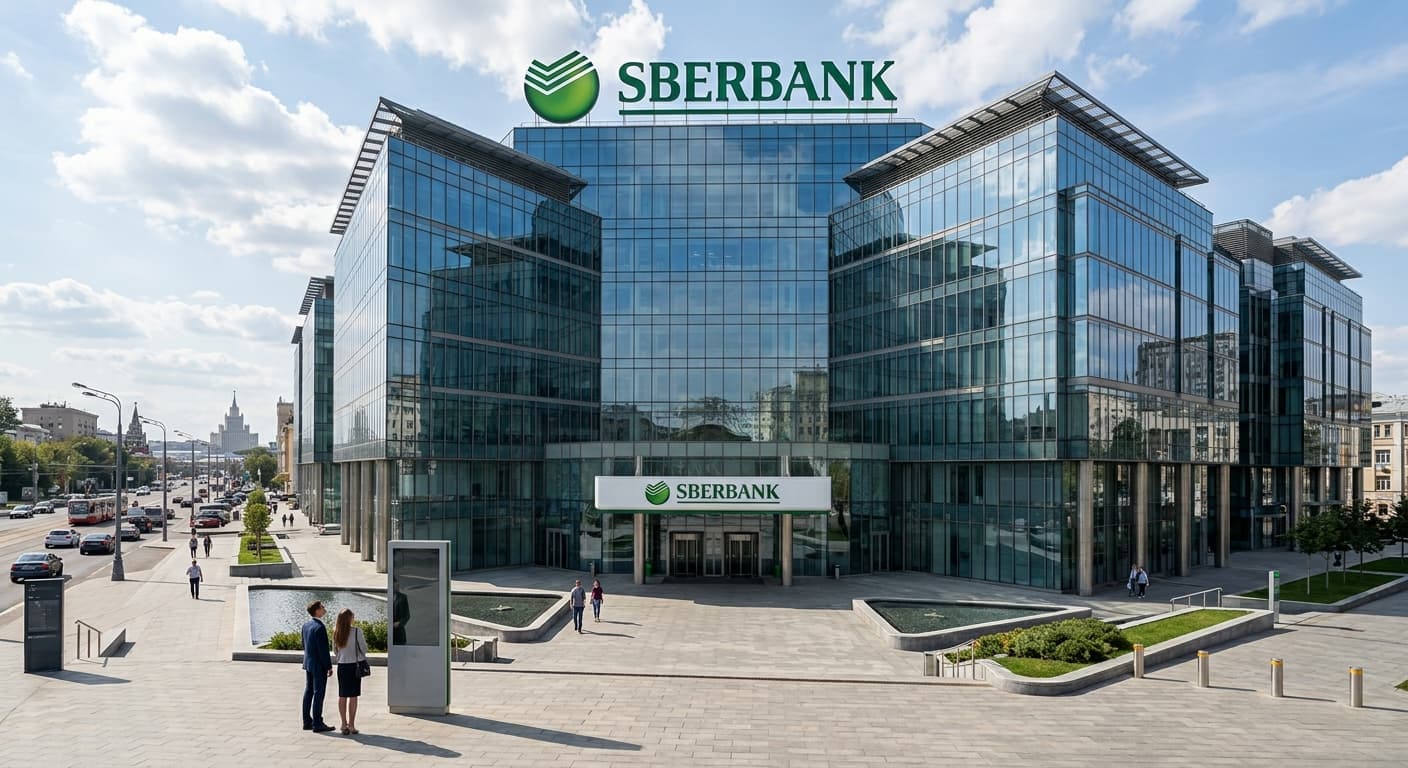
Sberbank has received Bank of Russia approval to operate as a cryptocurrency exchange provider and plans to offer Bitcoin, Ether and USDT through its banking platforms from December 1, giving Russia's largest lender by retail customers a regulated position covering both exchange and custody functions.
Sberbank, Russia’s largest lender, has received approval from the Bank of Russia to operate as a cryptocurrency exchange provider, clearing the way for the bank to offer digital-asset trading directly to its customers.
The central bank added Sberbank to its register of organizations authorized to exchange digital currencies on October 12, six days after registering the lender as a digital depository. The two approvals give Sberbank a regulated position covering both cryptocurrency exchange activity and the recording of clients’ digital-asset holdings.
Sberbank plans to launch its first crypto products on December 1 through SberBank Online, SberInvestments and SberBusiness. The initial assets are expected to include Bitcoin, Ether and Tether’s USDT, although the final list of permitted cryptocurrencies will depend on the Bank of Russia’s regulatory framework.
The planned service would allow customers to access cryptocurrency trading through platforms they already use for banking and investment services rather than through a separate crypto exchange.
Sberbank has already been testing cryptocurrency purchases, sales, deposits and withdrawals through its SberBank Online application. The bank has said the December 1 rollout remains dependent on the completion of secondary regulations governing the new market.
The scale of Sberbank’s customer base makes the move particularly significant. The lender had more than 110 million retail customers at the end of the second quarter, giving it an established distribution channel for regulated digital-asset services.
The bank’s registration as a digital depository also gives it a role in recording ownership and transfers of digital currencies, creating a framework in which trading and custody-related functions can sit within the same banking ecosystem.
Sberbank’s approval follows the September 1 introduction of Russia’s new regulated cryptocurrency market.
The framework moves cryptocurrency trading toward registered intermediaries while maintaining restrictions on how digital assets can be used domestically. Retail investors classified as non-qualified investors face a 300,000-ruble annual purchase limit per intermediary, while investors must also meet applicable knowledge-testing requirements.
Russia continues to prohibit the use of cryptocurrencies to pay for goods and services domestically. The new framework therefore creates a distinction between regulated crypto investment and the use of digital assets as a means of payment.
Unlock Blockchain previously reported on the regulatory shift in Russia Opens Regulated Crypto Market as Sberbank, VTB Enter First Registries, when Sberbank and VTB were among the financial institutions entering the country’s new digital-asset registries.
The development also follows earlier proposals to route domestic crypto activity through licensed intermediaries. Unlock Blockchain covered those plans in Russia Moves to Restrict Crypto Trading to Licensed Intermediaries.
The exchange authorization adds another component to Sberbank’s growing digital-asset strategy.
The bank has already moved into crypto-backed lending. In August, Unlock Blockchain reported that Sberbank planned to expand its lending program beyond Bitcoin to include Ether and USDT as potential collateral under Russia’s emerging regulated crypto market.
That initiative followed a Bitcoin-backed lending pilot involving mining company Intelion Data in December 2025.
Sberbank has also been active in blockchain infrastructure and digital financial assets. Its earlier experiments include integrating its proprietary blockchain platform with Ethereum and MetaMask, while the bank has continued developing products around tokenized and digital assets.
The latest approval therefore extends an existing digital-asset strategy into regulated spot cryptocurrency trading.
While Sberbank’s entry could bring cryptocurrency trading to a much larger pool of Russian users, access will remain subject to the country's investor-protection rules.
Non-qualified investors face the annual purchase limit and knowledge-test requirements, while cryptocurrency payments remain prohibited inside Russia. The regulatory framework also gives the Bank of Russia control over which digital assets can be traded through regulated channels.
For Sberbank, the December launch would mark a shift from experimenting with blockchain and crypto-linked financial products to offering direct cryptocurrency trading through one of Russia’s largest banking networks.
If the planned rollout proceeds, Bitcoin, Ether and USDT will move from being assets accessed primarily through specialized crypto platforms into a regulated product offered through a mainstream Russian bank.
The development underscores how Russia’s approach to digital assets has shifted from proposals for broad restrictions toward a controlled market in which banks, custodians and other regulated intermediaries play a central role.

Disclaimer of Warranty
The information provided in this article is for general informational purposes only. We make no warranties about the completeness, reliability, and accuracy of this information. Read full disclaimer

Editor's Picks
In the Same Space
Russia Opens Regulated Crypto Market as Sberbank, VTB Enter First Registries

News Desk

Oct 7, 2026

4 min
3iQ Secures In-Principle ADGM Approval for UAE Expansion
News Desk
Oct 12, 2026
3 min

OKX UAE Adds Tokenized U.S. Stocks to Its VARA-Regulated Platform
Anna K.
Oct 12, 2026
4 min

Coinbase Completes Deribit Integration, Expanding Global Crypto Derivatives Access
News Desk
Oct 7, 2026
3 min