Advertisement
Regulation & Policy
Share
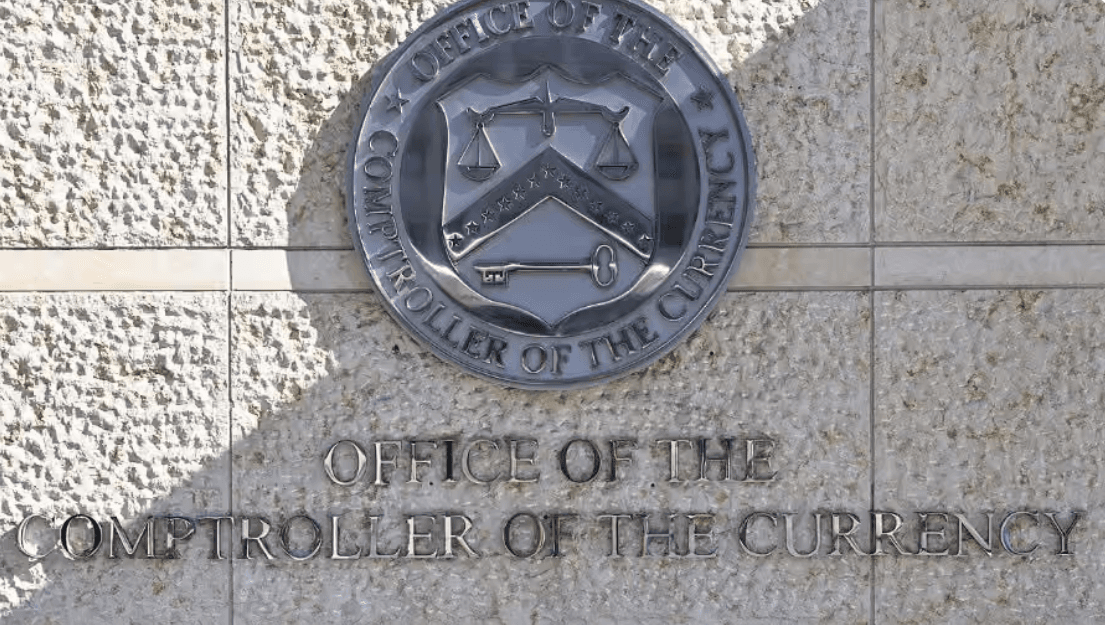
The OCC has finalized rules implementing the GENIUS Act, setting federal standards for payment stablecoin issuers and digital asset custody activities under its supervision, with the rule taking effect January 18, 2027.
The U.S. Office of the Comptroller of the Currency (OCC) has finalized rules implementing the GENIUS Act, establishing requirements for payment stablecoin issuers under its jurisdiction and certain digital asset custody activities conducted by entities it supervises.
Announced on October 21, the final rule establishes standards covering reserve assets, redemptions, risk management, reporting, supervision and capital requirements. It applies to permitted payment stablecoin issuers and foreign issuers subject to the OCC’s authority, as well as certain custody activities conducted by OCC-supervised entities.
The final rule follows the OCC’s earlier proposal to implement the GENIUS Act and takes effect on January 18, 2027, the same date the GENIUS Act is scheduled to take effect. The OCC said it would announce separately when it begins accepting applications and waiver requests from prospective permitted payment stablecoin issuers.
The final rule establishes a federal regulatory framework for payment stablecoin issuance by entities under the OCC’s jurisdiction. Its provisions cover reserve assets, redemption procedures, risk management, audits and reporting, alongside regulatory exami in nation and supervision.
The rules also address custody activities and establish requirements for applications and registrations, foreign issuers, and certain state-qualified issuers transitioning to the federal framework. The OCC said the final version incorporates feedback received from crypto companies, community banks, trade groups, academics and other stakeholders during the consultation process.
The OCC’s action is part of a wider federal effort to implement the GENIUS Act. The Federal Deposit Insurance Corporation has also advanced a proposed framework for stablecoin issuers under the GENIUS Act, addressing areas including reserve requirements and risk management for entities under its supervision.
The OCC’s rule does not cover every regulatory requirement under the GENIUS Act. Provisions concerning the Bank Secrecy Act, anti-money laundering and sanctions administered by the Office of Foreign Assets Control will be addressed through separate rulemaking coordinated with the U.S. Department of the Treasury.
Although the final rule establishes requirements for issuers under its supervision, the OCC has not yet announced when it will begin processing applications and waiver requests.
The agency said it would provide a separate announcement on the application process. Meanwhile, the Federal Reserve has separately proposed a framework covering stablecoin reserves and bank-affiliated issuers, reflecting the role of multiple federal agencies in shaping the regulatory framework.
The GENIUS Act was signed into law on July 18, 2025, creating a federal framework for payment stablecoins. It generally restricts issuance of payment stablecoins in the United States to permitted issuers, subject to the law’s provisions and exceptions. The OCC’s final rule advances implementation of the framework for issuers and activities falling within its remit.
The rule marks a further step toward putting the federal stablecoin framework into operation, although application procedures and separate rules covering anti-money laundering and sanctions requirements remain outstanding.

Disclaimer of Warranty
The information provided in this article is for general informational purposes only. We make no warranties about the completeness, reliability, and accuracy of this information. Read full disclaimer

Editor's Picks
In the Same Space

Philippines’ Largest Crypto Exchange Faces License Threat Over Gambling Links

News Desk

Oct 14, 2026

3 min

Who Gets the $5B Bitcoin Fortune? UK Ruling Complicates Victims’ Fight
News Desk
Oct 13, 2026
6 min

3iQ Secures In-Principle ADGM Approval for UAE Expansion
News Desk
Oct 12, 2026
3 min
Crypto Perpetual Futures at Risk? CFTC and CME Clash in High-Stakes Legal Battle
News Desk
Oct 20, 2026
5 min