Advertisement
Regulation & Policy
Share
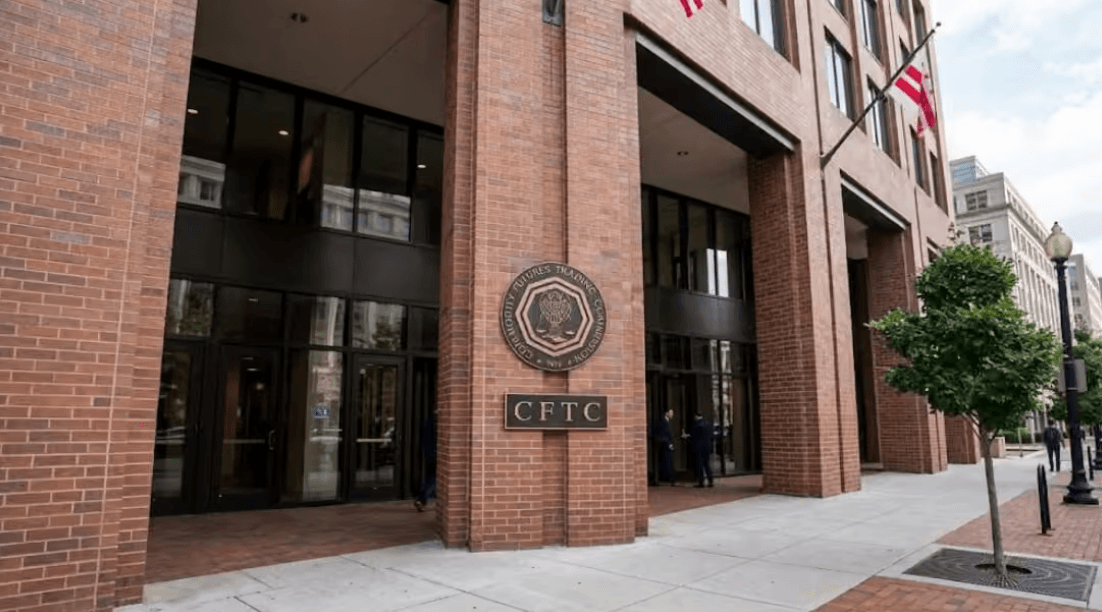
The CFTC sued Utah on October 27 to block state gambling laws from restricting federally regulated prediction markets, marking its tenth such legal challenge.
The US Commodity Futures Trading Commission (CFTC) has sued Utah to block the state from enforcing its gambling laws against federally regulated prediction markets, escalating a nationwide dispute over who has authority over event-based contracts.
Filed on October 27 in federal court in Utah, the lawsuit names the state and Attorney General Derek Brown. The CFTC argues that federal law gives it exclusive authority over derivatives traded on federally registered exchanges and that state restrictions interfere with that mandate.
The case follows Utah’s October 20 lawsuit against prediction market platform Kalshi, which the state accuses of operating an illegal gambling business. Utah is seeking to restrict several categories of contracts, including those tied to sports, elections and other events.
The CFTC’s lawsuit marks its tenth legal challenge against a state over restrictions on prediction markets. Previous actions have involved Arizona, Connecticut, Illinois, New York, Wisconsin, Minnesota, Rhode Island, New Mexico and Kentucky.
CFTC Chair Michael Selig has argued that event contracts fall under the agency’s federal oversight, while states maintain that sports-related contracts can constitute gambling subject to local laws.
Utah’s case against Kalshi intensified after a federal judge ruled in August that the Commodity Exchange Act did not prevent the state from enforcing its gambling restrictions against the platform. Kalshi appealed the ruling, but its request to block enforcement while the appeal proceeds was denied.
The competing legal actions put the federal government and state authorities on opposite sides of a dispute over how prediction markets should be classified and regulated.
Prediction market platforms allow users to trade contracts linked to the outcomes of future events, including sporting competitions, elections and economic developments. Operators such as Kalshi argue that their products are financial contracts subject to federal derivatives regulation.
States challenging the platforms argue that some contracts, particularly those tied to sports, function like bets and should fall under state gambling laws. Utah has also sought to restrict the platforms’ use of location-checking systems and recover money it alleges was collected illegally.
The disagreement has spread beyond Utah, with states pursuing legal action against prediction market operators and courts reaching differing conclusions about the limits of federal authority.
The outcome could affect whether platforms can offer the same event contracts nationwide under federal oversight or must comply with state-specific restrictions.
The regulatory pressure extends beyond Kalshi. Reuters reported on October 27 that the CFTC is investigating whether Polymarket violated a 2022 settlement requiring it to prevent US users from accessing its flagship offshore platform.
The inquiry reportedly examines the platform’s location-detection controls, US advertising and customer onboarding and protections on its newer US platform. The investigation does not necessarily mean the agency will bring an enforcement action.
The developments come as prediction markets expand their reach. The platforms have attracted interest from financial and crypto companies, while legal questions remain over how event contracts should be treated under US law.
The CFTC’s lawsuit against Utah adds another front to the national debate over prediction market oversight. The agency is seeking to establish that states cannot use gambling laws to restrict contracts traded on federally regulated exchanges.
State authorities, meanwhile, argue that federal derivatives rules should not prevent them from addressing products they consider illegal gambling.
The courts will play a central role in defining the boundary between these two positions. Until the legal disputes are resolved, prediction market operators face uncertainty over where and under what conditions they can offer event contracts to US users.

Disclaimer of Warranty
The information provided in this article is for general informational purposes only. We make no warranties about the completeness, reliability, and accuracy of this information. Read full disclaimer

Editor's Picks
In the Same Space

Crypto Bets $176M on Who Shapes US Digital Asset Rules

News Desk

Oct 28, 2026

4 min

Ripple Wins Federal Bank Approval as Hyperliquid Names Kraken Parent First CFTC-Regulated HIP-3 Deployer
Anna K.
Oct 27, 2026
5 min

Bitcoin Briefly Falls Below $80,000 as Fed Meeting and AI Selloff Rattle Markets
News Desk
Oct 26, 2026
4 min

Trump to Address Overseas Crypto Fraud as US Targets Scam Networks
News Desk
Oct 22, 2026
6 min