Advertisement
Companies & Deals
Share
SN
Senior English Editor


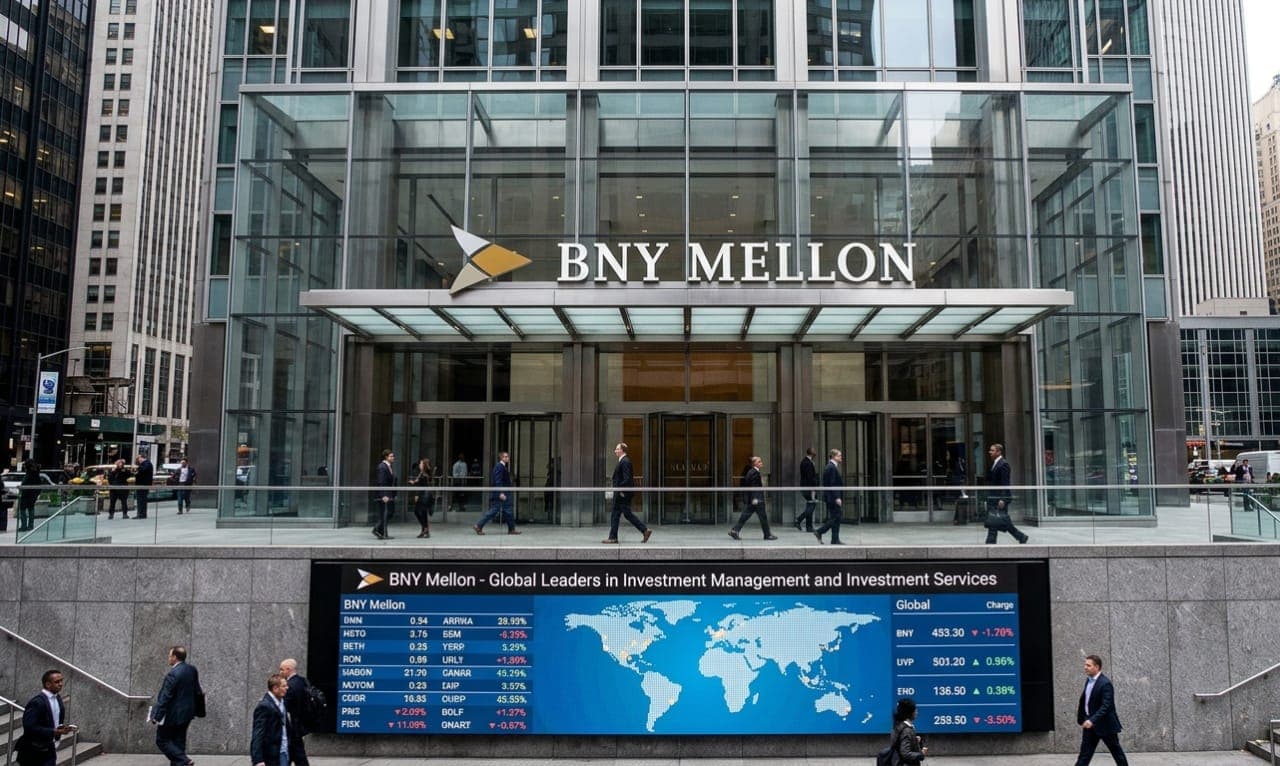
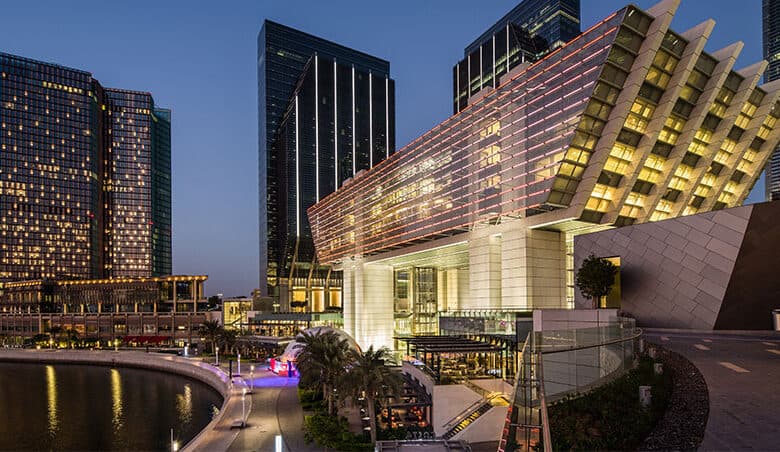
Global financial services institution BNY is expanding its digital asset custody footprint into the United Arab Emirates through a strategic collaboration with Finstreet and ADI Foundation, targeting institutional infrastructure development within the Abu Dhabi Global Market (ADGM).
The initiative will initially focus on custody services for Bitcoin and Ethereum, with plans to extend into stablecoins, tokenized real-world assets (RWAs), and other regulated digital financial instruments.
BNY, which oversees approximately $59 trillion in assets under custody and administration, becomes one of the largest global custodians to deepen institutional crypto infrastructure exposure in the Middle East. The bank is also the first U.S. global systemically important bank (G-SIB) to expand regulated custody services into the region.
According to the announcement, BNY will integrate Finstreet’s digital market ecosystem with ADI Foundation’s sovereign-grade blockchain infrastructure to deliver regulated, scalable, and locally anchored custody services aligned with ADGM’s institutional framework.
Hani Kablawi, Executive Vice Chair at BNY, said the UAE is entering “a new phase of financial development” driven by deeper capital markets, digital sophistication, and stronger global financial connectivity. He added that the collaboration aims to bridge traditional capital markets with blockchain-based financial systems.
Ajay Bhatia, Principal Council Member at ADI Foundation, described the initiative as a milestone in reinforcing Abu Dhabi’s position as a global digital asset hub.
The collaboration also reflects ADGM’s broader strategy to position itself as a regulated gateway for institutional digital asset infrastructure, attracting global custodians, tokenization platforms, and blockchain financial service providers under a structured regulatory framework.
The partnership also draws attention to the ADI blockchain ecosystem, which officially launched in December 2025. One of its early institutional implementations includes the DDSC stablecoin, developed in collaboration with First Abu Dhabi Bank following regulatory approval from the Central Bank of the UAE.
While still in early-stage deployment, DDSC reflects the UAE’s gradual buildout of regulated blockchain-based payment infrastructure across institutional networks.
BNY’s expansion comes amid a broader acceleration of tokenization and blockchain-based financial infrastructure across the UAE, where both Abu Dhabi and Dubai are positioning themselves as regulated hubs for digital asset markets.
Within this evolving framework, real-world asset (RWA) tokenization is gaining momentum, with property, funds, and traditional financial instruments increasingly being structured for blockchain-based issuance and settlement. Dubai’s real estate tokenization framework highlights how regulated pilots are evolving into structured market infrastructure.
At the same time, institutional tokenized finance adoption is expanding across the broader GCC, including Shariah-compliant structures and blockchain-based capital market solutions that reflect parallel development of both conventional and Islamic finance-aligned digital asset frameworks.
This institutional shift is also extending into global capital markets, where tokenized funds are increasingly being explored asinstitutional collateral, reflecting the growing integration of blockchain-based instruments into traditional financial market infrastructure.
BNY’s move into Abu Dhabi signals a structural shift in how regulated financial institutions are positioning within digital asset markets — not at the product layer, but at the infrastructure layer that underpins issuance, settlement, and asset mobility.
As tokenized instruments move closer to integration with regulated capital markets, custody is increasingly emerging as a central dependency rather than a supporting service. This shift places institutions like BNY at the intersection of traditional balance sheet infrastructure and blockchain-native settlement systems, where interoperability between regulated custody, token issuance, and compliant market access becomes essential.
Within this framework, jurisdictions such as the UAE are not only hosting digital asset activity but actively shaping the institutional architecture through which tokenized finance is expected to scale. The result is a gradual redefinition of custody itself — from safekeeping of assets to enabling programmable participation in tokenized financial systems.

Disclaimer of Warranty
The information provided in this article is for general informational purposes only. We make no warranties about the completeness, reliability, and accuracy of this information. Read full disclaimer

Editor's Picks
In the Same Space

VARA Approves Alya Marrakchi as Managing Director of GC Exchange FZE

Chantal Assi

Sep 21, 2026

4 min
Binance Launches Tokenized U.S. Stocks and ETFs in UAE With bStocks
News Desk
Sep 21, 2026
4 min
ADGM Puts DLT Foundation Audits and Disclosure in Focus
Walid Abou Zaki
Sep 23, 2026
7 min
UAE Stablecoin Market Expands as Digital Dirham Enters Next Phase
News Desk
Sep 18, 2026
7 min