Advertisement
Markets
Share
Global financial markets continued to face pressure as geopolitical tensions in the Middle East entered a fourth week, triggering declines across equities and commodities while Bitcoin showed relative resilience compared with traditional assets.
Asian stock markets fell for a third consecutive session, moving closer to correction territory, while bond yields climbed amid concerns that rising energy prices could fuel inflation and delay interest rate cuts by central banks.
Oil prices continued to rise as well, with Brent crude trading above $110 per barrel, reflecting ongoing concerns about supply disruptions linked to tensions around the Strait of Hormuz, one of the world’s most important energy shipping routes.
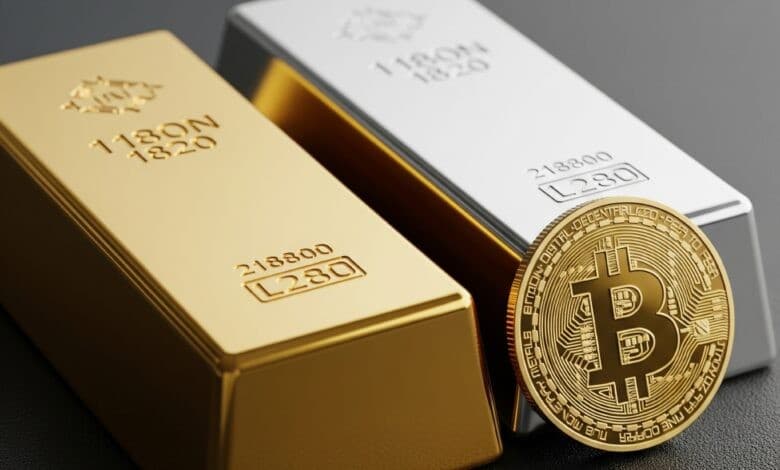
At the same time, gold extended its decline, falling for a ninth consecutive session in what analysts described as an unusual move given gold’s traditional role as a safe-haven asset during geopolitical crises.
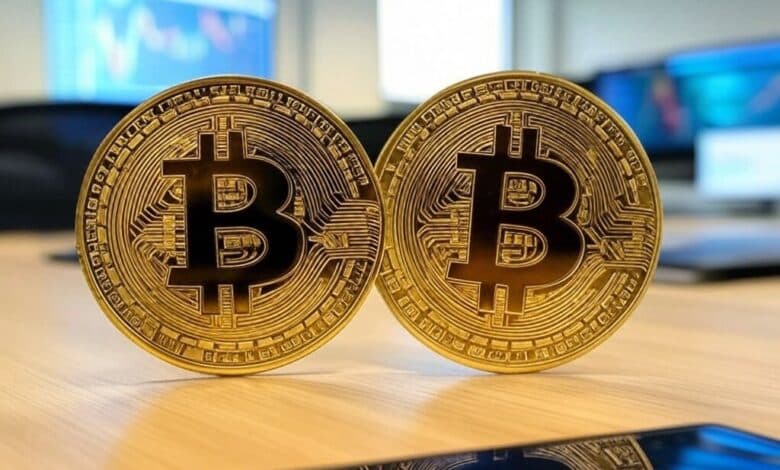
Bitcoin traded around $68,000, down roughly 6% over the past week, but remained above a key support level near $66,000, which has held during previous market sell-offs linked to the conflict.
While the broader crypto market also saw mixed performance, Bitcoin outperformed many traditional assets and several major cryptocurrencies during the recent period of volatility.
Ethereum posted modest gains over the past 24 hours, while XRP and Tron also saw slight increases. Other assets, including Solana and Dogecoin, recorded declines over the week.
Analysts say the unusual market behavior may reflect broader structural shifts rather than short-term market reactions alone.
Some market observers pointed to previous large-scale gold purchases by central banks, particularly in Asia, which may have influenced recent price movements as liquidity needs increased during the conflict.
Meanwhile, Bitcoin derivatives markets have remained relatively stable, suggesting continued institutional participation and underlying demand despite market uncertainty.
Rising oil prices remain a major concern for global markets. Analysts have warned that disruptions to oil supply could represent one of the largest supply shocks in recent years, potentially pushing inflation higher and complicating monetary policy decisions for central banks.
Higher energy prices typically increase inflationary pressure, which may lead central banks to keep interest rates elevated for longer than previously expected.
With geopolitical tensions ongoing, investors are closely watching developments in energy markets, inflation expectations, and central bank policy decisions.
For now, Bitcoin appears to be holding key technical levels despite broader market declines, reinforcing its growing role as an alternative asset that sometimes behaves differently from traditional safe havens such as gold.
However, analysts caution that market conditions remain highly sensitive to geopolitical developments, and volatility is likely to continue in the near term.

Disclaimer of Warranty
The information provided in this article is for general informational purposes only. We make no warranties about the completeness, reliability, and accuracy of this information. Read full disclaimer

Editor's Picks
In the Same Space

Binance Invests $100M in Circle, Extends USDC Partnership for Five Years

News Desk

Sep 22, 2026

2 min
Binance Launches Tokenized U.S. Stocks and ETFs in UAE With bStocks
News Desk
Sep 21, 2026
4 min
Deutsche Bank Moves Into Institutional Crypto Custody With Bitcoin, Ether and Stablecoins
News Desk
Sep 17, 2026
4 min
Ethiopia Slashes Bitcoin Mining Power by 77%, Why?
News Desk
Sep 16, 2026
6 min