Advertisement
Exchanges & Trading
Share
The Sepolia testnet of the Ethereum blockchain has successfully undergone an upgrade called "Shapella" that replicates the anticipated Shanghai hard fork set to occur on the mainnet in March.
This upgrade incorporates changes to allow validators to withdraw staked Ether from the Beacon Chain to the execution layer, which was previously restricted to a minimum of 32 ETH.
With this upgrade, validators can withdraw rewards exceeding 32 ETH and continue validating or withdraw all rewards and stop validating.
The next step is to release the upgrade on the Ethereum Goerli testnet before the Shanghai fork is launched on the mainnet.
Amid a recent increase in NFT trading activity on the Ethereum network, the fee market is gradually returning to its previous state.
On-chain analytics firm Glassnode has reported that the median price of gas used to power Ethereum transactions has increased from a range of 10 to 20 gwei over the past 9 months to 38 gwei this month.
This level is higher than during previous bear market events, such as FTX's collapse in November (36 gwei) and Binance's "bank run" in December (24 gwei).
Glassnode suggests that the rise in gas demand indicates an early resurgence of network activity.
Gas prices are dependent on network demand, meaning that the cost increases as more users attempt to include their transactions in the next Ethereum block.
In fact, the increasing activity in Ethereum's NFT market is believed to be the primary driver of the growing demand for gas.
Gas used by Ethereum NFT transactions has been increasing at an exceptional rate, rising by 97% for two consecutive months, approaching the levels observed during the "NFT boom" from mid-2021 to mid-2022.
This growth in activity is largely driven by Blur, an NFT marketplace launched in October that has overtaken OpenSea in terms of trading volume.
This recent surge in demand for block space has resulted in higher fees for validators and more ETH being burned via EIP1559.
The launch of new projects by major players in the industry, such as Yuga Labs' Dookey Dash game and the announcement of Doodles 2, are other factors driving NFT activity.
Despite this resurgence, the adoption rate of the Ethereum network remains low, with the number of new addresses generated still 40% below last year's figure.
This suggests that the recent revival in NFT activity has been driven by existing NFT users rather than new ones.
However, not all areas of the Ethereum ecosystem are experiencing increased revenue, as competition between OpenSea and Blur is constraining the funds available to many NFT projects that relied on secondary royalties for revenue, according to Doodle CEO Julian Holguin.

Disclaimer of Warranty
The information provided in this article is for general informational purposes only. We make no warranties about the completeness, reliability, and accuracy of this information. Read full disclaimer

Editor's Picks

As U.S. Crypto Legislation Stalls, Circle Launches Its Own Financial Network

Walid Abou Zaki

Sep 16, 2026

9 min
Stablecoin Yield Fight Helps Derail CLARITY Act in Senate
Walid Abou Zaki
Sep 15, 2026
8 min

Why Zondacrypto’s Collapse Would Unfold Differently in the UAE
Walid Abou Zaki
Aug 28, 2026
8 min
Read More Articles

In the Same Space

Hong Kong Prepares 24/7 CBDC Settlement System for Tokenized Deposits
News Desk
Sep 18, 2026
3 min

Glamsterdam Test Date Set: Can Ethereum Stop Fake-ID Block Hackers?
News Desk
Sep 18, 2026
3 min

JPMorgan Predicts Bitcoin Rally Against Gold Amid Shifting ETF Strategies
News Desk
Sep 18, 2026
3 min
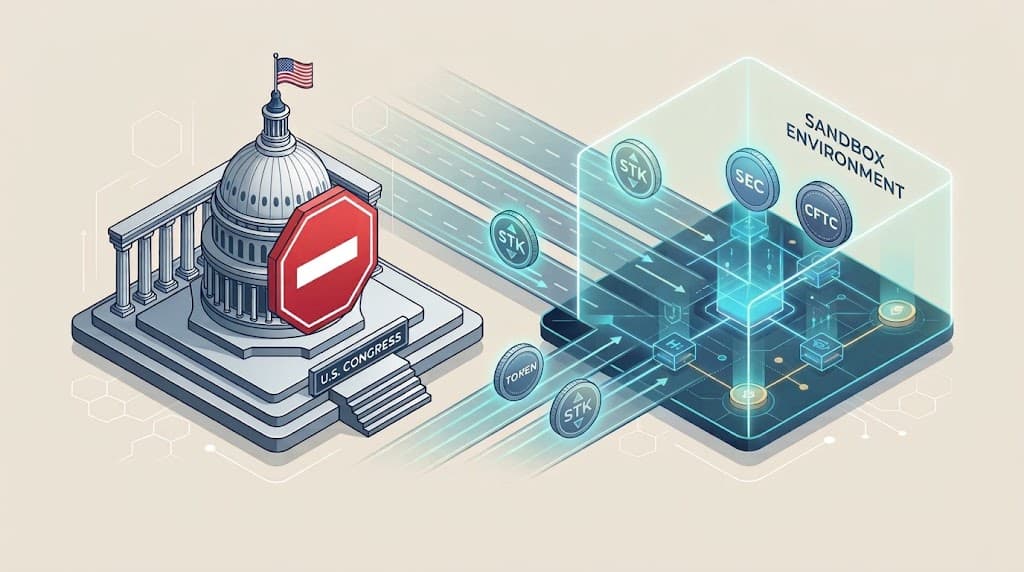
CLARITY Stalled. U.S. Crypto Regulation Didn’t.
Salma Naueihed
Sep 18, 2026
7 min