Regulation & Policy
Share
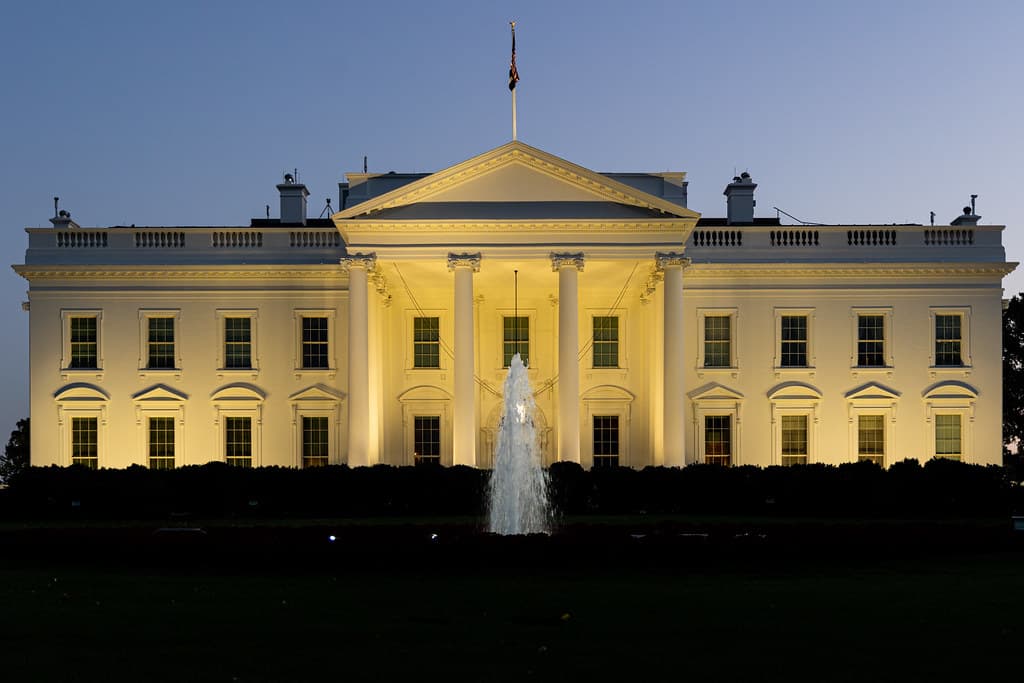
U.S. policymakers convened crypto and banking executives at the White House on Tuesday to discuss U.S. stablecoin yield regulation, a central issue delaying progress on crypto market structure legislation. Participants described the meeting as constructive but said it ended without agreement on whether stablecoin issuers should be permitted to offer yield.
The session marked the second in an ongoing series of discussions aimed at resolving disagreements between traditional financial institutions and crypto firms over the treatment of yield or rewards on payment stablecoins. The issue has become a key fault line in negotiations surrounding pending legislation that would define regulatory oversight of digital asset markets.
Banking representatives reiterated concerns that allowing stablecoin yields could divert deposits from regulated banks and introduce liquidity risks into the financial system. Crypto industry participants countered that prohibiting yield would limit product innovation and weaken the competitiveness of blockchain-based payment instruments.
Attendees included representatives from Ripple, Coinbase, the Crypto Council for Innovation, and the Blockchain Association, alongside major banks such as Goldman Sachs, Citi, and JPMorgan Chase, as well as trade groups including the American Bankers Association. Several participants said banking representatives maintained a firm position against any form of stablecoin yield.
According to a document shared with reporters, banking groups presented a framework of “prohibition principles” that would ban financial and non-financial benefits tied to holding, owning, or using payment stablecoins. The proposal called for strict enforcement measures, anti-evasion rules, and limitations on marketing practices that could suggest stablecoin rewards resemble bank deposits or insured interest.

Disclaimer of Warranty
The information provided in this article is for general informational purposes only. We make no warranties about the completeness, reliability, and accuracy of this information. Read full disclaimer
🚨NEW: Details from the White House stablecoin yield meeting, per banking and crypto sources in the room:
— Eleanor Terrett (@EleanorTerrett) February 11, 2026
People on both sides called the meeting ‘productive,’ but, again, no compromise was reached by the end of the meeting. However, deal specifics were discussed in more detail… pic.twitter.com/w5nPlG1DLi
The banking position exceeds the current draft of the crypto market structure bill, which would prohibit yield or interest on passive stablecoin holdings while allowing narrowly defined, activity-based incentives. Banks argued that any exemptions to a yield ban should be “extremely limited in scope.”
A source familiar with the meeting told The Block that crypto industry participants strongly opposed several aspects of the proposed principles, particularly provisions related to enforcement and anti-evasion. The source said discussions are expected to continue at the trade association level, though it remains unclear whether additional White House meetings will be held. Another source said responsibility for resolving the issue now appears to rest with the Senate Banking Committee.
Blockchain Association Executive Vice President Dan Spuller said banks did not negotiate based on the existing legislative text. In a post on X, Spuller described the meeting as a “smaller, more focused session” and identified the scope of yield prohibitions as a core unresolved disagreement.
Despite the impasse, crypto executives expressed optimism about the broader market structure bill, which would clarify regulatory jurisdiction between the Securities and Exchange Commission and the Commodity Futures Trading Commission.
Ripple Chief Legal Officer Stuart Alderoty said the meeting reflected continued bipartisan momentum behind crypto legislation, while Coinbase Chief Legal Officer Paul Grewal said discussions showed progress, though additional work remains.



Editor's Picks

Franklin Templeton’s 250 Digital Deal Signals a Shift Toward Active Crypto Management

Walid Abou Zaki

Apr 1, 2026

5 min

VARA Introduces Virtual Asset Derivatives Framework As Dubai Deepens Market Maturity
Walid Abou Zaki
Mar 31, 2026
7 min

Crypto-Collateral Mortgage Gap Signals Future Opportunity for Dubai
Walid Abou Zaki
Mar 28, 2026
7 min
Read More Articles

In the Same Space
VARA Introduces Virtual Asset Derivatives Framework As Dubai Deepens Market Maturity
Walid Abou Zaki
Mar 31, 2026
7 min
CFTC launches Innovation Task Force to shape crypto and prediction market rules
News Desk
Mar 25, 2026
5 min

UAE Digital Asset Regulations Move Into More Complex Ground With New CMA Rules
Walid Abou Zaki
Apr 2, 2026
6 min

Beyond the Noise, the UAE Is Still Building
Walid Abou Zaki
Apr 1, 2026
6 min