Regulation & Policy
Share
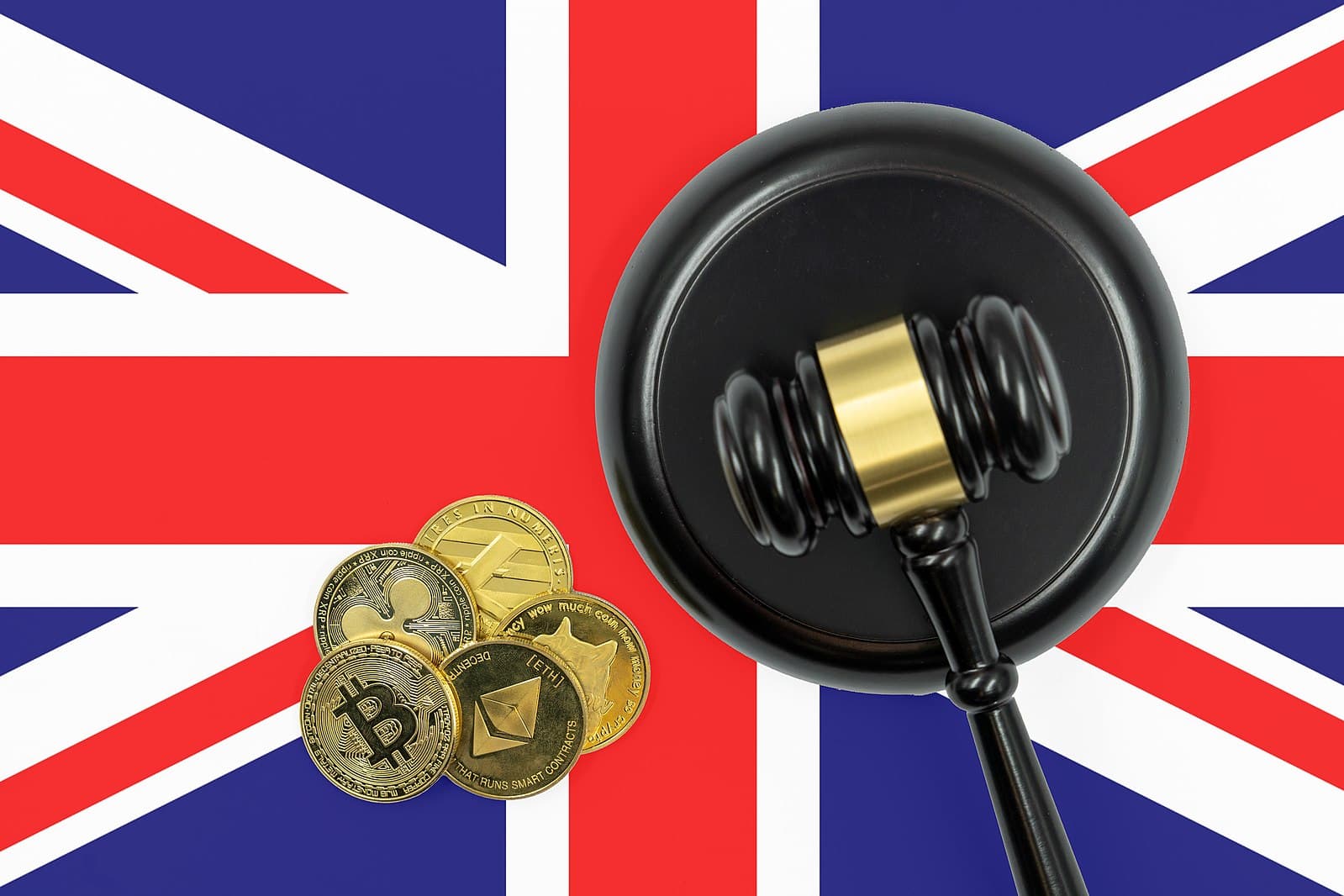
The United Kingdom is preparing to introduce its first comprehensive regulatory framework for stablecoins in 2026, marking a major shift in how digital assets interact with the country’s financial system. While the upcoming stablecoin rules won’t restrict access to major stablecoins like USDT and USDC on exchanges, they will directly influence how issuers such as Circle and Tether can expand into traditional payments and banking services in the UK.
The UK’s roadmap for stablecoin oversight is built around two main pillars:
The Bank of England’s regulatory regime for systemic stablecoins, and
Legislation bringing crypto activities under traditional financial regulation via amendments to the Financial Services and Markets Act (FSMA).
These measures are not designed to limit crypto trading or DeFi activity. Although updated FSMA rules require exchanges to operate with stricter standards—discouraging the listing of low-quality tokens—they stop short of enforcing definitive listing criteria. Crypto platforms retain autonomy in how they protect users, meaning widely used stablecoins like USDT and USDC are expected to remain accessible.
Instead, the regulatory focus lies in shaping future large-scale, payments-driven use cases, aligning stablecoin oversight with broader financial frameworks rather than restricting their role in digital asset markets.

Disclaimer of Warranty
The information provided in this article is for general informational purposes only. We make no warranties about the completeness, reliability, and accuracy of this information. Read full disclaimer
The FSMA amendments distinguish between activities conducted inside and outside the UK, creating strategic decisions for issuers. For example, Tether can continue issuing USDT offshore to UK-based customers, but integrating stablecoins directly into the UK’s payments infrastructure—or managing reserves domestically—would require registration with the Financial Conduct Authority (FCA).
Similarly, the Bank of England’s systemic regime is forward-looking. Its rules anticipate the emergence of a GBP-denominated stablecoin with systemic relevance, which would trigger enhanced requirements around asset reserves, custody, and oversight. In short, compliance will be mandatory for stablecoins seeking to operate at scale within the UK’s banking ecosystem.
With stablecoin adoption increasingly driven by institutional and payments use cases, both Circle and Tether must decide how deeply they want to embed themselves within the UK’s regulated financial perimeter.
Circle appears well-positioned, already registered as an Electronic Money Institution (EMI) with the FCA. This gives the issuer a strong foundation for securing additional approvals related to stablecoin issuance, expanding GBP payment rails, and forming partnerships with regulated custodians and banks.
Tether’s most pragmatic route is to remain offshore, maintaining its dominance in crypto markets while limiting exposure to UK rules. However, this strategy may cap its ability to drive payment-focused growth within the country and could require collaboration with regulated intermediaries. Its existing operational model also contrasts with the UK’s regulatory direction, where greater transparency and stricter reserve management are becoming the norm.
As the UK finalizes its stablecoin framework, issuers willing to embrace regulation may gain a competitive edge in mainstream financial adoption. Access to crypto trading will remain largely unchanged, but the real opportunity lies in connecting stablecoins to institutional payment rails, fintech platforms, and digital banking services—a space where compliance will increasingly determine who leads.



Editor's Picks

Franklin Templeton’s 250 Digital Deal Signals a Shift Toward Active Crypto Management

Walid Abou Zaki

Apr 1, 2026

5 min
VARA Introduces Virtual Asset Derivatives Framework As Dubai Deepens Market Maturity
Walid Abou Zaki
Mar 31, 2026
7 min

Crypto-Collateral Mortgage Gap Signals Future Opportunity for Dubai
Walid Abou Zaki
Mar 28, 2026
7 min
Read More Articles

In the Same Space

UAE Digital Asset Regulations Move Into More Complex Ground With New CMA Rules
Walid Abou Zaki
Apr 2, 2026
6 min

Beyond the Noise, the UAE Is Still Building
Walid Abou Zaki
Apr 1, 2026
6 min

Hong Kong Stablecoin Licenses Delayed Beyond March Target
News Desk
Apr 1, 2026
5 min
VARA Introduces Virtual Asset Derivatives Framework As Dubai Deepens Market Maturity
Walid Abou Zaki
Mar 31, 2026
7 min