Stablecoins & Payments
Share
Once celebrated as the most transparent and traceable digital currency, Bitcoin is losing its dominance in the darker corners of the crypto economy. According to recent reports, stablecoins have now become the primary vehicle for illicit financial activity, marking a major shift in how criminals move money across borders.
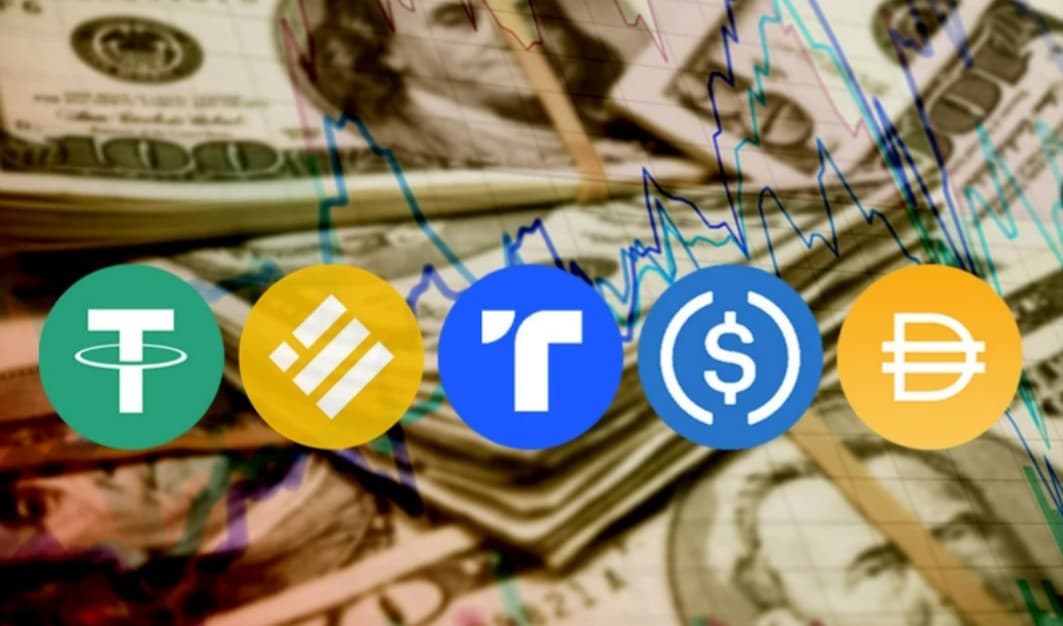
Stablecoins, cryptocurrencies pegged to traditional assets like the U.S. dollar, were designed to bring stability to volatile crypto markets. They underpin much of today’s decentralized finance (DeFi) ecosystem, enable instant cross-border payments, and provide liquidity to traders worldwide. Yet those same advantages (speed, accessibility, and price consistency) have made them increasingly attractive to bad actors seeking to evade detection.
Blockchain analytics firm Chainalysis revealed that in 2024, stablecoins accounted for roughly 63% of all illegal crypto transactions, overtaking Bitcoin for the first time. The data highlights a trend in which criminal networks are using stablecoins for laundering funds, executing scams, and bypassing banking controls.
Because stablecoin transfers settle within minutes and can move quietly through unregulated exchanges and private over-the-counter (OTC) markets, they have become a preferred option for transferring large sums across borders.
In some regions, the misuse is becoming localized. South Korean authorities, for example, have uncovered scams involving fake online listings, known as Oda Jangjip, that rely on stablecoin payments to defraud unsuspecting buyers.
International regulators are now paying closer attention. In a June 2025 report, the Financial Action Task Force (FATF) warned that the use of stablecoins by money launderers, terrorist financiers, and sanctioned entities continues to rise. It also highlighted the growing involvement of state-sponsored actors, including networks linked to North Korea.

Disclaimer of Warranty
The information provided in this article is for general informational purposes only. We make no warranties about the completeness, reliability, and accuracy of this information. Read full disclaimer
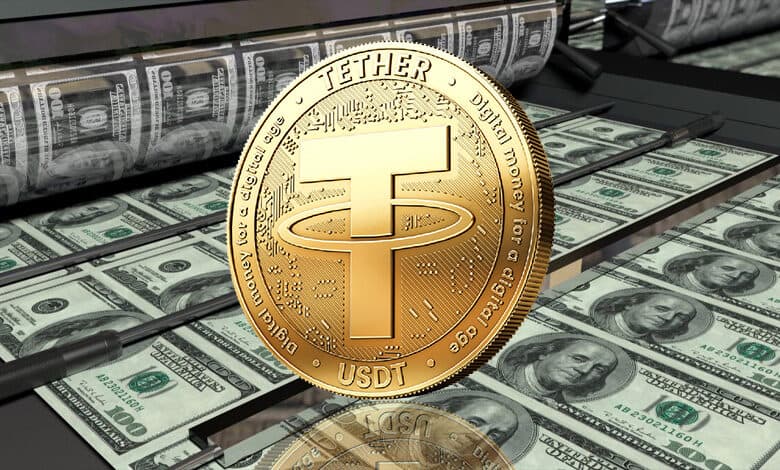
The United Nations Office on Drugs and Crime (UNODC) echoed similar concerns in its 2024 findings, noting that Tether (USDT) on the TRON blockchain has become a common tool for Southeast Asian criminal syndicates engaged in online fraud and large-scale laundering operations.
Although transactions are recorded on public ledgers, the pseudonymous nature of blockchain addresses and the use of mixers (tools that blend multiple transfers to obscure their origins) make tracing the flow of funds increasingly difficult.
To counter these risks, Chainalysis recommends tighter oversight from both institutions and individual users. The firm advises investors to:
For companies handling stablecoins, Chainalysis recommends continuous transaction monitoring, smart contract audits, and adherence to anti–money-laundering (AML) and know-your-customer (KYC) protocols to detect suspicious activity in real time.
Despite rising regulatory pressure, the stablecoin market continues to expand at a remarkable pace. Its total capitalization recently surpassed $313 billion, underscoring its growing role in both legitimate and illicit finance.
U.S. Treasury Secretary Scott Bessent recently projected that stablecoins could reach a $2 trillion market value within three years, as adoption widens across retail payments, DeFi applications, and institutional use cases.
As regulators tighten oversight and blockchain analytics improve, the balance between innovation and control will determine whether stablecoins remain a trusted instrument of digital finance or continue to power the internet’s underground economy.


Editor's Picks
VARA Introduces Virtual Asset Derivatives Framework As Dubai Deepens Market Maturity

Walid Abou Zaki

Mar 31, 2026

7 min

Crypto-Collateral Mortgage Gap Signals Future Opportunity for Dubai
Walid Abou Zaki
Mar 28, 2026
7 min

The UAE’s Institutional Digital Assets Moment: Why Regulatory Activation Matters Now
Walid Abou Zaki
Mar 27, 2026
6 min
Read More Articles

In the Same Space
Swift Advances Blockchain Ledger for Tokenized Deposits, Targets Live Cross-Border Payments in 2026
News Desk
Apr 1, 2026
5 min
Binance Bahrain Integrates Bahrain’s eKey 2.0 Through Beyon Connect to Streamline KYC Verification
News Desk
Mar 25, 2026
4 min

Ark Invest Buys $16.3 Million in Circle Shares as Stablecoin Headwinds Trigger 20% Stock Drop
News Desk
Mar 25, 2026
4 min
Bitcoin Miners Are Becoming AI Infrastructure Companies, How and Why?
News Desk
Mar 30, 2026
5 min