Advertisement
Stablecoins & Payments
Share

WA
CEO & Editor-in-Chief


In a recent series of regulatory milestones, Paxos, the regulated blockchain and tokenization infrastructure platform, has positioned itself as a global pioneer in the stablecoin space. Paxos secured an in-principle approval (IPA) from the Abu Dhabi Global Market (ADGM) Financial Services Regulatory Authority (FSRA), shortly after receiving an IPA from the Monetary Authority of Singapore (MAS) for its new Singapore entity, Paxos Digital Singapore Pte. Ltd.
Paxos obtained in-principle approvals from the FSRA in the ADGM for the necessary Financial Services Permissions to issue US dollars and other currency-backed stablecoins. Additionally, it gained approval to offer crypto-brokerage and custody services through two regulated ADGM entities.
Paxos, the original issuer behind Binance BUSD stablecoin, has decided to halt the issuance of new BUSD tokens due to legal pressure from US regulators. Existing BUSD tokens remain fully backed and redeemable through Paxos Trust Company until at least February 2024. Customers have the option to redeem their funds in US dollars or convert to Pax Dollar (USDP), a regulated US dollar-backed stablecoin issued by Paxos Trust. Paxos also was behind PayPal USD (PYUSD) in August this year
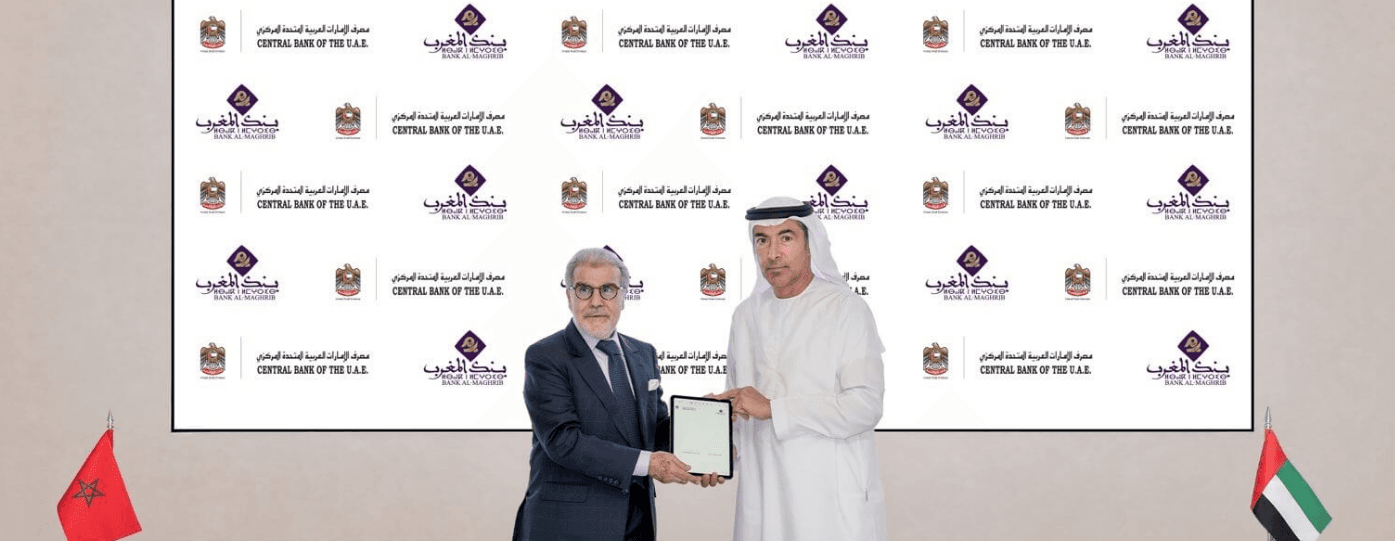
The central bank of the UAE released a consultation paper in October on the issuance of payment tokens, with stakeholders submitting feedback by November 8, 2023. While the final regulation is pending, it's essential to note that the insights provided here are based on a non-final document, and significant changes may occur based on stakeholder feedback.
The proposed regulations impose restrictions on Payment Token Services in the UAE, necessitating licensing or registration for individuals providing these services. Prohibited activities include issuing Algorithmic Stablecoins or Privacy Tokens. Conditions are set for Payment Token Transfers, with restrictions on Means of Payment acceptance by merchants and banks acting as Payment Token Issuers. The Central Bank can request evidence of compliance and excludes Financial Free Zones from these restrictions.
The law introduces a comprehensive framework for entities offering Payment Token Services. There are different categories of licenses, including one for those issuing tokens in the local currency (Dirham), foreign currencies, and those involved in the custody and transfer of tokens. Entities based outside the UAE, even in Financial Free Zones, can apply for specific registrations. Virtual Assets Exchange Platforms can seek approval for Payment Token Conversion.
The licensing procedure involves initial meetings with the Central Bank, consultations with home regulators, and detailed application submissions. Transparency and completeness of information are crucial, and the Central Bank maintains a public register of granted licenses. For those providing Payment Token Conversion services, the law sets specific requirements, and the Central Bank may apply additional provisions as needed. Foreign entities issuing payment tokens need to comply with certain articles of the law, ensuring financial stability and adherence to compliance standards.
The law empowers the Central Bank to suspend, withdraw, or revoke licenses or registrations, prioritizing statutory obligations, safeguarding the UAE's reputation, and protecting customer interests. In case of such actions, entities must cease providing Payment Token Services immediately.
The evolving regulatory landscape for stablecoins in the UAE, spearheaded by the Central Bank, signifies a pivotal step towards fostering a secure and innovative digital financial ecosystem. The comprehensive categorization of licenses, stringent conditions for payment token services, and the emphasis on transparent and complete information in the licensing process showcase a meticulous approach toward creating a resilient financial environment.
By empowering the Central Bank to suspend, withdraw, or revoke licenses based on statutory obligations and considerations of the UAE's reputation, customer interests are safeguarded. This regulatory diligence fosters a climate where businesses can thrive with confidence, and consumers can engage in digital financial services with trust.
In a rapidly advancing digital era, the UAE's commitment to embracing blockchain and stablecoin regulations positions the nation as a global leader in financial innovation. As the Central Bank moves toward finalizing these regulations, it sets a precedent for responsible and forward-thinking governance in the realm of stablecoins, contributing to the broader global dialogue on the future of digital finance.

Disclaimer of Warranty
The information provided in this article is for general informational purposes only. We make no warranties about the completeness, reliability, and accuracy of this information. Read full disclaimer

Editor's Picks
In the Same Space

Crypto Ads in the UAE Face New Google Rules Starting October 21

News Desk

Oct 20, 2026

4 min

3iQ Secures In-Principle ADGM Approval for UAE Expansion
News Desk
Oct 12, 2026
3 min
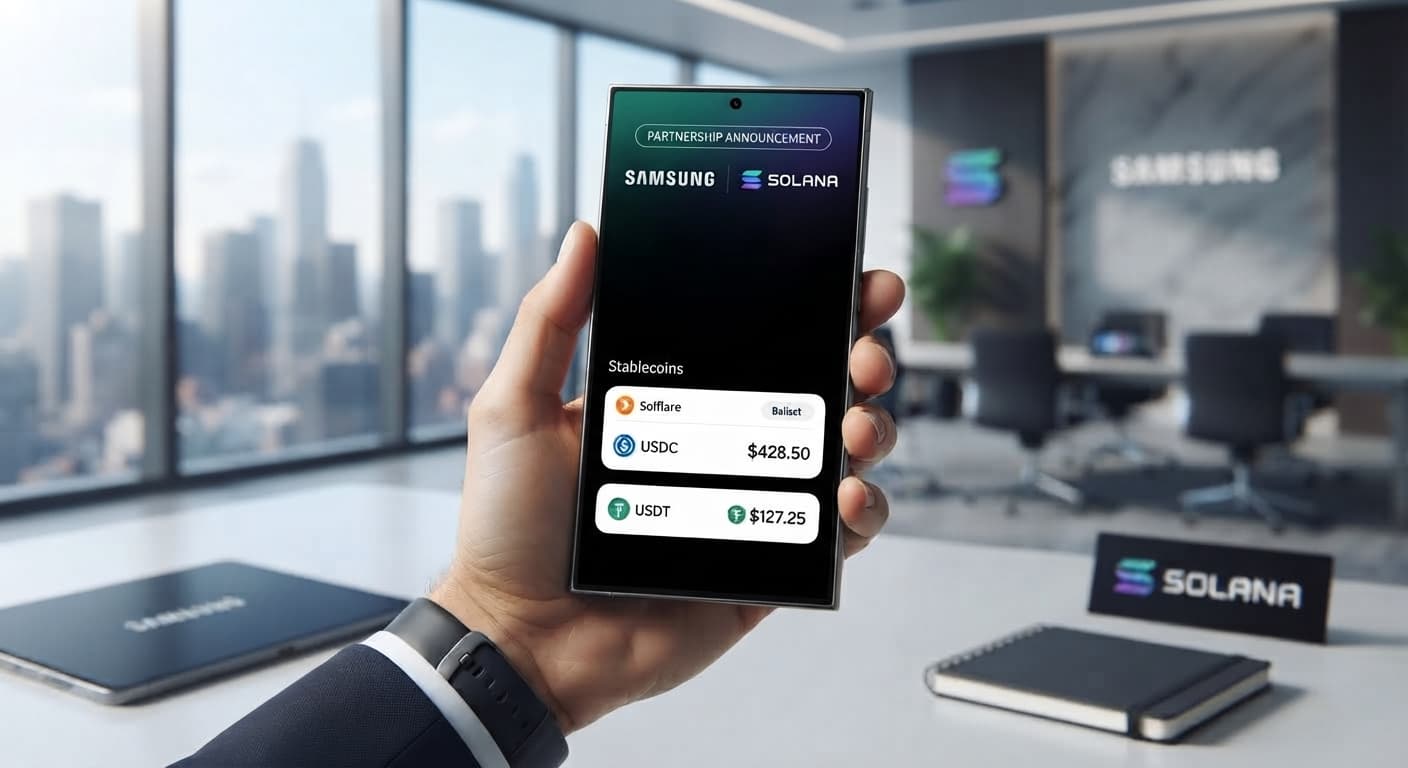
Samsung Brings USDC to 82M Galaxy Devices as Stablecoins Move Into Consumer Wallets
News Desk
Oct 8, 2026
5 min
Standard Chartered Extends Crypto Trading to UAE Wealth Clients
News Desk
Oct 14, 2026
3 min