
Advertisement
DeFi Infrastructure
Share
Are you new to cryptocurrency? Well, this is an industry that has grown rapidly over the past few years. Bitcoin has been the main subject when it comes to this topic, and rightly so. It’s the most common cryptocurrency and is already being used in many parts of the world. You can use it to buy products and services online, but not all stores accept it yet. Other countries, have in fact, banned the use of this digital currency within their boundaries.
Now that you already have an idea about this virtual currency, it’s time for you to take a look at Bitcoin wallets. What are they and how do they work? By definition, a Bitcoin wallet is a platform through which two parties can transact their digital currency.
Here is all you need to know about Bitcoin wallets:
They Don't Hold Bitcoins
Contrary to popular belief, Bitcoin wallets do not hold your Bitcoins in a traditional storage sense. What's stored in this type of wallet is basically a private key that corresponds to the Bitcoin address of your wallet. In fact, you don’t own whatever Bitcoin balance showed on your app. The balance you see in your wallet is simply the remaining value of Bitcoins you can still transact.
So, where are your virtual coins then? Well, all Bitcoins always exist in the blockchain, a system where all Bitcoin transaction records are maintained across a network of computers. Your purchased Bitcoins will always be safe as long as you store your private key well. According to CoinTippy.com, there are many Bitcoin wallets for Android you can try today. Other available types include online software, hardware, desktop, and paper wallets.
Bitcoin Wallets Have Two Keys
The concept of Bitcoin wallets revolves around private and public keys. Like a bank account, every Bitcoin wallet has a unique address that's used during transactions. It’s a string of numbers and letters that distinguishes one account from the other. Of course, anyone who’s an expert in this field can create one for themselves by generating private and public keys.
It’s important to note that these keys are generated through asymmetric cryptography. What this means is that they are mathematics linked to each other, and you can derive the public key from the private key. However, you cannot do the reverse (public to private), which is what makes the whole process very secure.
The public key becomes your wallet's address while your private key is the proof of ownership. Therefore, the security of your Bitcoins is largely dependent on how safe you store your private key.
Transactions Create The Identity Of Bitcoin Wallets
Your bank has a list of all accounts that exist in its platform. Therefore, your bank account is known to exist immediately after you create it. On the contrary, when you create a Bitcoin wallet, you're the only one that knows about it until you make the first transaction. Therefore, without any transaction, your wallet will only exist in your computer.
Offline Bitcoin Wallets Exist
Whenever Bitcoin wallets are mentioned, the first thing that comes to mind is an online software or a program connected to the Internet. Well, those are the most popular types of e-wallets available today. However, there are others that not many people know about, and they offer the same services. The difference is that offline Bitcoin wallets prioritize security over convenience. Since these are not consistently connected to the Internet, they’re not prone to hacking attacks.
Conclusion
Bitcoin wallets have been around for years now, but not many people know what they actually mean. These e-wallets store private and public keys that one uses during transactions. Once you create your Bitcoin wallet, you'll need to make a transaction before it can be seen by other people. You can choose to have an offline or online Bitcoin wallet. However, keep in mind that the latter prioritizes convenience over security.

Disclaimer of Warranty
The information provided in this article is for general informational purposes only. We make no warranties about the completeness, reliability, and accuracy of this information. Read full disclaimer

Editor's Picks
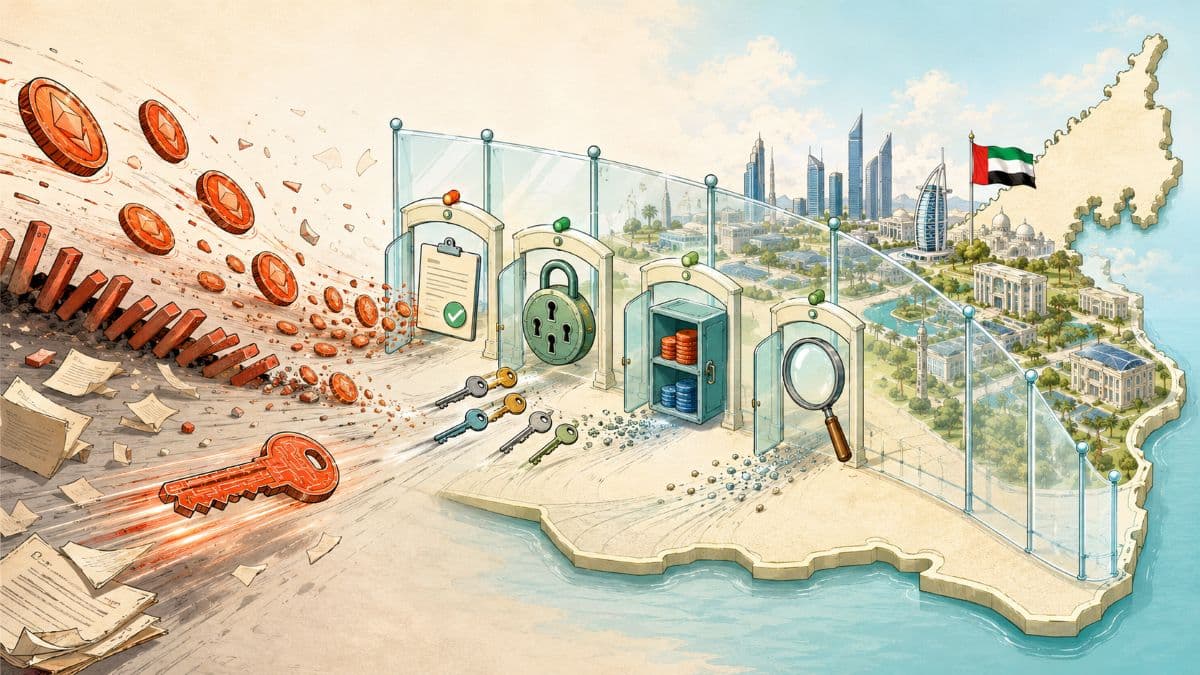
Why Zondacrypto’s Collapse Would Unfold Differently in the UAE

Walid Abou Zaki

Aug 28, 2026

8 min

The Missing Orchestration Layer Holding Back Institutional Digital Assets
Julian Sawyer
Aug 18, 2026
5 min

Beyond Crypto Access: How ARP Digital Is Building the UAE’s Digital Capital Infrastructure
Anna K.
Aug 17, 2026
8 min
Read More Articles

In the Same Space
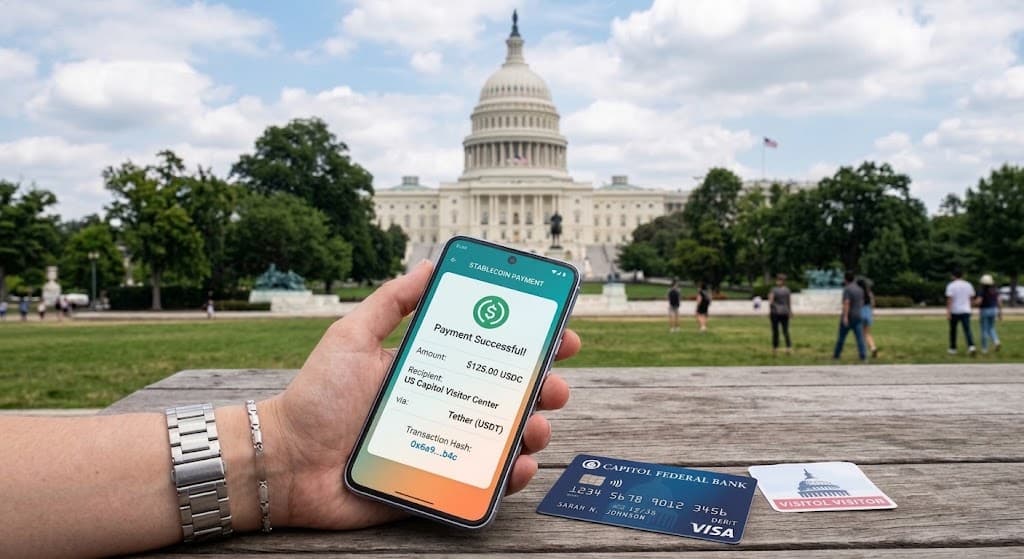
Final CLARITY Act Draft Puts Stablecoin Yield Under Treasury’s Watch
News Desk
Sep 15, 2026
4 min

EU Puts Crypto Wallets on 24-Hour Breach Clock as Revolut Data Leak Highlights Security Risks
News Desk
Sep 14, 2026
5 min
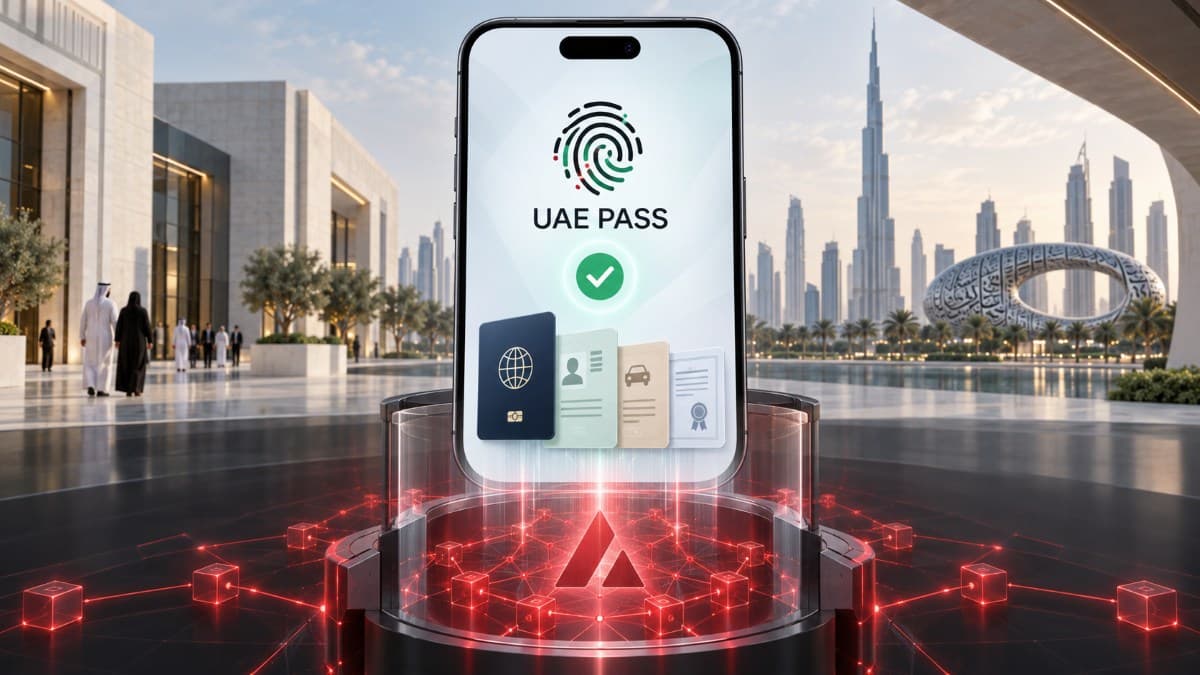
UAE PASS Digital Vault Set for Shift to Avalanche Infrastructure
Walid Abou Zaki
Sep 14, 2026
6 min

UK Weighs Exemption for Tokenized Gold as London Pushes Into Digital Markets
News Desk
Sep 14, 2026
6 min