
Advertisement
Web3 & Development
Share
The governor of Tennessee has signed a bill that legally recognizes blockchain data and smart contracts under state law.
The bill states "As introduced, recognizes the legal authority to use blockchain technology and smart contracts in conducting electronic transactions; protects ownership rights of certain information secured by blockchain technology."
Under the new legislation, “A signature that is secured through blockchain technology is considered to be in an electronic form and to be an electronic signature,” while “A record or contract that is secured through blockchain technology is considered to be in an electronic form and to be an electronic record.”
According to data from LegiScan, since its introduction in January, the bill has been passed unanimously in both chambers of Tennessee’s legislature.
The law also recognizes the legal power of smart contracts as "no contract relating to a transaction shall be denied legal effect, validity, or enforceability solely because that contract contains a smart contract term."

Disclaimer of Warranty
The information provided in this article is for general informational purposes only. We make no warranties about the completeness, reliability, and accuracy of this information. Read full disclaimer

Editor's Picks
In the Same Space

U.S. House Unveils Crypto Tax Bill Ahead of Key Markup

News Desk

Sep 15, 2026

4 min

KelpDAO Files Suit Against LayerZero Over 2026’s Largest Exploit
News Desk
Sep 25, 2026
6 min
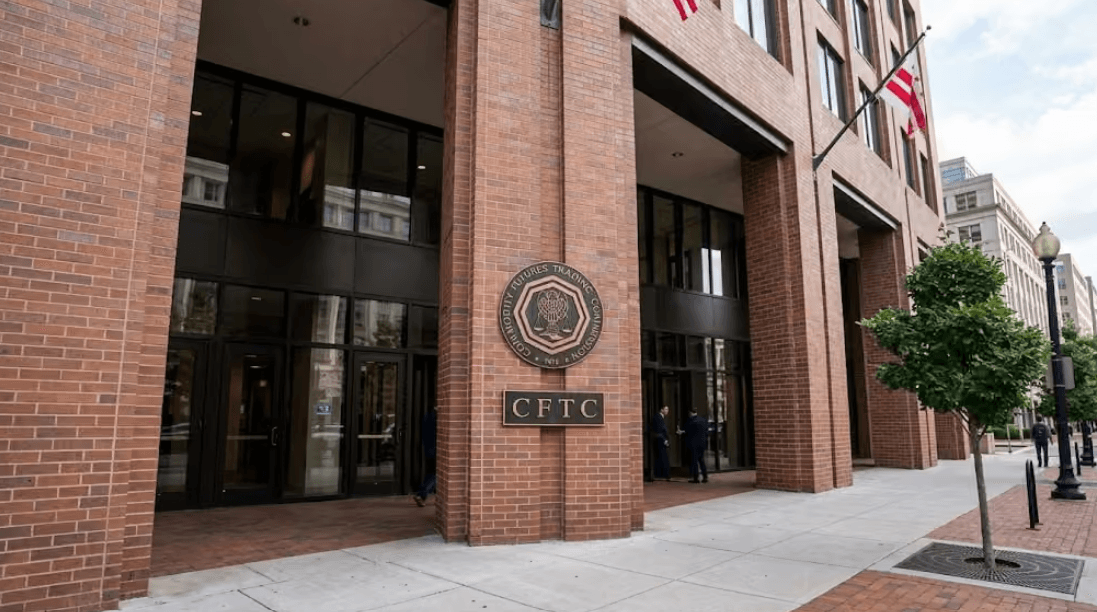
CFTC Updates Tokenized Asset and Blockchain Rules as Crypto Bill Stalls
News Desk
Sep 25, 2026
5 min

EBA Urges EU to Regulate Crypto Lending and DeFi Under MiCA
News Desk
Sep 25, 2026
4 min