Advertisement
Stablecoins & Payments
Share
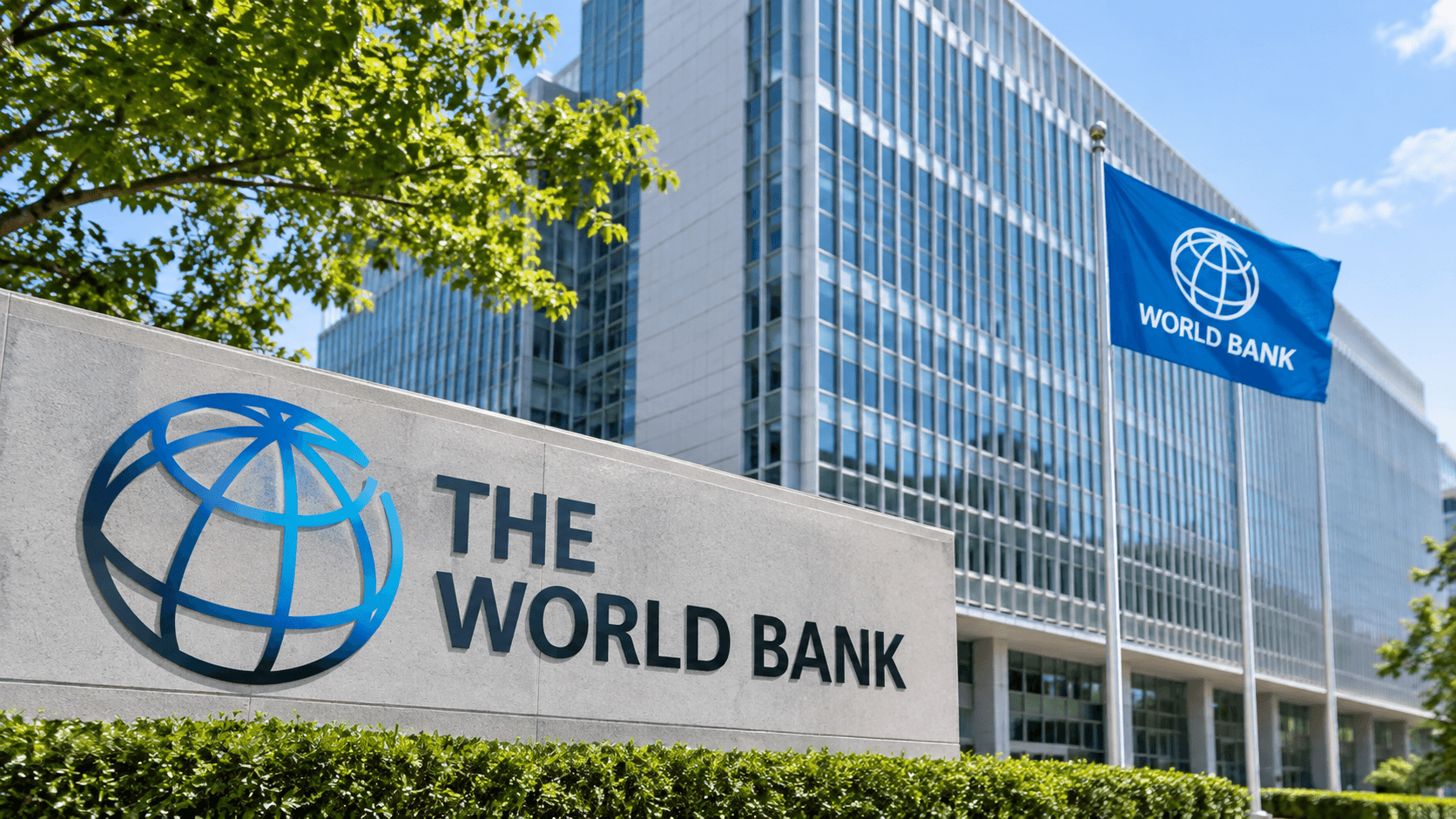
The World Bank Group, Citi, and Circle are exploring USDC-based payment rails to make development fund disbursements faster, cheaper, and more transparent, building on the World Bank's existing FundsChain blockchain platform.
The World Bank Group is exploring the use of regulated stablecoins to improve how it distributes development funding worldwide, partnering with Citi and Circle Internet Group to examine blockchain-based payment infrastructure alongside traditional banking channels.
Announced on November 17, the initiative will assess how US dollar-denominated stablecoins and blockchain payment rails could make fund disbursements faster, less expensive and more transparent.
Under the proposed arrangement, Citi will contribute its connections to established banking networks, while Circle will provide the infrastructure to mint and settle funds using USDC.
The initiative is intended to complement or improve existing disbursement arrangements that rely on correspondent banking, rather than immediately replace traditional financial infrastructure.
The exploration builds on FundsChain, an existing World Bank Group blockchain platform designed to improve the traceability of development fund disbursements.
More than 350 projects across 96 countries are already onboarded to FundsChain’s digital ledgers, allowing participating parties to monitor how funding is used throughout individual investment projects.
The new initiative would extend this infrastructure by examining whether regulated stablecoins could improve the movement and settlement of funds, in addition to providing greater visibility into their distribution.
World Bank Group President Ajay Banga said the initiative aims to improve the financial infrastructure supporting development finance, noting that faster and less expensive money movement could help ensure resources reach projects and communities when they are needed.
The partnership brings together two different components of the financial system.
Citi will connect the initiative to established banking infrastructure, while Circle’s stablecoin payment infrastructure will facilitate the minting and settlement of USDC.
The initial exploration will focus on an intermediated and interoperable payment model, involving borrower countries where digital assets are supported and legally permitted.
The World Bank Group has not yet identified participating countries, announced transaction volumes or provided a timeline for implementation. The initiative also remains at the exploratory stage.
The development adds to Citi’s expanding involvement in blockchain-based payments. The bank has previously partnered with Coinbase to integrate stablecoin payment capabilities into corporate payment flows, as covered in Unlock Blockchain’s report, Citi and Coinbase Put Stablecoins Behind Corporate Payments.
Circle, meanwhile, has continued expanding its institutional infrastructure through partnerships with established financial institutions, including Standard Chartered, which introduced integrated USDC minting and redemption services for institutional clients.
The World Bank initiative comes as traditional financial institutions increasingly explore stablecoins and tokenized money for international payments, settlement and liquidity management.
Citi is also among the financial institutions participating in Project Faro, a proposed stablecoin venture backed by 21 institutions that have committed approximately $270 million toward its development.
Unlock Blockchain previously examined the initiative in Wall Street Puts $270M Behind a New Stablecoin.
The World Bank’s exploration introduces another potential application for the technology: supporting the distribution of international development funding.
Unlike conventional stablecoin payment initiatives focused on businesses or financial institutions, this project examines how blockchain-based settlement could support the movement of resources intended for infrastructure, public services and economic development.
For now, the initiative remains an exploration rather than an operational deployment. Its eventual impact will depend on whether the proposed infrastructure can deliver measurable improvements in cost, settlement speed, interoperability and transparency while meeting the regulatory requirements of participating countries.

Disclaimer of Warranty
The information provided in this article is for general informational purposes only. We make no warranties about the completeness, reliability, and accuracy of this information. Read full disclaimer

Editor's Picks
In the Same Space
Toss Brings Crypto to 30 Million Users as Its Bank Tests Stablecoin Transfers

News Desk

Nov 16, 2026

4 min

Wall Street Puts $270M Behind a New Stablecoin
News Desk
Nov 11, 2026
5 min

Stablecoin Market Loses $12B as Binance Faces Fresh Scrutiny
Salma Naueihed
Nov 17, 2026
5 min
Deutsche Bank Activates Crypto Custody
News Desk
Nov 12, 2026
4 min