Advertisement
Tokenization & RWA
Share
A mystery-funded Wall Street Journal ad urging CEOs to reject third-party tokenized stock trading has drawn a counter-ad from Securitize, while 33 companies—including JPMorgan, Coca-Cola, and AMD—have now opted out of the OKX–ICE tokenized securities venue.
A dispute over tokenized stock trading has spilled into the pages of The Wall Street Journal, with an unidentified funding source behind an advertisement warning corporate executives against allowing their shares to be traded on blockchain-based platforms. Tokenization firm Securitize has responded with its own full-page advertisement defending regulated tokenized securities, as opposition to a proposed trading venue operated by OKX and Intercontinental Exchange (ICE) continues to grow.
The original advertisement, published in the newspaper's weekend edition, urged company executives to opt out of third-party tokenized stock trading, warning of potential price distortions, obscured ownership, market manipulation and cybertheft. It also called on companies to act within a 30-day window.
The advertisement was paid for by Common Sense Leadership Fund, a Virginia-based nonprofit organized under Section 501(c)(4) of the US tax code. However, the organization has not publicly identified the ultimate source of the campaign's funding.
According to CoinDesk, the advertisement's QR code directed readers to a Nasdaq FAQ explaining the exchange operator's decision to reject the inclusion of its shares on third-party tokenized securities venues. Nasdaq said it had no connection to the advertisement and had neither funded the campaign nor authorized the use of its materials.
Securitize responded with a full-page advertisement of its own, declaring that tokenization can operate within existing securities regulations. The company argued that properly structured tokenized securities can preserve investor protections and shareholder rights rather than bypass traditional market safeguards.
The firm's model centers on tokens backed one-for-one by actual shares, with voting and dividend rights, transfers restricted to verified investors, and trading through venues that comply with applicable securities regulations.
Securitize CEO Carlos Domingo also challenged the original advertisement's message on social media, arguing that it conflated different types of tokenized products and trading arrangements.
The distinction is important because tokenized securities can take different legal and operational forms. Some represent actual shares held in custody, while other products provide synthetic or contractual exposure to a stock without conferring direct ownership of the underlying security.
The risks and investor rights associated with these structures can differ substantially, making it necessary to assess each model separately.
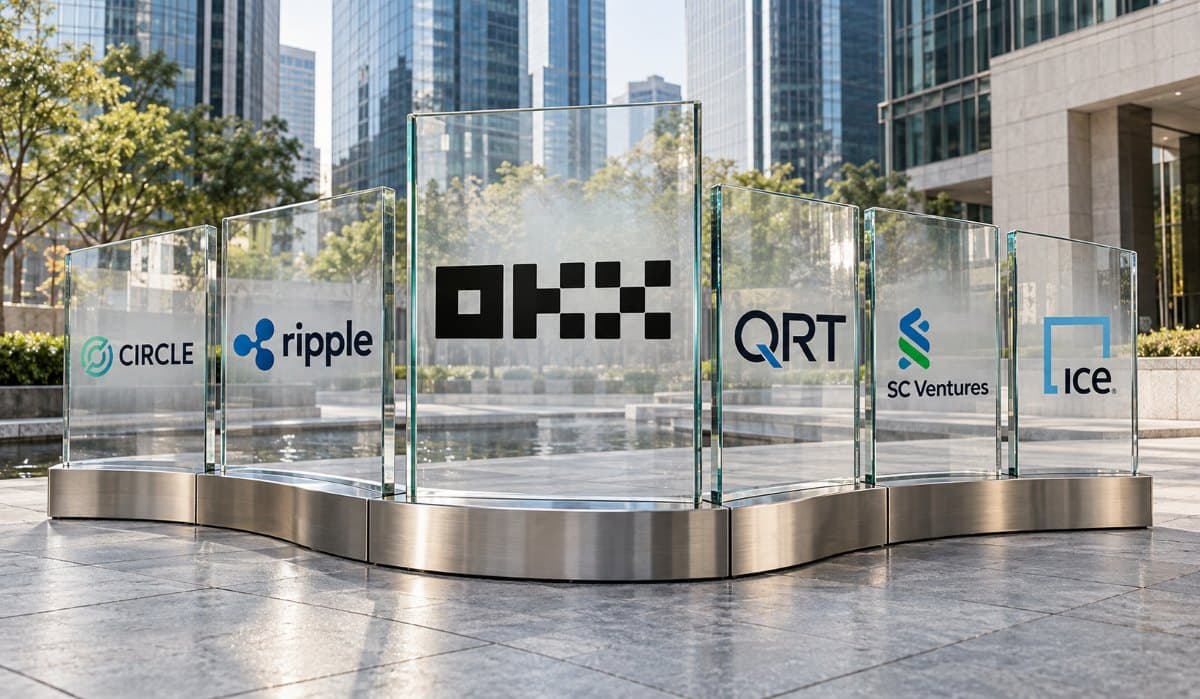
The advertising dispute comes as major US companies push back against the planned tokenized securities trading venue developed by OKX and ICE, the parent company of the New York Stock Exchange.
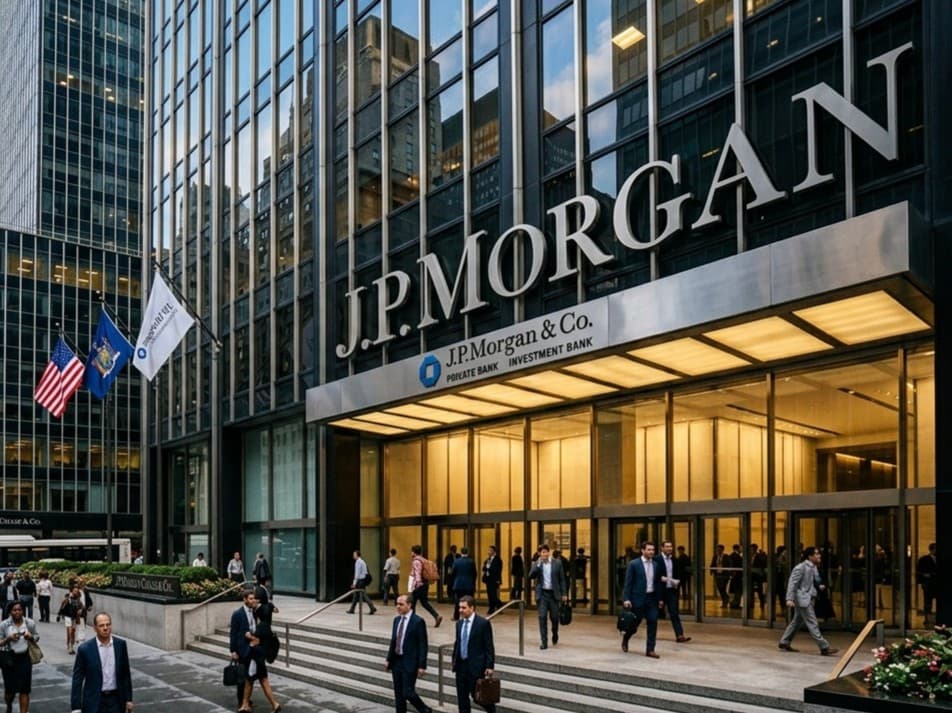
JPMorgan Chase, Advanced Micro Devices (AMD), Coca-Cola, Applied Materials, Adobe, Dell Technologies and Sandisk were among seven companies newly identified as objecting to the proposed venue in a regulatory filing dated October 27.
Their objections brought the disclosed number of companies opting out of the OKX–ICE venue to 33. Of the 62 US-listed companies initially proposed for trading, 30 had objected, representing approximately 48% of the original list, according to CoinDesk's tally.
JPMorgan said it remained interested in tokenization despite declining to participate in the venue at this stage. The bank said it wanted to consider carefully how its shares would be represented and traded as the market developed.
The objections therefore do not necessarily indicate that these companies reject tokenization altogether. Instead, they highlight concerns about allowing third-party platforms to tokenize and trade their shares under a market structure they do not control.
The OKX–ICE proposal follows the US Securities and Exchange Commission's introduction of a temporary five-year innovation exemption that allows qualifying trading venues to offer tokenized stocks under specified conditions.
Under the framework described in the regulatory filings, a venue must notify a company before including its shares. The company then has 30 days after receiving the notice to object. If it does not object within that period, the venue may proceed subject to the applicable regulatory conditions.
The proposed OKX–ICE venue plans to support round-the-clock trading using automated market-maker liquidity pools on OKX's XLayer blockchain, with transactions settled in stablecoins.
Critics have raised concerns that a separate trading environment could fragment liquidity, complicate price discovery and weaken the consistency of investor protections across different venues. Issuers have also questioned how tokenized shares would affect shareholder identification, corporate actions and the exercise of voting rights.
Nasdaq has separately argued for an issuer-focused approach that would integrate tokenized securities into existing market infrastructure rather than allow them to trade in a separate market structure.
These concerns echo issues examined in Unlock Blockchain's earlier coverage, The U.S. Is Building Tokenized Stock Infrastructure. The Rules Need to Catch Up, which explored the regulatory questions surrounding ownership, shareholder rights and the coexistence of different tokenized versions of the same equity.
The competing advertisements reflect a broader disagreement over how traditional equities should move onto blockchain networks, rather than a simple divide between supporters and opponents of the technology.
Tokenization advocates argue that blockchain infrastructure can enable extended trading hours, faster settlement and broader access to financial assets. However, those potential benefits depend on how the tokens are structured, how transactions are supervised, and whether investors retain the rights associated with the underlying securities.
The growing number of companies opting out of the OKX–ICE proposal also raises questions about how third-party platforms should handle issuer notification and consent, particularly when companies have limited time to evaluate an unfamiliar trading model.
For now, the dispute highlights a central challenge for tokenized equity markets: establishing a structure that supports blockchain-based trading while addressing issuers' concerns over control, shareholder rights, market transparency and investor protection.
As more platforms seek to bring traditional shares onchain, the distinction between tokenization itself and the specific legal and trading arrangements used to implement it is likely to remain central to the debate.

Disclaimer of Warranty
The information provided in this article is for general informational purposes only. We make no warranties about the completeness, reliability, and accuracy of this information. Read full disclaimer

Editor's Picks
In the Same Space

Börse Stuttgart Secures DLT License for Seturion Settlement Platform

News Desk

Oct 21, 2026

3 min
Tokenized Stocks Hit a Wall as Corporate Resistance Grows, What's Happening?
News Desk
Oct 19, 2026
5 min
BNB Standard Plans Validator Beyond BNB Treasury
News Desk
Oct 28, 2026
3 min
BNY Adds XRP and RLUSD Custody as Ripple Targets Trade Finance
News Desk
Oct 28, 2026
4 min