Advertisement
Policy & Industry
Share
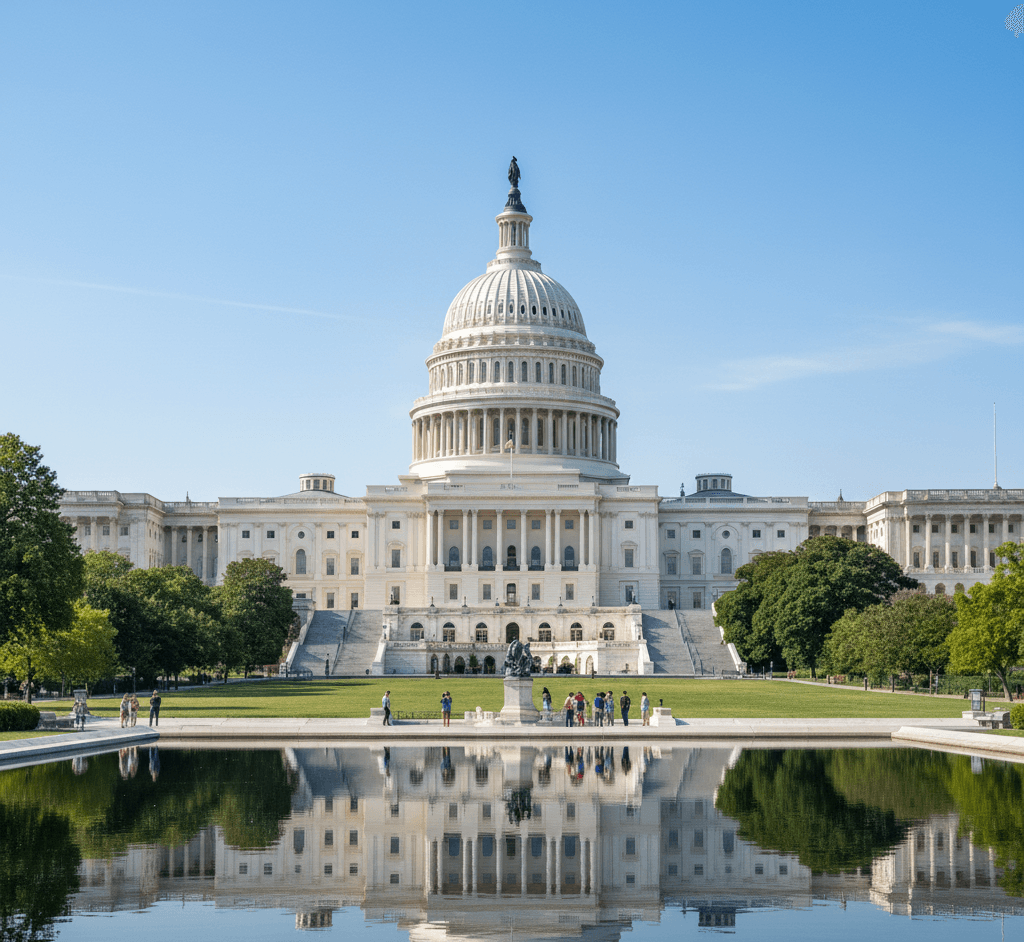
The United States Senate has approved new legislation that would prevent the Federal Reserve from issuing or developing a Central Bank Digital Currency (CBDC) until at least the end of 2030. The proposal was incorporated into the broader 21st Century ROAD to Housing Act, which passed the Senate with a strong bipartisan vote of 85–5.
Under this provision, both the Federal Reserve Board and regional Federal Reserve Banks would be prohibited from creating, launching, or indirectly supporting any form of CBDC. The restriction also extends to any digital asset that closely resembles a government-issued digital version of the US dollar.
The language of the bill specifically targets a potential retail digital dollar that could be issued or facilitated directly by the Federal Reserve. However, it does not appear to affect privately issued stablecoins or wholesale digital settlement systems used between financial institutions.
Supporters of the measure argue that a central bank-issued digital currency could raise serious concerns regarding financial privacy, particularly in relation to government access to sensitive transaction data. As a result, the legislation aims to place clear limits on the Federal Reserve’s authority for a defined period.
In addition to the temporary ban, the legislation states that the Federal Reserve would not be allowed to pursue a CBDC beyond 2030 unless it receives explicit authorization from Congress.
This effectively ensures that any future decision regarding a US digital dollar will remain under direct legislative control, reinforcing the role of elected lawmakers in shaping national monetary policy in the digital era.
Interestingly, the CBDC restriction was included within a wider housing supply bill that received support from both Democratic and Republican lawmakers. The overall package was advanced by Senators Tim Scott and Elizabeth Warren, highlighting rare bipartisan alignment on the broader legislation.
Meanwhile, House Financial Services Committee Chairman French Hill has expressed support for moving the bill forward quickly, indicating that the House of Representatives is likely to give serious consideration to the Senate-approved version, including its CBDC-related provisions.
From a market perspective, the Senate’s decision helps reduce one major source of regulatory uncertainty surrounding the potential introduction of a Federal Reserve digital dollar. By delaying and restricting CBDC development, policymakers have effectively clarified the near-term direction of US monetary experimentation in the digital space.
At the same time, the legislation does not impact Bitcoin, stablecoins, or privately issued digital payment systems, which continue to operate outside the scope of the ban. As a result, the future of digital currency innovation in the United States remains primarily driven by private-sector development rather than central bank issuance.
This legislative move reflects a cautious but deliberate approach by US lawmakers toward central bank digital currency development. Rather than fully rejecting the concept, the Senate has opted to impose a time-bound restriction that effectively pauses progress while maintaining congressional oversight for any future decision.
This approach suggests a broader policy tension between innovation and financial privacy concerns, with lawmakers prioritizing control and oversight over rapid adoption of state-backed digital currencies. In the wider context, it also reinforces the idea that the US may continue to rely on private stablecoin ecosystems and existing financial infrastructure rather than pursuing an immediate transition toward a Federal Reserve-issued digital dollar.

Disclaimer of Warranty
The information provided in this article is for general informational purposes only. We make no warranties about the completeness, reliability, and accuracy of this information. Read full disclaimer

Editor's Picks

As U.S. Crypto Legislation Stalls, Circle Launches Its Own Financial Network

Walid Abou Zaki

Sep 16, 2026

9 min

Stablecoin Yield Fight Helps Derail CLARITY Act in Senate
Walid Abou Zaki
Sep 15, 2026
8 min

Why Zondacrypto’s Collapse Would Unfold Differently in the UAE
Walid Abou Zaki
Aug 28, 2026
8 min
Read More Articles

In the Same Space

Digital Euro Enters Real-World Testing as ECB Calls on Merchants
News Desk
Sep 16, 2026
5 min
U.S. House Unveils Crypto Tax Bill Ahead of Key Markup
News Desk
Sep 15, 2026
4 min
Final CLARITY Act Draft Puts Stablecoin Yield Under Treasury’s Watch
News Desk
Sep 15, 2026
4 min

Oman Tightens Crypto Mining Rules, Warns Equipment Suppliers
News Desk
Sep 14, 2026
2 min