Advertisement
Regulation & Policy
Share
In 2024, Singapore made major moves in solidifying its position as a global hub for digital assets, surpassing its competitor, Hong Kong, which has faced challenges in making similar progress.
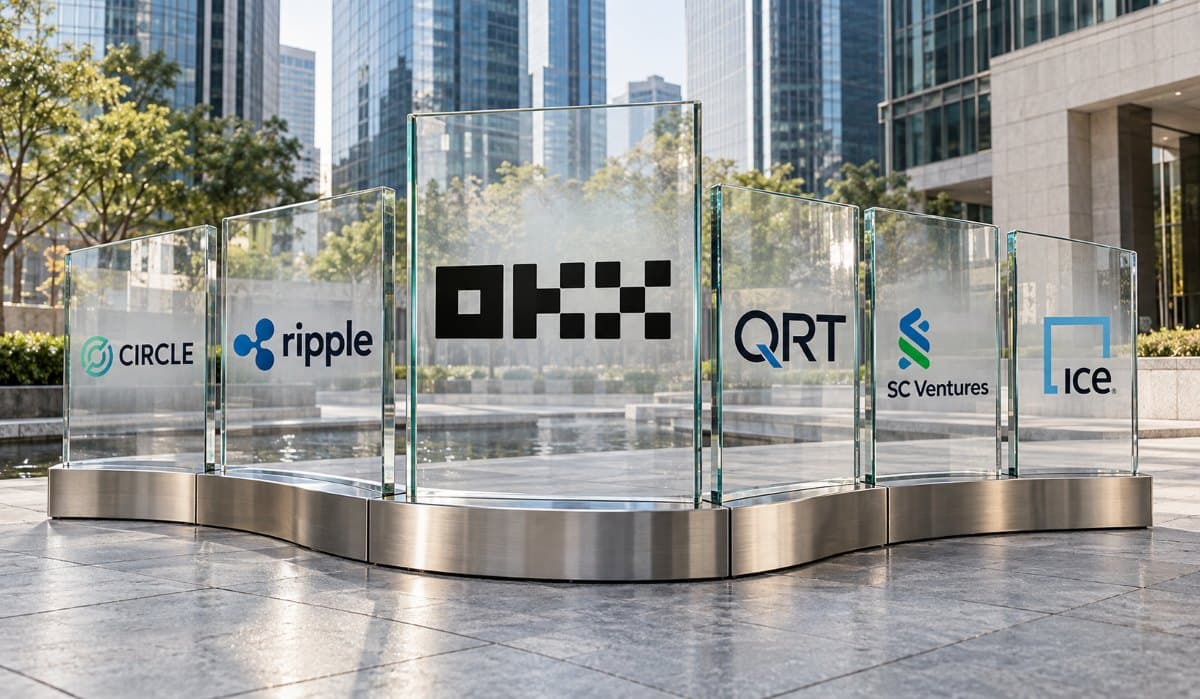
This ambition was reflected in Singapore granting 13 new licenses to digital asset companies, including major players like OKX, Upbit, and global leaders such as Anchorage, BitGo, and GSR. This marks a substantial increase from the previous year, highlighting Singapore's commitment to fostering the growth of the digital asset sector.
In contrast, Hong Kong’s regulatory framework for digital assets has faced difficulties in achieving the same level of advancement, impacting its attractiveness as a financial center for digital assets. Both cities are vying to attract digital asset firms by offering favorable regulatory environments and enticing incentives.
While both authorities view the digital asset sector as a unique opportunity to enhance their status as global financial hubs, their efforts have so far yielded varying results.
Angela Ang, a senior political consultant at TRM Labs, explained that Hong Kong’s regulatory framework imposes stricter requirements compared to Singapore, particularly regarding the custody of client assets and the listing and delisting of digital assets. "This has likely shifted the balance in favor of Singapore as an attractive hub for companies in the digital asset space," she said.
Despite Hong Kong's regulatory authority announcing plans to expedite the licensing process for crypto exchanges, approvals have been slower than anticipated. To date, Hong Kong has granted full operating licenses to seven exchanges, with some restrictions placed on four of them, and issued seven temporary licenses. In contrast, prominent exchanges like OKX and Bybit have withdrawn their applications for licenses in Hong Kong.
Additionally, Hong Kong imposes strict limitations on the types of digital assets that can be traded, allowing only highly liquid cryptocurrencies such as Bitcoin and Ethereum, which restricts investors' ability to trade high-volatility altcoins.
Roger Lee, co-founder of "One Satoshi," a Hong Kong-based business offering over-the-counter crypto-to-cash services, remarked that "the licensing standards in Hong Kong are extremely high, making it difficult to turn a profit."
Another factor driving digital asset companies to expand in Asia is the ban on cryptocurrency trading in China. David Rogers, regional CEO of "B2C2," which applied for a license in Singapore, pointed out that Hong Kong's regulatory environment stands apart from other countries due to the higher level of risk involved. He described Singapore's regulatory framework as "safe and sustainable in the long term," making it the ideal choice for companies looking to establish a regional hub. Rogers emphasized that his company takes a risk-focused approach to its operations.
As Singapore continues to attract digital asset companies with its favorable regulatory landscape, Hong Kong faces the challenge of adapting its framework to remain competitive in the global digital asset market.

Disclaimer of Warranty
The information provided in this article is for general informational purposes only. We make no warranties about the completeness, reliability, and accuracy of this information. Read full disclaimer

Editor's Picks
In the Same Space

South Korea’s Digital Asset Bill Nears Final Talks as 2027 Crypto Tax Looms

News Desk

Oct 22, 2026

3 min
Robinhood Plans Dubai Launch in 2027 After DFSA Authorization
Walid Abou Zaki
Oct 22, 2026
4 min
OCC Finalizes GENIUS Act Rules for Stablecoin Issuers
News Desk
Oct 21, 2026
3 min
Coinbase Among Six Platforms Facing Kazakhstan AIFC Restrictions
News Desk
Oct 21, 2026
3 min