Advertisement
Regulation & Policy
Share
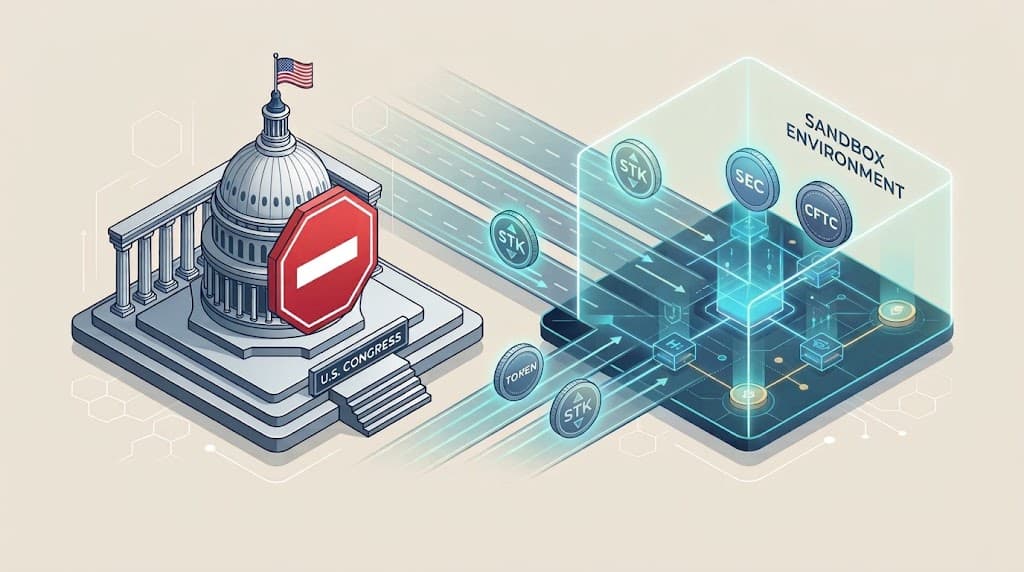
The U.S. Securities and Exchange Commission (SEC) is preparing to introduce an “innovation exemption” that could reshape the regulatory landscape for crypto, blockchain, and fintech startups. The exemption, expected before the end of the year, aims to replace years of what industry players call “regulation by enforcement” with a structured framework that encourages innovation under formal supervision.
Speaking at the Futures & Derivatives Law Report event hosted by Katten Muchin Rosenman LLP, SEC Chair Paul Atkins said the crypto sector had endured “at least four years of repression,” which pushed innovation abroad. He highlighted that the new framework is intended to bring experimentation back to U.S. soil while allowing regulators to observe developments in real-time.
Atkins previously directed SEC staff in June to explore a conditional exemptive relief framework, or “innovation exemption,” giving decentralized projects temporary, supervised conditions to test their models. Last month, he confirmed the SEC is moving forward with plans to finalize the proposal by year-end.
The innovation exemption is designed to allow DeFi platforms, tokenization projects, and payment solutions to experiment without spending millions on legal battles. “It gives regulators a front-row seat to see how this stuff actually works,” said Wendy Fu, CEO of Sui-based DEX Momentum Finance, while warning that rules must be tailored to crypto systems or risk becoming “regulatory theater.”
Industry leaders see this as a landmark step toward regulatory clarity. “Crypto projects have faced uncertainty for years because there was no defined path to experiment under oversight,” said Jakob Kronbichler, CEO of Clearpool. He emphasized that a formal exemption signals that “innovation can coexist with investor protection” and is vital for U.S. competitiveness.
Kronbichler added that the initiative could lower barriers to responsible experimentation, helping compliant-minded firms that previously relocated overseas due to unclear rules. If executed well, the framework could “bring real innovation back onshore” and foster international collaboration on regulatory standards.
For years, crypto firms in the U.S. have struggled with unclear rules and retroactive enforcement. The SEC’s proposed innovation exemption could finally provide a structured pathway for startups to test blockchain applications, decentralized finance (DeFi) products, and tokenized assets under regulatory supervision.
If finalized, the move would not only encourage domestic innovation but also strengthen the U.S.’s role in setting global standards for digital assets.

Disclaimer of Warranty
The information provided in this article is for general informational purposes only. We make no warranties about the completeness, reliability, and accuracy of this information. Read full disclaimer

Editor's Picks
In the Same Space

EU Puts Crypto Wallets on 24-Hour Breach Clock as Revolut Data Leak Highlights Security Risks

News Desk

Sep 14, 2026

5 min
Stablecoin Yield Fight Helps Derail CLARITY Act in Senate
Walid Abou Zaki
Sep 15, 2026
8 min

Kalshi's Bid for Non-Stop Stock Perpetuals Reignites CFTC-SEC Turf War
News Desk
Sep 11, 2026
8 min

SEC Seeks to Allow Blockchain as Official Ledger for Tokenized Securities
News Desk
Sep 11, 2026
7 min