Advertisement
Regulation & Policy
Share
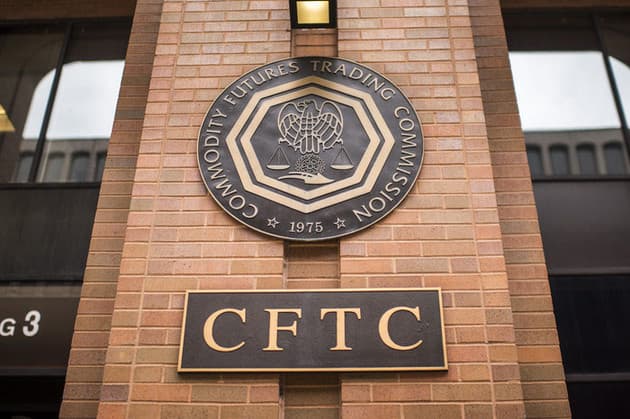
The U.S. Commodity Futures Trading Commission (CFTC) has filed a lawsuit against the state of Wisconsin, escalating its campaign to defend federal oversight of prediction markets after Wisconsin targeted platforms including Kalshi, Polymarket, Crypto.com, Robinhood, and Coinbase.
The case marks the latest clash between federal regulators and state authorities over whether event-based trading contracts should be treated as financial derivatives or unlawful gambling products under state law.
Wisconsin last week sued Kalshi, Coinbase, Polymarket, Robinhood, and Crypto.com, alleging the firms were operating unlicensed gambling businesses within the state. The action mirrored similar enforcement efforts launched by other U.S. states against companies offering prediction market products tied to elections, sports, and other real-world events.
CFTC Chairman Mike Selig, who currently leads the agency as its sole commissioner, has argued that the regulator holds exclusive jurisdiction over event contracts when structured as derivatives. According to the filing in the U.S. District Court for the Eastern District of Wisconsin, the agency is seeking to block state interference with federally regulated markets.
“If you interfere with the operation of federal law in regulating financial markets, we will sue you,” Selig said, underscoring the CFTC’s increasingly aggressive legal strategy.

New York Attorney General Sues Coinbase and Gemini Over “Illegal” Prediction Markets
3 minWisconsin joins a widening list of states now facing CFTC legal action, including New York, Arizona, Illinois, and Connecticut.
The broader dispute reflects a fast-emerging regulatory question: whether prediction markets fall under commodities and derivatives law, or whether states can regulate them as gambling activity.
Last week, New York sued Coinbase and Gemini over their prediction market offerings, claiming the contracts violated state gambling laws. Days later, the CFTC responded with its own lawsuit against the state.
Arizona has also pursued criminal proceedings against Kalshi, though a judge recently paused the case, indicating the CFTC may ultimately prevail on arguments that federal law preempts conflicting state gambling statutes.
The outcome of these cases could shape the future of prediction markets in the United States, particularly as crypto exchanges and fintech platforms increasingly enter the sector.
For digital asset firms such as Coinbase and Crypto.com, the legal clarity could determine whether prediction markets become a scalable new revenue segment or remain subject to fragmented state-level enforcement.

Disclaimer of Warranty
The information provided in this article is for general informational purposes only. We make no warranties about the completeness, reliability, and accuracy of this information. Read full disclaimer

Editor's Picks
In the Same Space

VARA Grants Bybit License for Spot Trading in Dubai

Walid Abou Zaki

Oct 22, 2026

6 min

South Korea Plans Forex Law Change to Cover Stablecoins
News Desk
Oct 23, 2026
3 min

South Korea’s Digital Asset Bill Nears Final Talks as 2027 Crypto Tax Looms
News Desk
Oct 22, 2026
3 min

Robinhood Plans Dubai Launch in 2027 After DFSA Authorization
Walid Abou Zaki
Oct 22, 2026
4 min